
脑动静脉畸形相关的微小RNA:靶基因表达谱的机器学习算法
Brain AVMs-Related microRNAs: Machine Learning Algorithm for Expression Profiles of Target Genes.
作者信息
Giotta Lucifero Alice, Luzzi Sabino
机构信息
Neurosurgery Unit, Department of Clinical-Surgical, Diagnostic and Pediatric Sciences, University of Pavia, 27100 Pavia, Italy.
Neurosurgery Unit, Department of Surgical Sciences, Fondazione IRCCS Policlinico San Matteo, 27100 Pavia, Italy.
出版信息
Brain Sci. 2022 Nov 28;12(12):1628. doi: 10.3390/brainsci12121628.
INTRODUCTION
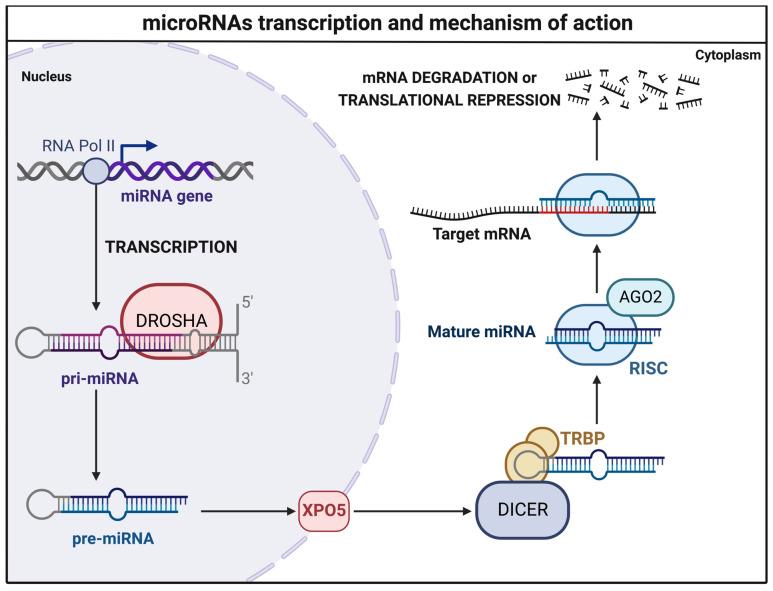
microRNAs (miRNAs) are a class of non-coding RNAs playing a myriad of important roles in regulating gene expression. Of note, recent work demonstrated a critical role of miRNAs in the genesis and progression of brain arteriovenous malformations (bAVMs). Accordingly, here we examine miRNA signatures related to bAVMs and associated gene expression. In so doing we expound on the potential prognostic, diagnostic, and therapeutic significance of miRNAs in the clinical management of bAVMs.
METHODS
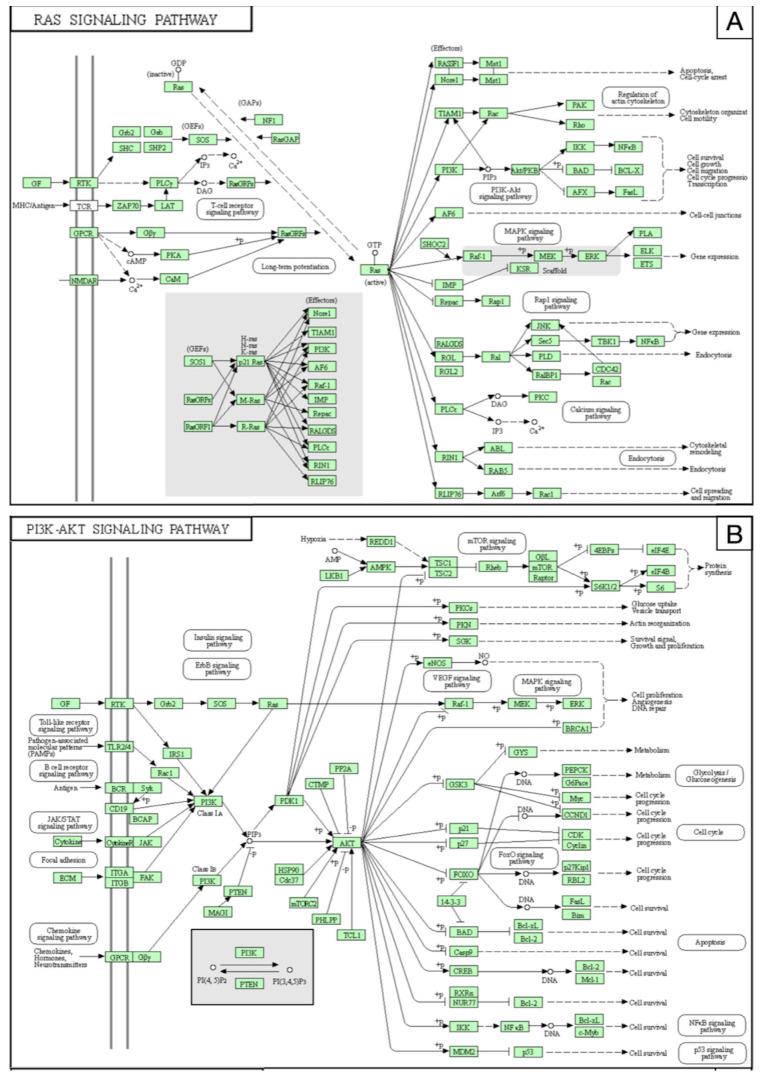
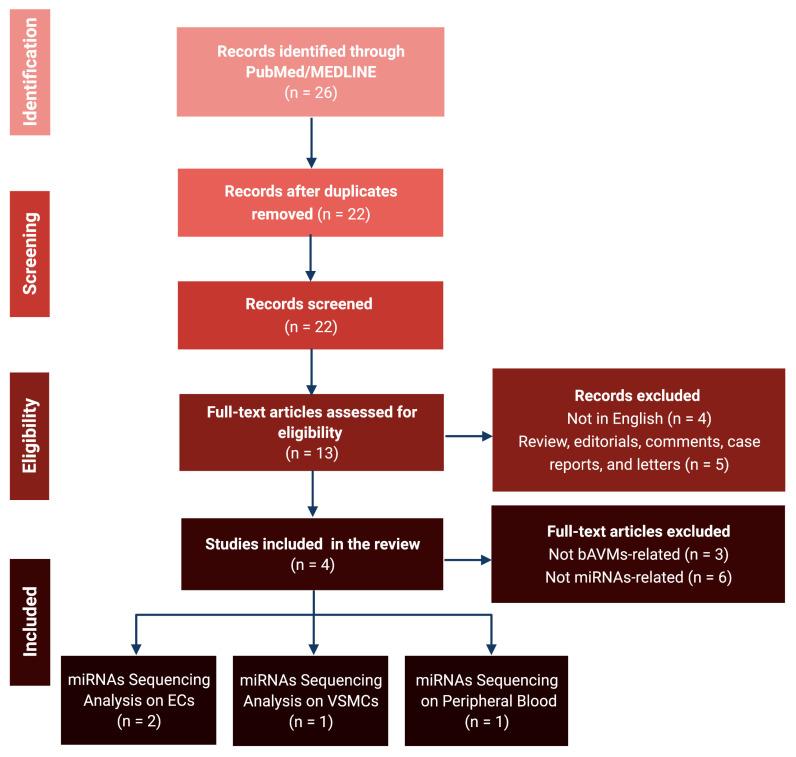
A PRISMA-based literature review was performed using PubMed/Medline database with the following search terms: "brain arteriovenous malformations", "cerebral arteriovenous malformations", "microRNA", and "miRNA". All preclinical and clinical studies written in English, regardless of date, were selected. For our bioinformatic analyses, miRWalk and miRTarBase machine learning algorithms were employed; the Kyoto Encyclopedia of Genes and Genomes (KEGG) database was quired for associated pathways/functions.
RESULTS
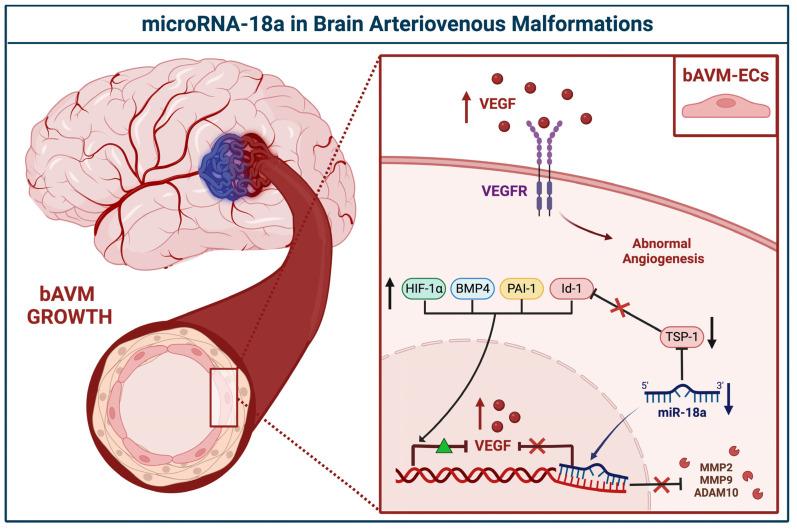
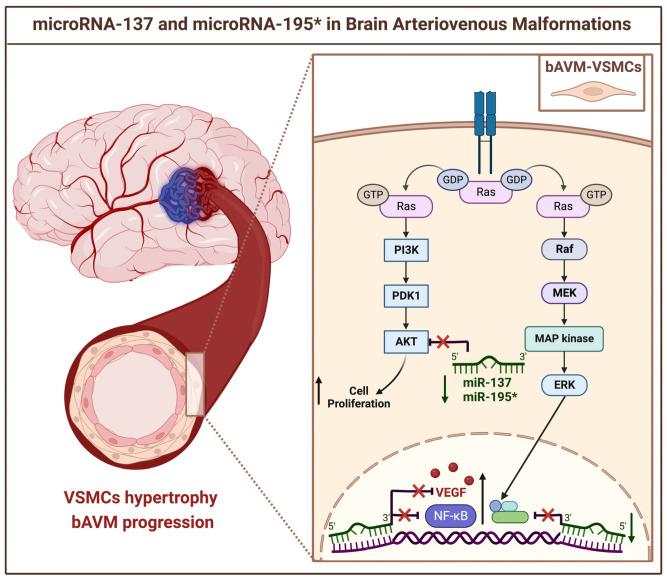
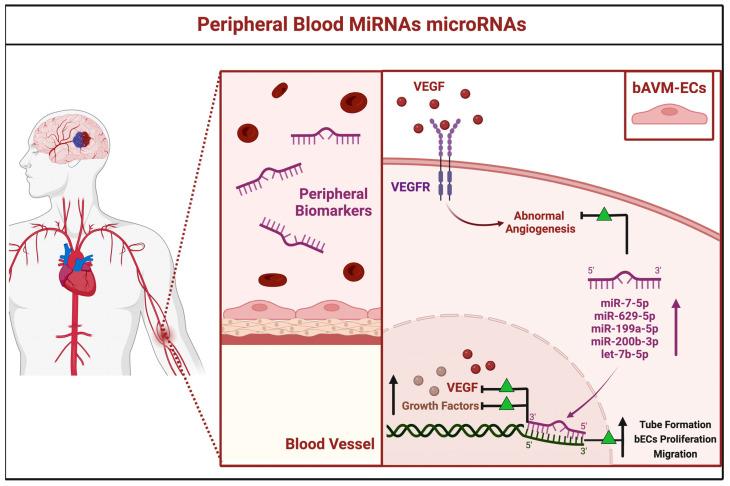
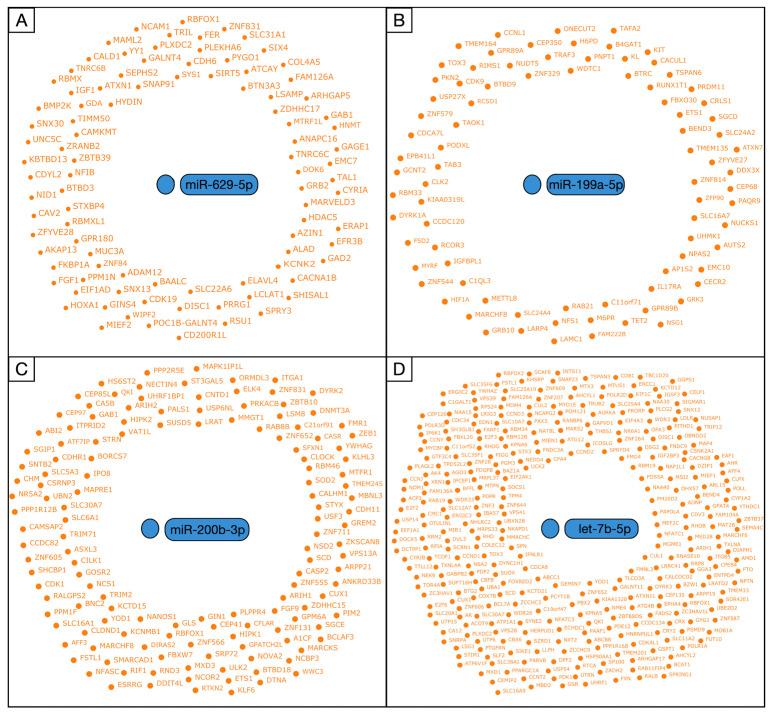
four studies were ultimately included in the final analyses. Sequencing data consistently revealed the decreased expression of miR-18a in bAVM-endothelial cells, resulting in increased levels of vascular endodermal growth factor (VEGF), Id-1, matrix metalloproteinase, and growth signals. Our analyses also suggest that the downregulation of miR-137 and miR-195* within vascular smooth muscle cells (VSMCs) may foster the activation of inflammation, aberrant angiogenesis, and phenotypic switching. In the peripheral blood, the overexpression of miR-7-5p, miR-629-5p, miR-199a-5p, miR-200b-3p, and let-7b-5p may contribute to endothelial proliferation and nidus development. The machine learning algorithms employed confirmed associations between miRNA-related target networks, vascular rearrangement, and bAVM progression.
CONCLUSION
miRNAs expression appears to be critical in managing bAVMs' post-transcriptional signals. Targets of microRNAs regulate canonical vascular proliferation and reshaping. Although additional scientific evidence is needed, the identification of bAVM miRNA signatures may facilitate the development of novel prognostic/diagnostic tools and molecular therapies for bAVMs.
引言
微小RNA(miRNA)是一类非编码RNA,在调节基因表达中发挥着众多重要作用。值得注意的是,最近的研究表明miRNA在脑动静脉畸形(bAVM)的发生和发展中起关键作用。因此,我们在此研究与bAVM相关的miRNA特征及相关基因表达。在此过程中,我们阐述了miRNA在bAVM临床管理中的潜在预后、诊断和治疗意义。
方法
使用PubMed/Medline数据库进行基于PRISMA的文献综述,搜索词如下:“脑动静脉畸形”、“脑动静脉畸形”、“微小RNA”和“miRNA”。所有用英文撰写的临床前和临床研究,无论日期如何,均被选中。对于我们的生物信息学分析,采用了miRWalk和miRTarBase机器学习算法;查询京都基因与基因组百科全书(KEGG)数据库以获取相关途径/功能。
结果
最终四项研究纳入最终分析。测序数据一致显示bAVM内皮细胞中miR-18a表达降低,导致血管内皮生长因子(VEGF)、Id-1、基质金属蛋白酶和生长信号水平升高。我们的分析还表明,血管平滑肌细胞(VSMC)中miR-137和miR-195*的下调可能促进炎症激活、异常血管生成和表型转换。在外周血中,miR-7-5p、miR-629-5p、miR-199a-5p、miR-200b-3p和let-7b-5p的过表达可能有助于内皮细胞增殖和畸形瘤形成。所采用的机器学习算法证实了miRNA相关靶标网络、血管重塑和bAVM进展之间的关联。
结论
miRNA表达似乎在管理bAVM的转录后信号中至关重要。微小RNA的靶标调节典型的血管增殖和重塑。尽管还需要更多科学证据,但bAVM miRNA特征的鉴定可能有助于开发用于bAVM的新型预后/诊断工具和分子疗法。


 Zotero 插件