
使用再生建筑和副产品工业废粗集料生产的混凝土性能
Concrete Performance Produced Using Recycled Construction and By-Product Industrial Waste Coarse Aggregates.
作者信息
Alqarni Ali S, Albidah Abdulrahman, Abbas Husain, Almusallam Tarek, Al-Salloum Yousef
机构信息
Chair of Research and Studies in Strengthening and Rehabilitation of Structures, Department of Civil Engineering, King Saud University, Riyadh 11421, Saudi Arabia.
出版信息
Materials (Basel). 2022 Dec 15;15(24):8985. doi: 10.3390/ma15248985.
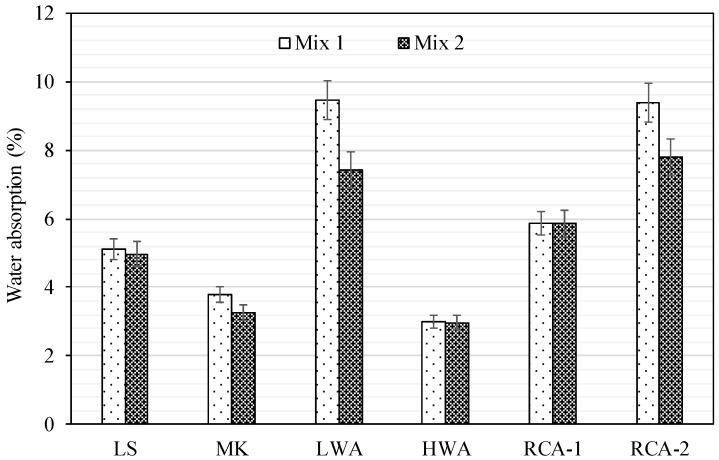
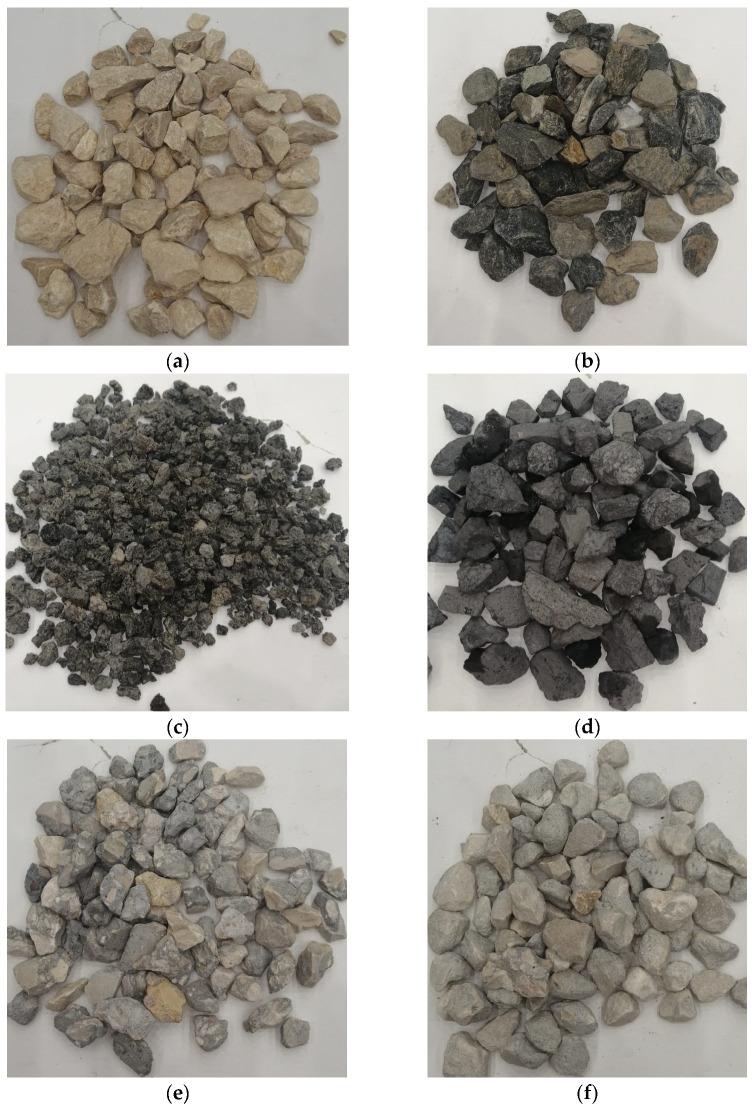
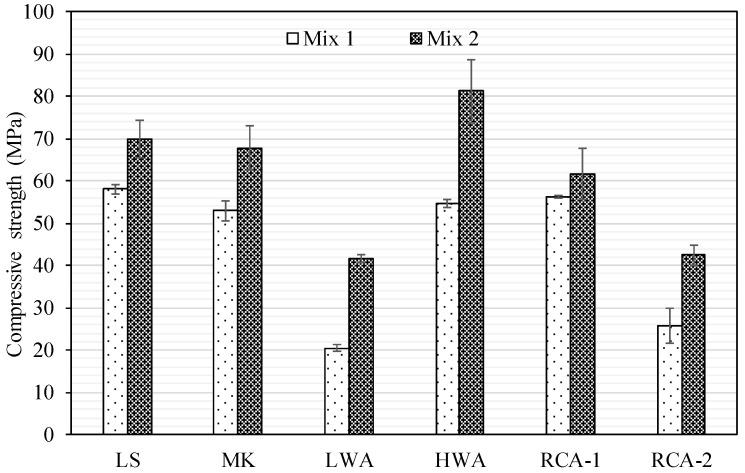
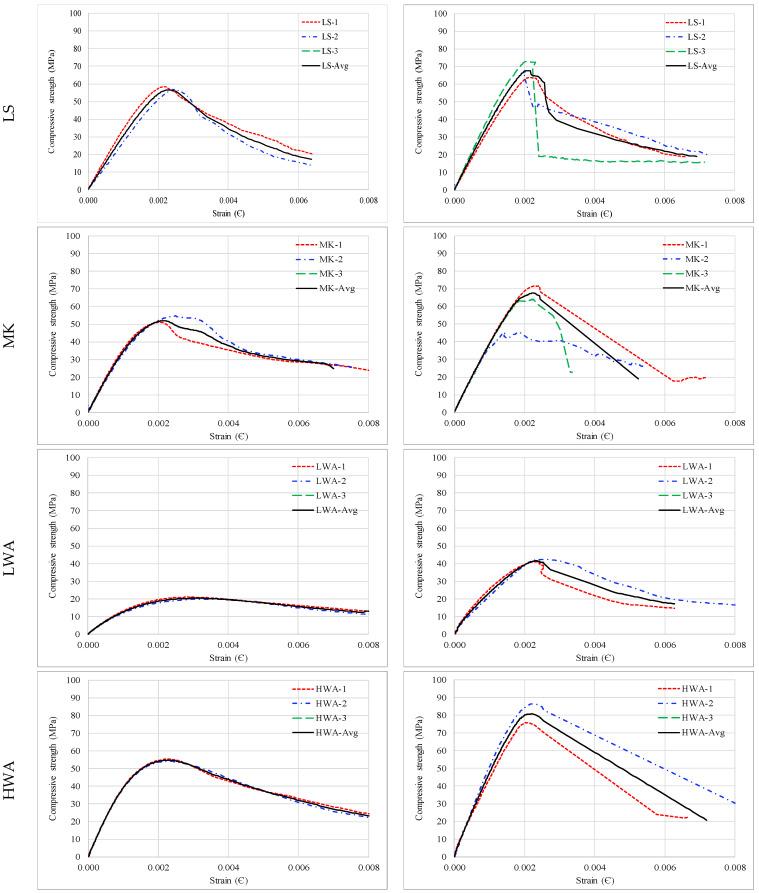
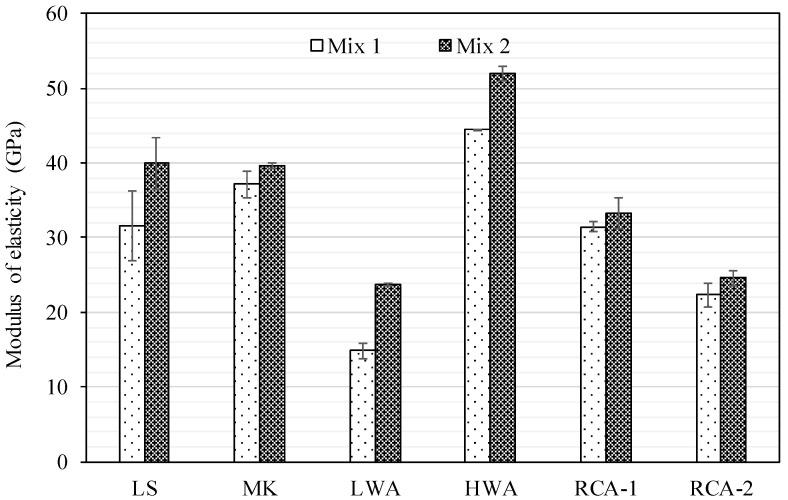
Concrete is classified as a multi-composite material comprising three phases: coarse aggregate, mortar, and interfacial transition zone (ITZ). Fine and coarse aggregates occupy approximately 70-85% by volume, of which coarse aggregate typically constitutes more than two-thirds of the total quantity of aggregate by volume. The current study investigates the concrete performance produced using various recycled construction and by-product industrial waste coarse aggregates. Six types of coarse aggregates: manufactured limestone, quartzite, natural scoria, by-product industrial waste aggregate, and two sources of recycled concrete aggregates with densities ranging from 860 to 2300 kg/m and with different strength properties were studied. To determine the coarse aggregate contribution to the overall concrete performance, lean and rich concrete mixtures (Mix 1 and Mix 2) were used. Mix 1 (lean mixture) consisted of a ratio of water to cement (w/c) of 0.5 and cement content of 300 kg/m, whereas a higher quantity of cement of 500 kg/m and a lower w/c ratio of 0.3 were used for Mix 2 (rich mixture). The results showed that while the compressive strength for different aggregate types in Mix 1 was comparable, the contribution of aggregate to concrete performance was very significant for Mix 2. Heavyweight aggregate produced the highest strength, while the lightweight and recycled aggregates resulted in lower mechanical properties compared to normal weight aggregates. The modulus of elasticity was also substantially affected by the coarse aggregate characteristics and even for Mix 1. The ACI 363R-92 and CSA A23.3-04 appeared to have the best model for predicting the modulus of elasticity, followed by the ACI-318-19 (density-based formula) and AS-3600-09. The density of coarse aggregate, and hence concrete, greatly influenced the mechanical properties of concrete. The water absorption percentage for the concrete produced from various types of aggregates was found to be higher for the aggregates of higher absorption capacity.
混凝土被归类为一种多复合材料,由三个相组成:粗骨料、砂浆和界面过渡区(ITZ)。细骨料和粗骨料约占体积的70 - 85%,其中粗骨料通常占骨料总体积的三分之二以上。当前研究调查了使用各种再生建筑和工业副产品粗骨料生产的混凝土性能。研究了六种类型的粗骨料:人造石灰石、石英岩、天然火山渣、工业副产品骨料以及两种再生混凝土骨料来源,其密度范围为860至2300 kg/m³,且具有不同的强度特性。为了确定粗骨料对混凝土整体性能的贡献,使用了贫混凝土和富混凝土混合物(混合物1和混合物2)。混合物1(贫混合物)的水灰比(w/c)为0.5,水泥含量为300 kg/m³,而混合物2(富混合物)使用了更高的水泥量500 kg/m³和更低的水灰比0.3。结果表明,虽然混合物1中不同骨料类型的抗压强度相当,但对于混合物2,骨料对混凝土性能的贡献非常显著。重质骨料产生的强度最高,而轻质和再生骨料与普通重量骨料相比,导致较低的力学性能。弹性模量也受到粗骨料特性的显著影响,甚至对于混合物1也是如此。ACI 363R - 92和CSA A23.3 - 04似乎具有预测弹性模量的最佳模型,其次是ACI - 318 - 19(基于密度的公式)和AS - 3600 - 09。粗骨料的密度以及混凝土的密度极大地影响了混凝土的力学性能。发现由各种类型骨料生产的混凝土的吸水率对于具有较高吸水能力的骨料更高。



 Zotero 插件