
预防、诊断和管理医疗相关感染中抗菌药物耐药性的技术发展
The Development of Technology to Prevent, Diagnose, and Manage Antimicrobial Resistance in Healthcare-Associated Infections.
作者信息
Elbehiry Ayman, Marzouk Eman, Abalkhail Adil, El-Garawany Yasmine, Anagreyyah Sulaiman, Alnafea Yaser, Almuzaini Abdulaziz M, Alwarhi Waleed, Rawway Mohammed, Draz Abdelmaged
机构信息
Department of Public Health, College of Public Health and Health Informatics, Qassim University, Al Bukayriyah 52741, Saudi Arabia.
Department of Bacteriology, Mycology and Immunology, Faculty of Veterinary Medicine, University of Sadat City, Sadat City 32511, Egypt.
出版信息
Vaccines (Basel). 2022 Dec 8;10(12):2100. doi: 10.3390/vaccines10122100.
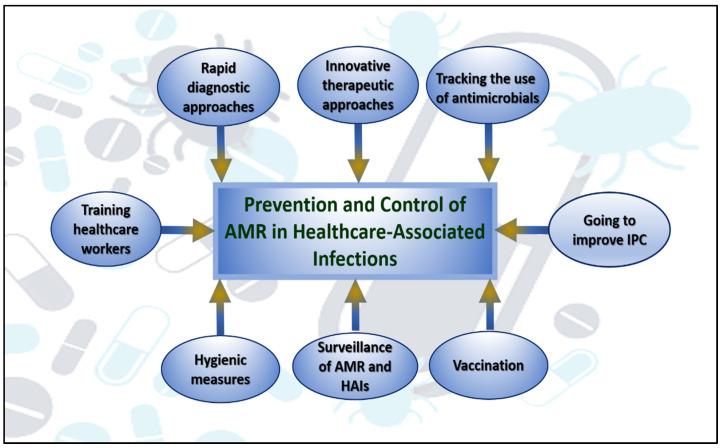
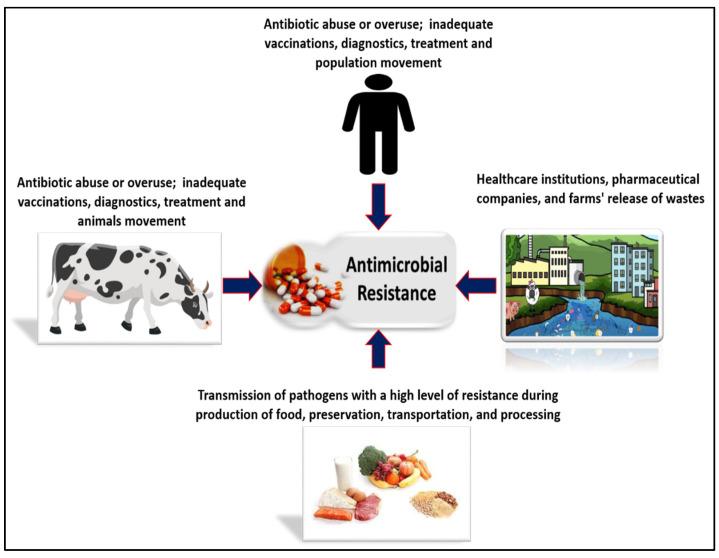
There is a growing risk of antimicrobial resistance (AMR) having an adverse effect on the healthcare system, which results in higher healthcare costs, failed treatments and a higher death rate. A quick diagnostic test that can spot infections resistant to antibiotics is essential for antimicrobial stewardship so physicians and other healthcare professionals can begin treatment as soon as possible. Since the development of antibiotics in the last two decades, traditional, standard antimicrobial treatments have failed to treat healthcare-associated infections (HAIs). These results have led to the development of a variety of cutting-edge alternative methods to combat multidrug-resistant pathogens in healthcare settings. Here, we provide an overview of AMR as well as the technologies being developed to prevent, diagnose, and control healthcare-associated infections (HAIs). As a result of better cleaning and hygiene practices, resistance to bacteria can be reduced, and new, quick, and accurate instruments for diagnosing HAIs must be developed. In addition, we need to explore new therapeutic approaches to combat diseases caused by resistant bacteria. In conclusion, current infection control technologies will be crucial to managing multidrug-resistant infections effectively. As a result of vaccination, antibiotic usage will decrease and new resistance mechanisms will not develop.
抗菌药物耐药性(AMR)对医疗系统产生不利影响的风险正在增加,这会导致医疗成本上升、治疗失败和死亡率升高。一种能够检测出对抗生素耐药的感染的快速诊断测试对抗菌药物管理至关重要,这样医生和其他医疗专业人员就能尽快开始治疗。自过去二十年抗生素问世以来,传统的标准抗菌治疗方法已无法治疗医疗保健相关感染(HAIs)。这些结果促使人们开发出各种前沿替代方法,以对抗医疗机构中耐多药病原体。在此,我们概述了抗菌药物耐药性以及正在开发的用于预防、诊断和控制医疗保健相关感染(HAIs)的技术。通过更好的清洁和卫生措施,可以降低细菌耐药性,并且必须开发出新的、快速且准确的诊断HAIs的仪器。此外,我们需要探索新的治疗方法来对抗由耐药细菌引起的疾病。总之,当前的感染控制技术对于有效管理耐多药感染至关重要。通过接种疫苗,抗生素的使用将减少,新的耐药机制也不会出现。
 Zotero 插件