
通过抑制细菌生物膜形成克服细菌耐药性的先进方法探索性综述
An Explorative Review on Advanced Approaches to Overcome Bacterial Resistance by Curbing Bacterial Biofilm Formation.
作者信息
Mohamad F, Alzahrani Raghad R, Alsaadi Ahlam, Alrfaei Bahauddeen M, Yassin Alaa Eldeen B, Alkhulaifi Manal M, Halwani Majed
机构信息
Infectious Diseases Research Department, King Abdullah International Medical Research Center, King Saud bin Abdulaziz University for Health Sciences, Riyadh, Saudi Arabia.
Nanomedicine Department, King Abdullah International Medical Research Center, King Saud bin Abdulaziz University for Health Sciences, Riyadh, Saudi Arabia.
出版信息
Infect Drug Resist. 2023 Jan 5;16:19-49. doi: 10.2147/IDR.S380883. eCollection 2023.
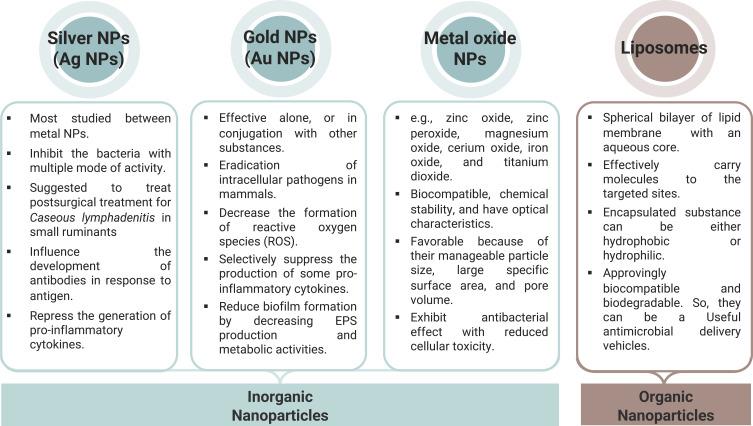
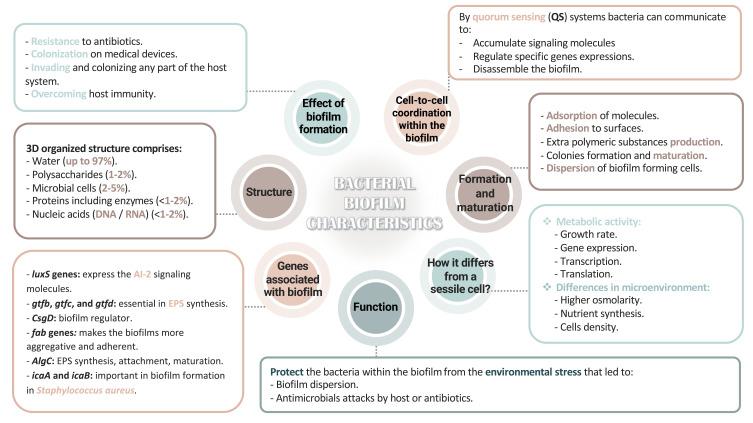
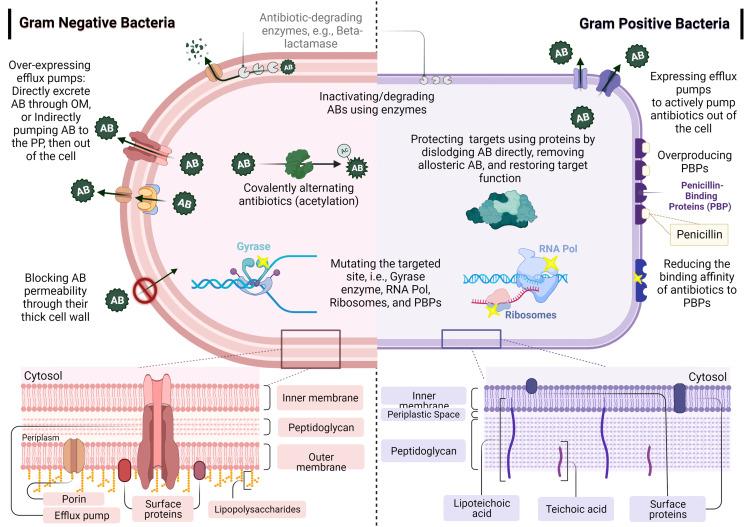
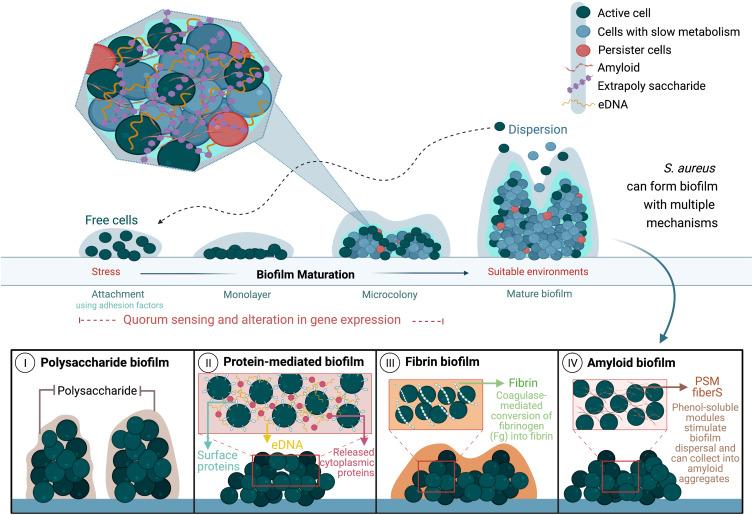
The continuous emergence of multidrug-resistant pathogens evoked the development of innovative approaches targeting virulence factors unique to their pathogenic cascade. These approaches aimed to explore anti-virulence or anti-infective therapies. There are evident concerns regarding the bacterial ability to create a superstructure, the biofilm. Biofilm formation is a crucial virulence factor causing difficult-to-treat, localized, and systemic infections. The microenvironments of bacterial biofilm reduce the efficacy of antibiotics and evade the host's immunity. Producing a biofilm is not limited to a specific group of bacteria; however, , and biofilms are exemplary models. This review discusses biofilm formation as a virulence factor and the link to antimicrobial resistance. In addition, it explores insights into innovative multi-targeted approaches and their physiological mechanisms to combat biofilms, including natural compounds, phages, antimicrobial photodynamic therapy (aPDT), CRISPR-Cas gene editing, and nano-mediated techniques.
多重耐药病原体的不断出现促使人们开发针对其致病级联中独特毒力因子的创新方法。这些方法旨在探索抗毒力或抗感染疗法。人们对细菌形成超结构即生物膜的能力存在明显担忧。生物膜形成是导致难以治疗的局部和全身感染的关键毒力因子。细菌生物膜的微环境会降低抗生素的疗效并逃避宿主免疫。产生生物膜并不局限于特定的细菌群体;然而, 和 生物膜是典型模型。本综述讨论了生物膜形成作为一种毒力因子以及与抗菌耐药性的联系。此外,还探讨了对抗生物膜的创新多靶点方法及其生理机制,包括天然化合物、噬菌体、抗菌光动力疗法(aPDT)、CRISPR-Cas基因编辑和纳米介导技术。




 Zotero 插件