
多因素方法逆转阿尔茨海默病和 MCI 认知衰退的理由:综述。
Rationale for a Multi-Factorial Approach for the Reversal of Cognitive Decline in Alzheimer's Disease and MCI: A Review.
机构信息
Apollo Health, Burlingame, CA 94011, USA.
Department of Psychology, University of California, Davis, CA 95616, USA.
出版信息
Int J Mol Sci. 2023 Jan 14;24(2):1659. doi: 10.3390/ijms24021659.
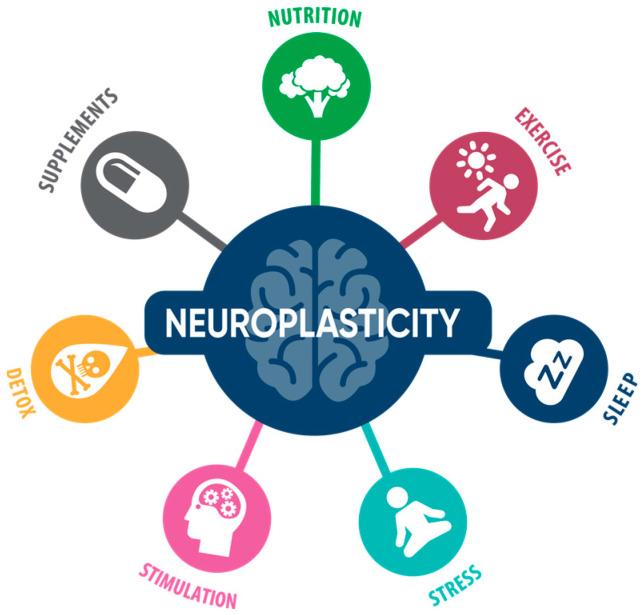
Alzheimer's disease (AD) is a multifactorial, progressive, neurodegenerative disease typically characterized by memory loss, personality changes, and a decline in overall cognitive function. Usually manifesting in individuals over the age of 60, this is the most prevalent type of dementia and remains the fifth leading cause of death among Americans aged 65 and older. While the development of effective treatment and prevention for AD is a major healthcare goal, unfortunately, therapeutic approaches to date have yet to find a treatment plan that produces long-term cognitive improvement. Drugs that may be able to slow down the progression rate of AD are being introduced to the market; however, there has been no previous solution for preventing or reversing the disease-associated cognitive decline. Recent studies have identified several factors that contribute to the progression and severity of the disease: diet, lifestyle, stress, sleep, nutrient deficiencies, mental health, socialization, and toxins. Thus, increasing evidence supports dietary and other lifestyle changes as potentially effective ways to prevent, slow, or reverse AD progression. Studies also have demonstrated that a personalized, multi-therapeutic approach is needed to improve metabolic abnormalities and AD-associated cognitive decline. These studies suggest the effects of abnormalities, such as insulin resistance, chronic inflammation, hypovitaminosis D, hormonal deficiencies, and hyperhomocysteinemia, in the AD process. Therefore a personalized, multi-therapeutic program based on an individual's genetics and biochemistry may be preferable over a single-drug/mono-therapeutic approach. This article reviews these multi-therapeutic strategies that identify and attenuate all the risk factors specific to each affected individual. This article systematically reviews studies that have incorporated multiple strategies that target numerous factors simultaneously to reverse or treat cognitive decline. We included high-quality clinical trials and observational studies that focused on the cognitive effects of programs comprising lifestyle, physical, and mental activity, as well as nutritional aspects. Articles from PubMed Central, Scopus, and Google Scholar databases were collected, and abstracts were reviewed for relevance to the subject matter. Epidemiological, pathological, toxicological, genetic, and biochemical studies have all concluded that AD represents a complex network insufficiency. The research studies explored in this manuscript confirm the need for a multifactorial approach to target the various risk factors of AD. A single-drug approach may delay the progression of memory loss but, to date, has not prevented or reversed it. Diet, physical activity, sleep, stress, and environment all contribute to the progression of the disease, and, therefore, a multi-factorial optimization of network support and function offers a rational therapeutic strategy. Thus, a multi-therapeutic program that simultaneously targets multiple factors underlying the AD network may be more effective than a mono-therapeutic approach.
阿尔茨海默病(AD)是一种多因素、进行性、神经退行性疾病,通常表现为记忆力减退、个性改变和整体认知功能下降。这种疾病通常发生在 60 岁以上的人群中,是最常见的痴呆类型,也是美国 65 岁及以上人群中第五大致死原因。虽然开发有效的 AD 治疗和预防方法是一个主要的医疗保健目标,但不幸的是,迄今为止的治疗方法尚未找到能够产生长期认知改善的治疗方案。能够减缓 AD 进展速度的药物正在推向市场;然而,以前没有预防或逆转与疾病相关的认知能力下降的解决方案。最近的研究已经确定了几个导致疾病进展和严重程度的因素:饮食、生活方式、压力、睡眠、营养缺乏、心理健康、社交和毒素。因此,越来越多的证据支持饮食和其他生活方式的改变可能是预防、减缓或逆转 AD 进展的有效方法。研究还表明,需要个性化、多疗法的方法来改善代谢异常和与 AD 相关的认知能力下降。这些研究表明,胰岛素抵抗、慢性炎症、维生素 D 缺乏、激素缺乏和高同型半胱氨酸血症等异常在 AD 过程中的作用。因此,基于个体的遗传学和生物化学的个性化、多疗法方案可能优于单一药物/单一疗法方案。本文综述了这些多疗法策略,这些策略确定并减轻了每个受影响个体的所有特定风险因素。本文系统地回顾了同时针对多个因素的研究,这些因素同时针对多个因素来逆转或治疗认知能力下降。我们纳入了高质量的临床试验和观察性研究,这些研究侧重于生活方式、身体和精神活动以及营养方面的认知效果。从 PubMed Central、Scopus 和 Google Scholar 数据库中收集了文章,并对摘要进行了审查,以确定其与主题的相关性。流行病学、病理学、毒理学、遗传学和生物化学研究都得出结论,AD 代表了一个复杂的网络不足。本文探讨的研究证实了需要采用多因素方法来针对 AD 的各种危险因素。单一药物方法可能会延迟记忆丧失的进展,但迄今为止,它并未预防或逆转记忆丧失。饮食、身体活动、睡眠、压力和环境都会导致疾病的进展,因此,对网络支持和功能进行多因素优化提供了一种合理的治疗策略。因此,同时针对 AD 网络下多个因素的多疗法方案可能比单一疗法方案更有效。
 Zotero 插件