
硼替佐米治疗多发性骨髓瘤的耐药性及新兴技术的潜在作用综述
Review on Bortezomib Resistance in Multiple Myeloma and Potential Role of Emerging Technologies.
作者信息
Kozalak Gül, Bütün İsmail, Toyran Erçil, Koşar Ali
机构信息
Faculty of Engineering and Natural Science, Sabancı University, Istanbul 34956, Turkey.
Center of Excellence for Functional Surfaces and Interfaces for Nano Diagnostics (EFSUN), Sabancı University, Istanbul 34956, Turkey.
出版信息
Pharmaceuticals (Basel). 2023 Jan 12;16(1):111. doi: 10.3390/ph16010111.
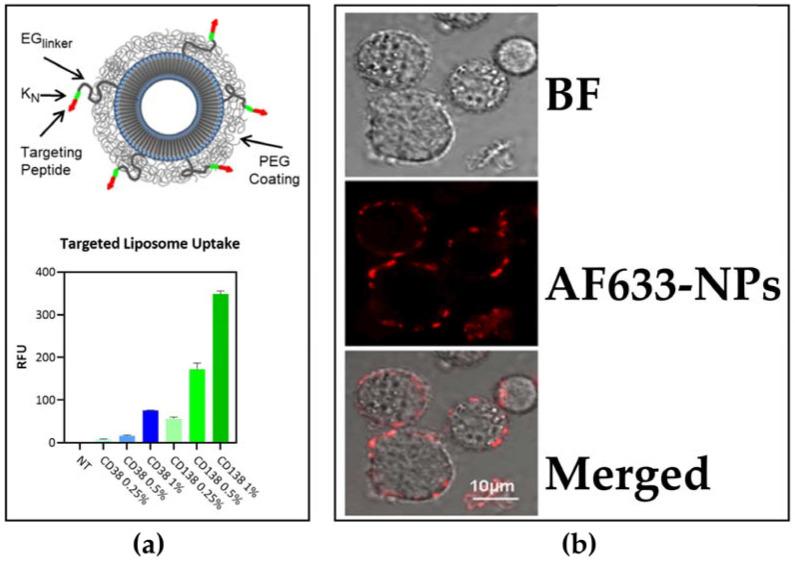
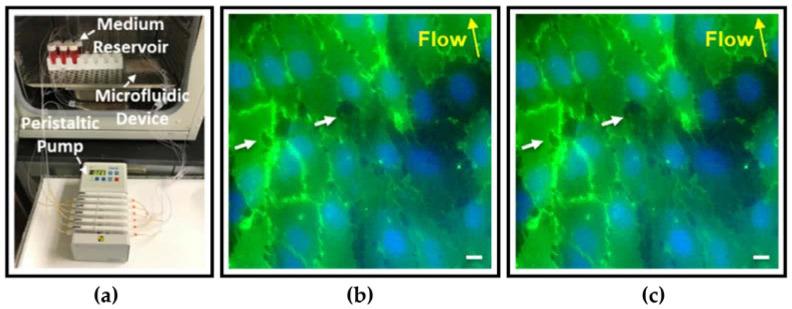
Multiple myeloma is a hematological cancer type. For its treatment, Bortezomib has been widely used. However, drug resistance to this effective chemotherapeutic has been developed for various reasons. 2D cell cultures and animal models have failed to understand the MM disease and Bortezomib resistance. It is therefore essential to utilize new technologies to reveal a complete molecular profile of the disease. In this review, we in-depth examined the possible molecular mechanisms that cause Bortezomib resistance and specifically addressed MM and Bortezomib resistance. Moreover, we also included the use of nanoparticles, 3D culture methods, microfluidics, and organ-on-chip devices in multiple myeloma. We also discussed whether the emerging technology offers the necessary tools to understand and prevent Bortezomib resistance in multiple myeloma. Despite the ongoing research activities on MM, the related studies cannot provide a complete summary of MM. Nanoparticle and 3D culturing have been frequently used to understand MM disease and Bortezomib resistance. However, the number of microfluidic devices for this application is insufficient. By combining siRNA/miRNA technologies with microfluidic devices, a complete molecular genetic profile of MM disease could be revealed. Microfluidic chips should be used clinically in personal therapy and point-of-care applications. At least with Bortezomib microneedles, it could be ensured that MM patients can go through the treatment process more painlessly. This way, MM can be switched to the curable cancer type list, and Bortezomib can be targeted for its treatment with fewer side effects.
多发性骨髓瘤是一种血液系统癌症类型。在其治疗中,硼替佐米已被广泛使用。然而,由于各种原因,对这种有效的化疗药物已产生耐药性。二维细胞培养和动物模型未能充分理解多发性骨髓瘤疾病及硼替佐米耐药性。因此,利用新技术揭示该疾病完整的分子图谱至关重要。在本综述中,我们深入研究了导致硼替佐米耐药的可能分子机制,并特别探讨了多发性骨髓瘤及硼替佐米耐药性。此外,我们还介绍了纳米颗粒、三维培养方法、微流控技术和芯片器官装置在多发性骨髓瘤中的应用。我们还讨论了这些新兴技术是否提供了理解和预防多发性骨髓瘤中硼替佐米耐药性的必要工具。尽管针对多发性骨髓瘤的研究活动不断,但相关研究仍无法对多发性骨髓瘤进行全面总结。纳米颗粒和三维培养已频繁用于理解多发性骨髓瘤疾病及硼替佐米耐药性。然而,用于此应用的微流控装置数量不足。通过将小干扰RNA/微小RNA技术与微流控装置相结合,可揭示多发性骨髓瘤疾病完整的分子遗传图谱。微流控芯片应在临床个人治疗和即时护理应用中使用。至少使用硼替佐米微针,可以确保多发性骨髓瘤患者在治疗过程中更无痛。这样,多发性骨髓瘤有望被列入可治愈癌症类型名单,并且硼替佐米可作为治疗靶点,副作用更少。





 Zotero 插件