
慢性自发性荨麻疹肠道微生物组和代谢物相互作用的微生物组和代谢组联合分析。
Combined microbiome and metabolome analysis of gut microbiota and metabolite interactions in chronic spontaneous urticaria.
机构信息
Department of Dermatology, The First Affiliated Hospital of Anhui Medical University, Anhui, China.
Institute of Dermatology, Anhui Medical University, Anhui, China.
出版信息
Front Cell Infect Microbiol. 2023 Jan 11;12:1094737. doi: 10.3389/fcimb.2022.1094737. eCollection 2022.
BACKGROUND
The pathogenesis of chronic spontaneous urticaria (CSU) is unclear, and it turned out to be involved in biological processes, such as autoimmunity, autoallergy, inflammation, and coagulation. The gut microbiota plays an important role in immune and inflammatory diseases. However, the relationship between chronic spontaneous urticaria and the gut microbiota remains unknown.
METHODS
The stool and serum samples were taken from 15 CSU patients and 15 normal controls. Changes in the composition of gut microbiota and serum metabolism in CSU patients and normal controls were analyzed by 16S ribosomal RNA (rRNA) gene sequencing and untargeted metabolomics.
RESULTS
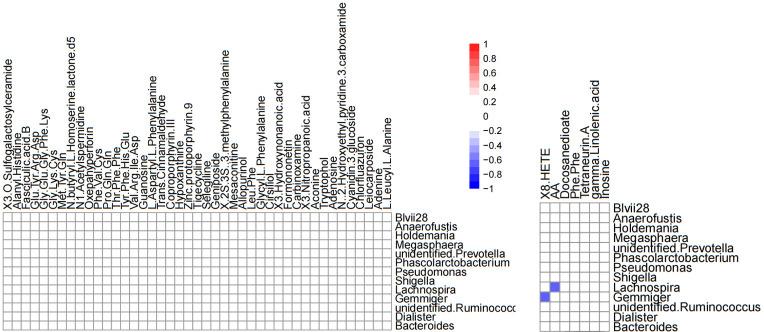
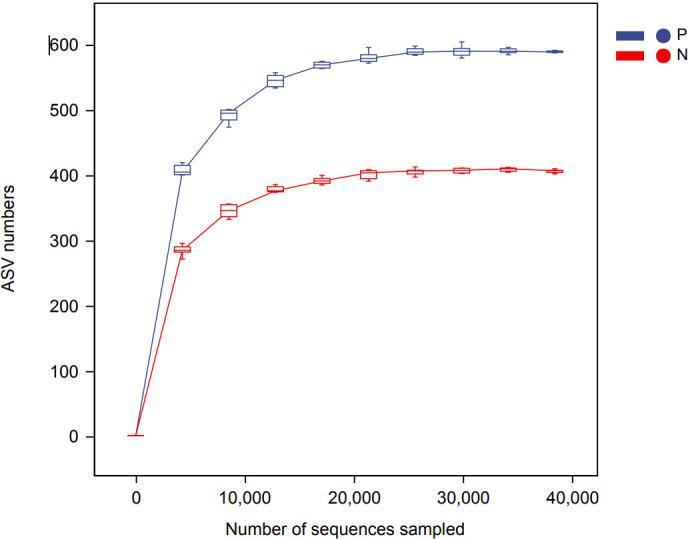
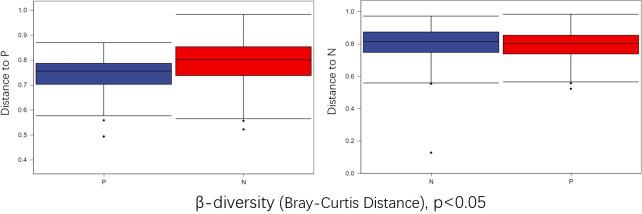
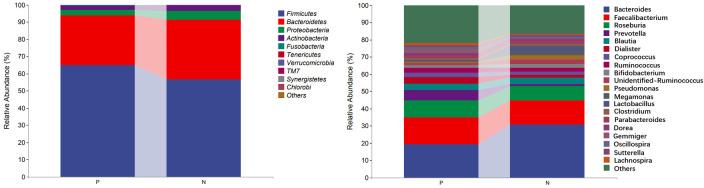
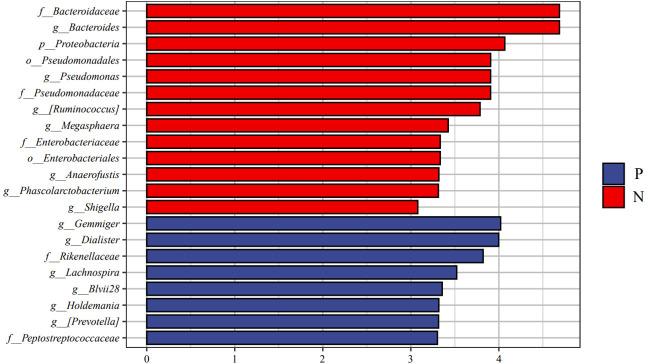
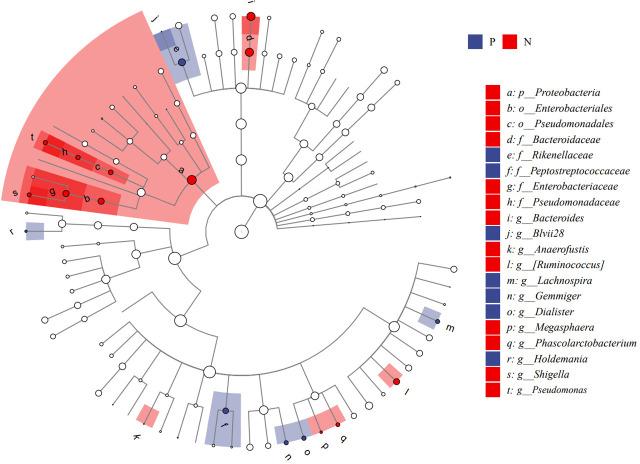
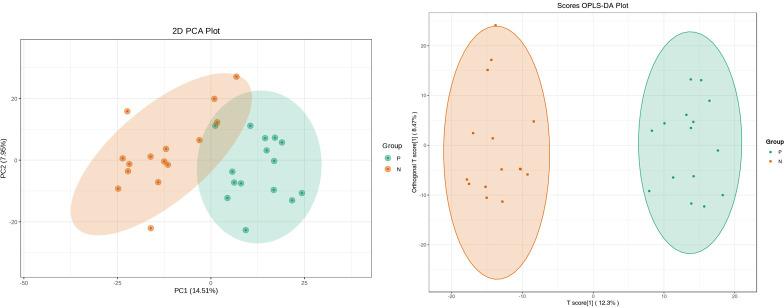
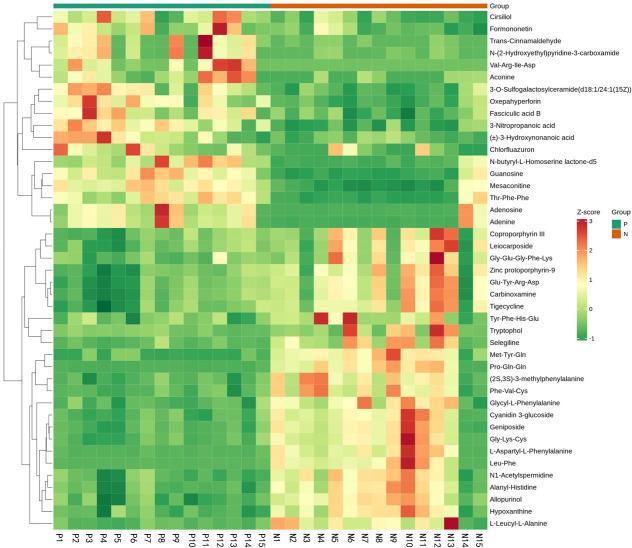
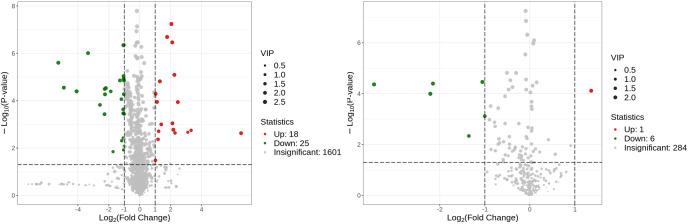
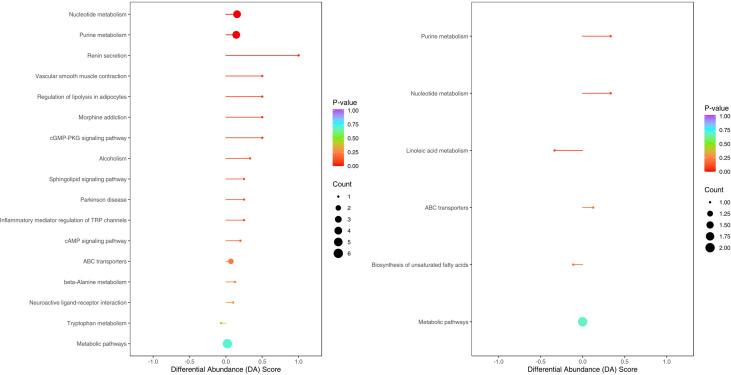
The results of 16S rRNA gene sequencing showed that compared with normal controls, CSU patients had increased α-diversity of gut microbiota and significant differences in β-diversity. At the phylum level, the relative abundance of increased and the relative abundance of and decreased in CSU patients compared with healthy controls. At the genus level, six kinds of bacteria were significantly enriched in CSU patients and five in normal controls. Metabolomic analysis revealed altered levels of metabolites such as unsaturated fatty acids and purines. Correlation analysis of gut microbiota and metabolites showed that was negatively correlated with arachidonic acid, and was also negatively correlated with (±)8-HETE.
CONCLUSION
This study suggests that changes in gut microbiota and metabolites may play a role in immune and inflammatory pathways in the pathogenesis of CSU patients.
背景
慢性自发性荨麻疹(CSU)的发病机制尚不清楚,现已证实其涉及自身免疫、自身过敏、炎症和凝血等生物学过程。肠道微生物群在免疫和炎症性疾病中发挥着重要作用。然而,慢性自发性荨麻疹与肠道微生物群之间的关系尚不清楚。
方法
从 15 例 CSU 患者和 15 例正常对照者中采集粪便和血清样本。采用 16S 核糖体 RNA(rRNA)基因测序和非靶向代谢组学分析 CSU 患者和正常对照者肠道微生物群组成和血清代谢物的变化。
结果
16S rRNA 基因测序结果显示,与正常对照组相比,CSU 患者的肠道微生物群 α多样性增加,β多样性有显著差异。在门水平上,CSU 患者的相对丰度增加,与健康对照组相比, 和 的相对丰度降低。在属水平上,CSU 患者中有 6 种细菌显著富集,正常对照组中有 5 种细菌显著富集。代谢组学分析显示,不饱和脂肪酸和嘌呤等代谢物水平发生改变。肠道微生物群和代谢物的相关性分析表明, 与花生四烯酸呈负相关, 与(±)8-HETE 也呈负相关。
结论
本研究提示肠道微生物群和代谢物的改变可能在 CSU 患者的发病机制中参与免疫和炎症途径。

 Zotero 插件