
超声引导下脊柱手术的应用:第 1 部分-宫颈。
Ultrasound-Guided Blocks for Spine Surgery: Part 1-Cervix.
机构信息
Department of Anaesthesiology and Intensive Therapy, Central Clinical Hospital of the Ministry of Interior and Administration in Warsaw, 02-507 Warsaw, Poland.
Department of Anaesthesiology, National Institute of Geriatrics, Rheumatology and Rehabilitation in Warsaw, 02-637 Warsaw, Poland.
出版信息
Int J Environ Res Public Health. 2023 Jan 23;20(3):2098. doi: 10.3390/ijerph20032098.
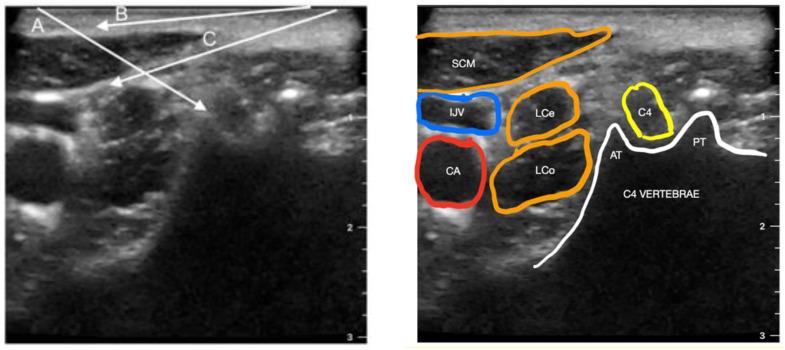
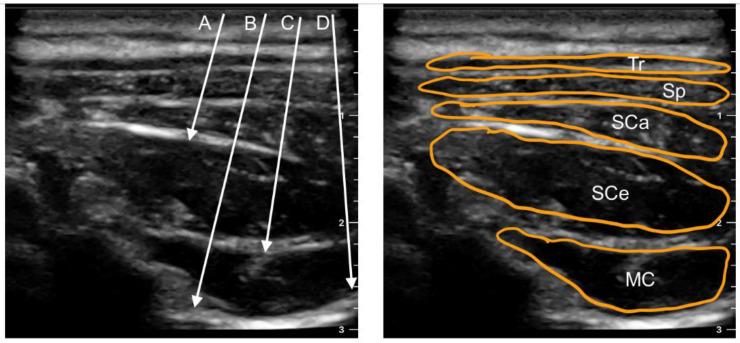
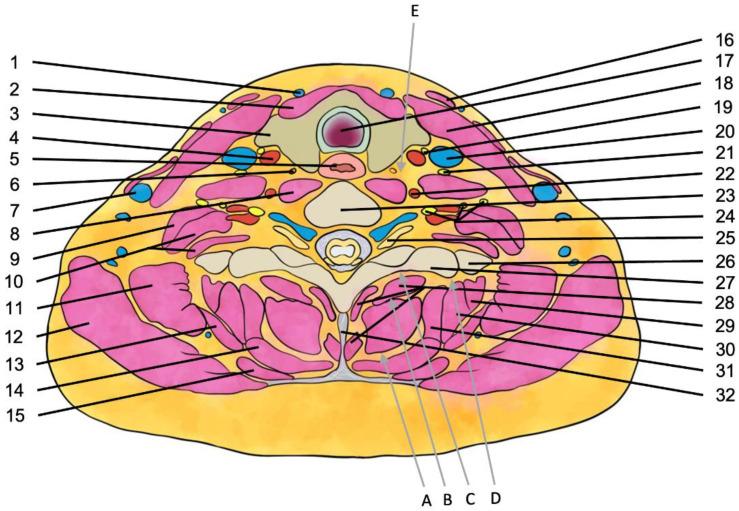
Postoperative pain is common following spine surgery, particularly complex procedures. The main anesthetic efforts are focused on applying multimodal analgesia beforehand, and regional anesthesia is a critical component of it. The purpose of this study is to examine the existing techniques for regional anesthesia in cervical spine surgery and to determine their effect and safety on pain reduction and postoperative patient's recovery. The electronic databases were searched for all literature pertaining to cervical nerve block procedures. The following peripheral, cervical nerve blocks were selected and described: paravertebral block, cervical plexus clock, paraspinal interfascial plane blocks such as multifidus cervicis, retrolaminar, inter-semispinal and interfacial, as well as erector spinae plane block and stellate ganglion block. Clinicians should choose more superficial techniques in the cervical region, as they have been shown to be comparably effective and less hazardous compared to paravertebral blocks.
脊柱手术后通常会出现术后疼痛,尤其是复杂的手术。主要的麻醉措施侧重于预先应用多模式镇痛,而区域麻醉是其中的关键组成部分。本研究旨在检查颈椎手术中现有的区域麻醉技术,并确定它们在减轻疼痛和术后患者恢复方面的效果和安全性。电子数据库中搜索了所有与颈椎神经阻滞程序相关的文献。选择并描述了以下外周和颈椎神经阻滞:椎旁阻滞、颈椎丛钟形阻滞、多裂肌颈、后层间、半棘间和筋膜间平面阻滞以及竖脊肌平面阻滞和星状神经节阻滞。临床医生应选择颈部较浅的技术,因为与椎旁阻滞相比,这些技术已被证明同样有效且危害较小。

 Zotero 插件