
mRNA 疫苗的全面综述。
A Comprehensive Review of mRNA Vaccines.
机构信息
Division of Pharmacology and Pharmaceutical Sciences, School of Pharmacy, University of Missouri, 2464 Charlotte Street, Kansas City, MO 64108, USA.
Department of Biomedical Engineering, College of Engineering, The University of Texas at El Paso, 500 W University Ave, El Paso, TX 79968, USA.
出版信息
Int J Mol Sci. 2023 Jan 31;24(3):2700. doi: 10.3390/ijms24032700.
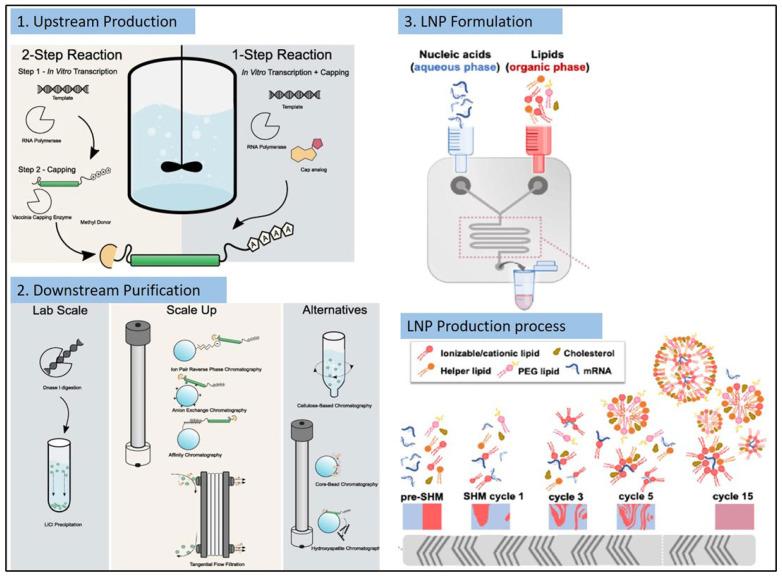
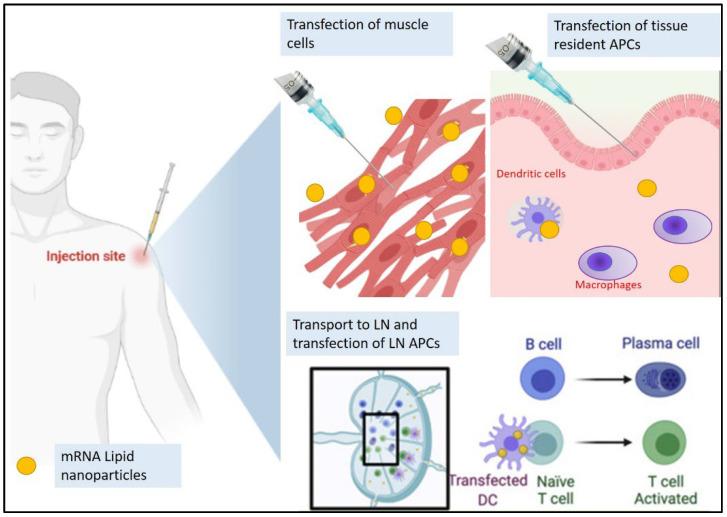
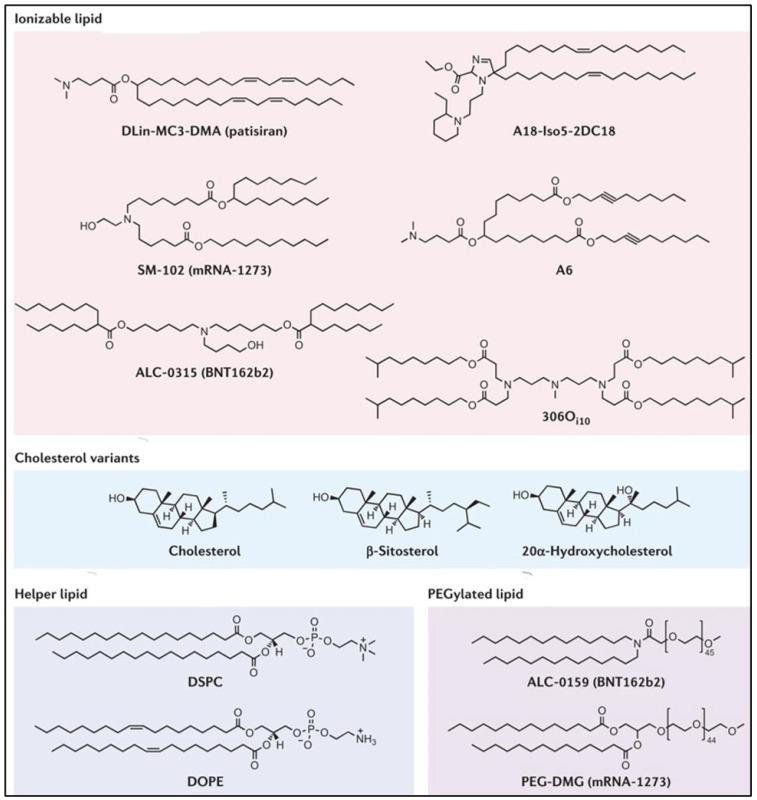
mRNA vaccines have been demonstrated as a powerful alternative to traditional conventional vaccines because of their high potency, safety and efficacy, capacity for rapid clinical development, and potential for rapid, low-cost manufacturing. These vaccines have progressed from being a mere curiosity to emerging as COVID-19 pandemic vaccine front-runners. The advancements in the field of nanotechnology for developing delivery vehicles for mRNA vaccines are highly significant. In this review we have summarized each and every aspect of the mRNA vaccine. The article describes the mRNA structure, its pharmacological function of immunity induction, lipid nanoparticles (LNPs), and the upstream, downstream, and formulation process of mRNA vaccine manufacturing. Additionally, mRNA vaccines in clinical trials are also described. A deep dive into the future perspectives of mRNA vaccines, such as its freeze-drying, delivery systems, and LNPs targeting antigen-presenting cells and dendritic cells, are also summarized.
mRNA 疫苗因其高效力、安全性和有效性、快速临床开发的能力以及快速、低成本制造的潜力,已被证明是传统常规疫苗的一种有力替代品。这些疫苗已经从仅仅是一种好奇发展成为 COVID-19 大流行疫苗的领跑者。在开发 mRNA 疫苗的递送载体方面,纳米技术领域的进步具有重要意义。在这篇综述中,我们总结了 mRNA 疫苗的各个方面。本文描述了 mRNA 的结构、其免疫诱导的药理学功能、脂质纳米颗粒 (LNP),以及 mRNA 疫苗制造的上下游和制剂工艺。此外,还描述了临床试验中的 mRNA 疫苗。还深入总结了 mRNA 疫苗的未来展望,例如其冷冻干燥、递送系统以及针对抗原呈递细胞和树突状细胞的 LNP。


 Zotero 插件