
用于去除染料亚甲基蓝和刚果红的壳聚糖-氧化石墨烯浸涂聚丙烯腈-乙二胺电纺纳米纤维膜
Chitosan-Graphene Oxide Dip-Coated Polyacrylonitrile-Ethylenediamine Electrospun Nanofiber Membrane for Removal of the Dye Stuffs Methylene Blue and Congo Red.
作者信息
Pathirana Maadri A, Dissanayake Nethmi S L, Wanasekara Nandula D, Mahltig Boris, Nandasiri Gayani K
机构信息
Department of Textile and Apparel Engineering, University of Moratuwa, Moratuwa 10400, Sri Lanka.
Faculty of Textile and Clothing Technology, Hochschule Niederrhein-University of Applied Sciences, 47707 Krefeld, Germany.
出版信息
Nanomaterials (Basel). 2023 Jan 26;13(3):498. doi: 10.3390/nano13030498.
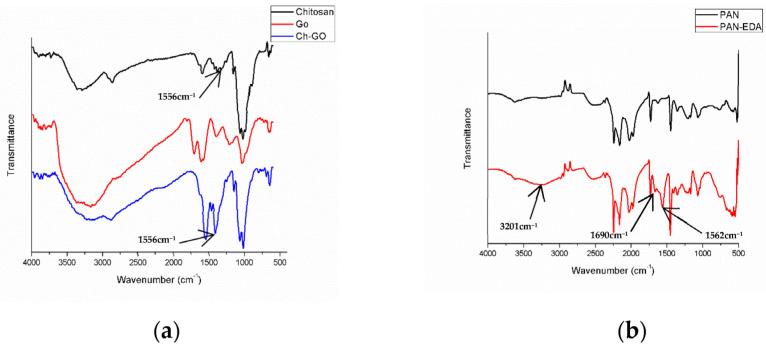
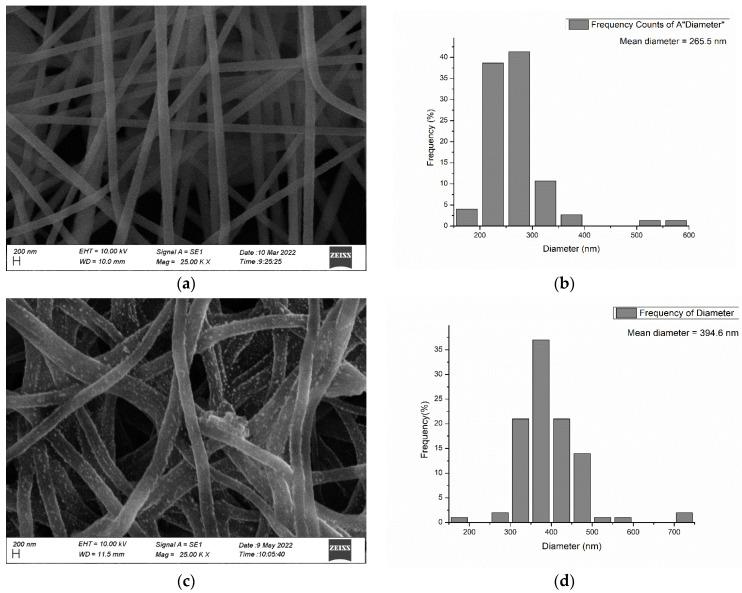
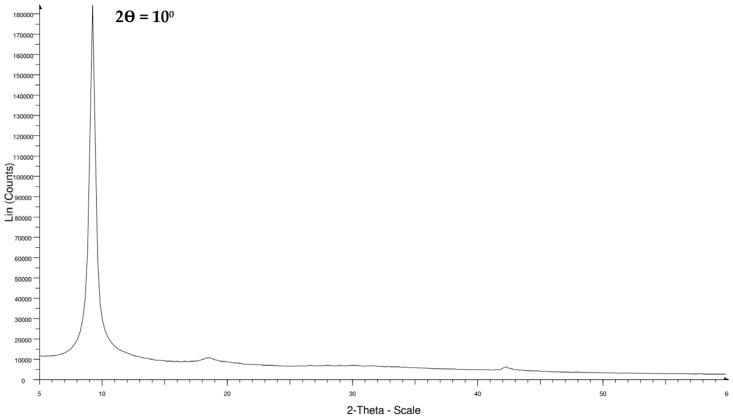
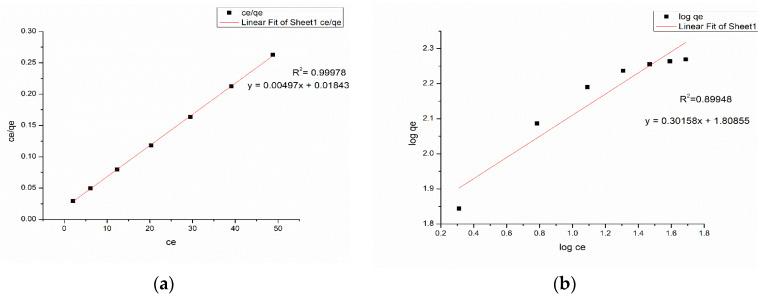
Textile wastewater accommodates many toxic organic contaminants that could potentially threaten the ecosystem if left untreated. Methylene blue is a toxic, non-biodegradable, cationic dye that is reportedly observed in significant amounts in the textile effluent stream as it is widely used to dye silk and cotton fabrics. Congo red is a carcinogenic anionic dye commonly used in the textile industry. This study reports an investigation of methylene blue and Congo red removal using a chitosan-graphene oxide dip-coated electrospun nanofiber membrane. The fabricated nanocomposite was characterized using Scanning Electron Microscopy (SEM), FT-IR Spectroscopy, Raman Spectroscopy, UV-vis Spectroscopy, Drop Shape Analyzer, and X-ray Diffraction. The isotherm modeling confirmed a maximum adsorptive capacity of 201 mg/g for methylene blue and 152 mg/g for Congo red, which were well fitted with a Langmuir isotherm model indicating homogenous monolayer adsorption.
纺织废水含有许多有毒有机污染物,如果未经处理,可能会对生态系统构成潜在威胁。亚甲基蓝是一种有毒、不可生物降解的阳离子染料,据报道,由于它被广泛用于丝绸和棉织物染色,在纺织废水流中大量存在。刚果红是纺织工业中常用的一种致癌阴离子染料。本研究报告了使用壳聚糖-氧化石墨烯双涂层电纺纳米纤维膜去除亚甲基蓝和刚果红的研究。使用扫描电子显微镜(SEM)、傅里叶变换红外光谱(FT-IR)、拉曼光谱、紫外可见光谱、液滴形状分析仪和X射线衍射对制备的纳米复合材料进行了表征。等温线模型证实,亚甲基蓝的最大吸附容量为201mg/g,刚果红的最大吸附容量为152mg/g,这与朗缪尔等温线模型拟合良好,表明为均匀单层吸附。









 Zotero 插件