
一种基于 CSK/QAM 可见光通信和机器学习的新型 COVID-19 检测方法。
A New COVID-19 Detection Method Based on CSK/QAM Visible Light Communication and Machine Learning.
机构信息
CIMTT, Department of Electrical Engineering, Universidad de Santiago de Chile, Santiago 9170124, Chile.
Department of Electrical Engineering, Universidad de Chile, Santiago 8370451, Chile.
出版信息
Sensors (Basel). 2023 Jan 30;23(3):1533. doi: 10.3390/s23031533.
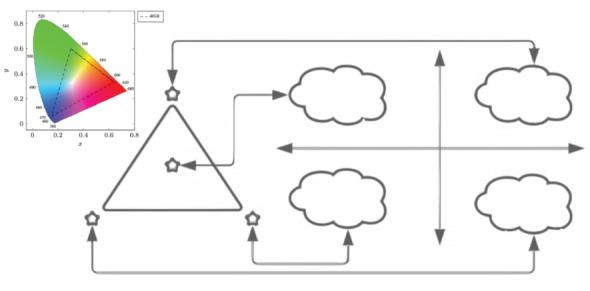
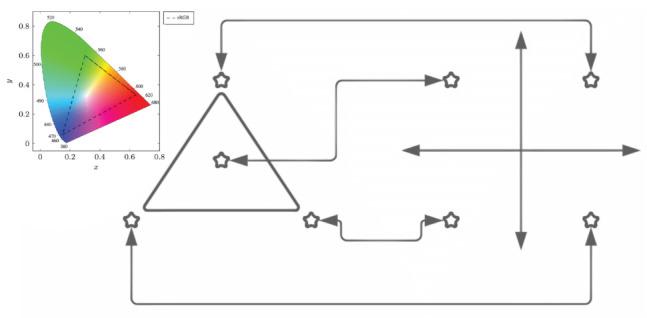
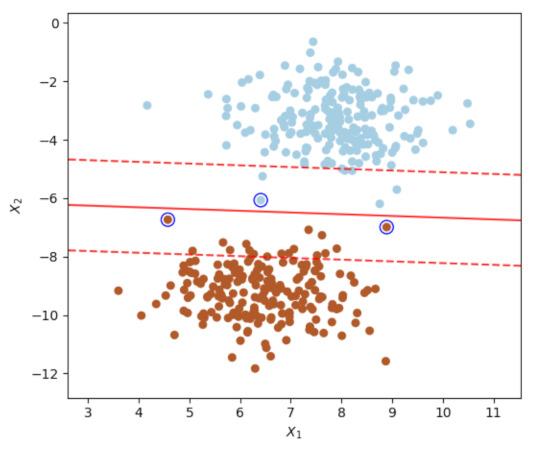
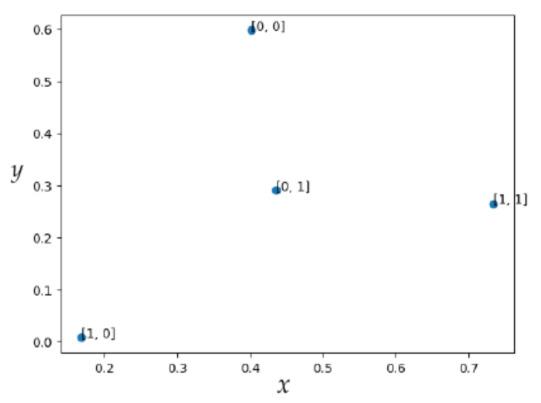
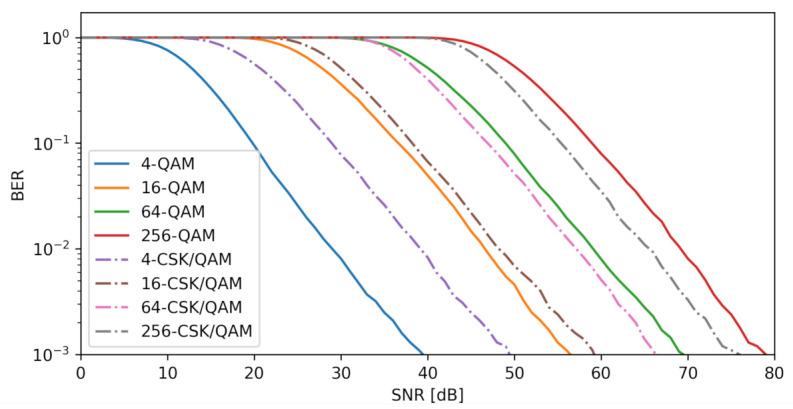
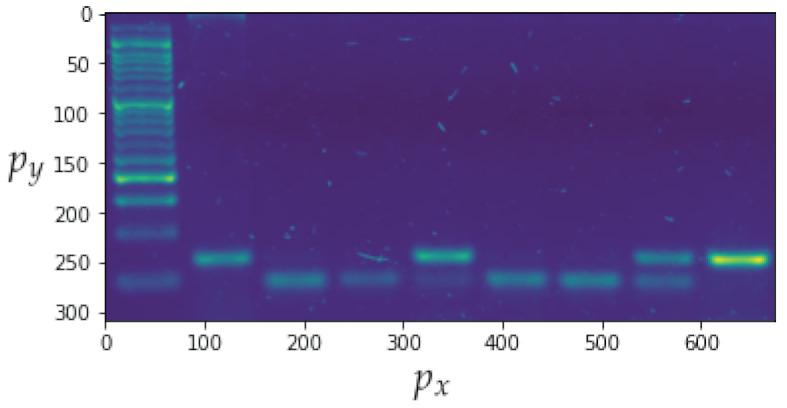
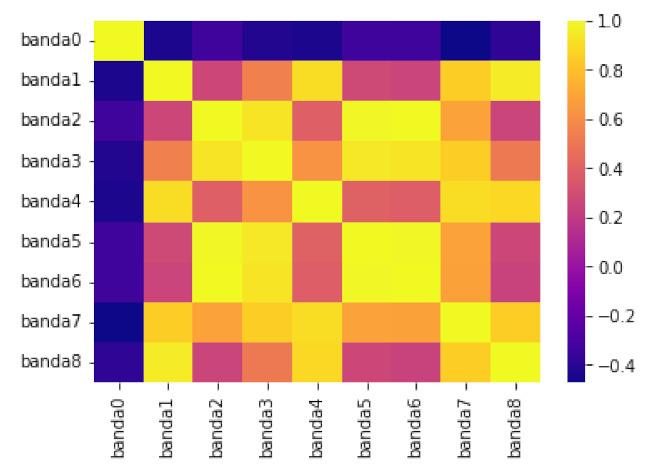
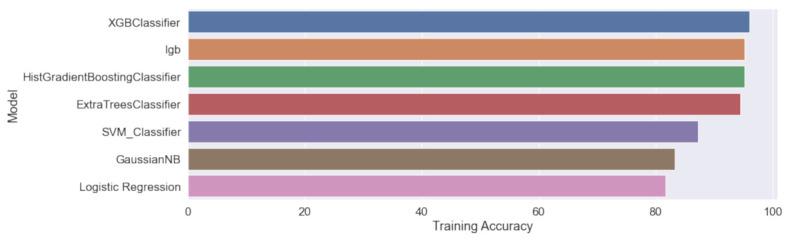
This article proposes a novel method for detecting coronavirus disease 2019 (COVID-19) in an underground channel using visible light communication (VLC) and machine learning (ML). We present mathematical models of COVID-19 Deoxyribose Nucleic Acid (DNA) gene transfer in regular square constellations using a CSK/QAM-based VLC system. ML algorithms are used to classify the bands present in each electrophoresis sample according to whether the band corresponds to a positive, negative, or ladder sample during the search for the optimal model. Complexity studies reveal that the square constellation N=22i×22i,(i=3) yields a greater profit. Performance studies indicate that, for BER = 10-3, there are gains of -10 [dB], -3 [dB], 3 [dB], and 5 [dB] for N=22i×22i,(i=0,1,2,3), respectively. Based on a total of 630 COVID-19 samples, the best model is shown to be XGBoots, which demonstrated an accuracy of 96.03%, greater than that of the other models, and a recall of 99% for positive values.
本文提出了一种利用可见光通信(VLC)和机器学习(ML)在地下通道检测 2019 年冠状病毒病(COVID-19)的新方法。我们提出了一种基于 CSK/QAM 的 VLC 系统,用于在规则正方形星座中转移 COVID-19 脱氧核糖核酸(DNA)的数学模型。使用 ML 算法对每个电泳样本中的波段进行分类,根据波段在搜索最优模型时是否对应阳性、阴性或梯级样本进行分类。复杂度研究表明,N=22i×22i,(i=3)的正方形星座获得的收益更大。性能研究表明,对于误码率(BER)=10-3,N=22i×22i,(i=0、1、2、3)的增益分别为-10 [dB]、-3 [dB]、3 [dB]和 5 [dB]。基于总共 630 个 COVID-19 样本,结果表明,最佳模型是 XGBoots,其准确率为 96.03%,高于其他模型,阳性值的召回率为 99%。







 Zotero 插件