
适应极端工业环境的可自适应、无监督的 TinyML 异常检测系统。
An Adaptable and Unsupervised TinyML Anomaly Detection System for Extreme Industrial Environments.
机构信息
Fondazione Bruno Kessler, Via Sommarive 18, 38123 Trento, Italy.
出版信息
Sensors (Basel). 2023 Feb 20;23(4):2344. doi: 10.3390/s23042344.
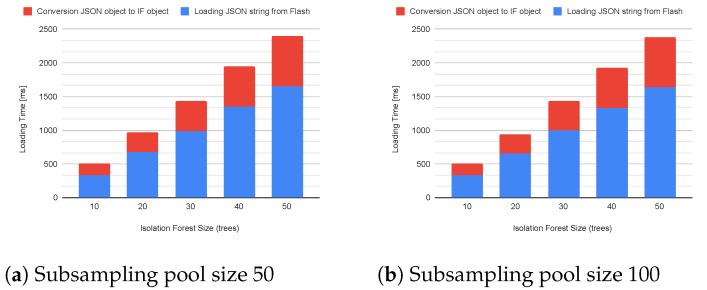
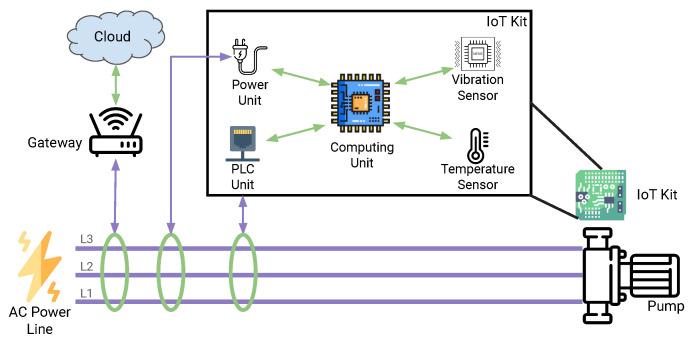
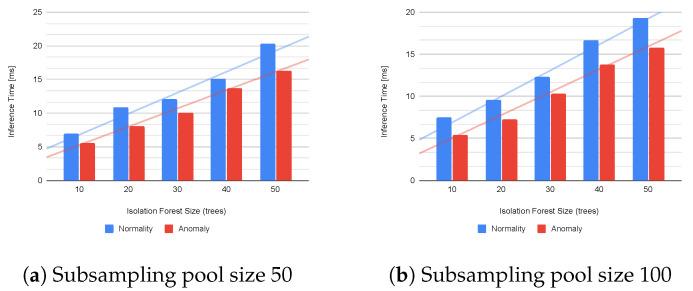
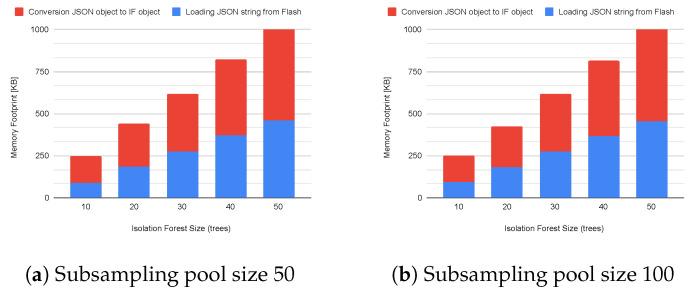
Industrial assets often feature multiple sensing devices to keep track of their status by monitoring certain physical parameters. These readings can be analyzed with machine learning (ML) tools to identify potential failures through anomaly detection, allowing operators to take appropriate corrective actions. Typically, these analyses are conducted on servers located in data centers or the cloud. However, this approach increases system complexity and is susceptible to failure in cases where connectivity is unavailable. Furthermore, this communication restriction limits the approach's applicability in extreme industrial environments where operating conditions affect communication and access to the system. This paper proposes and evaluates an end-to-end adaptable and configurable anomaly detection system that uses the Internet of Things (IoT), edge computing, and Tiny-MLOps methodologies in an extreme industrial environment such as submersible pumps. The system runs on an IoT sensing Kit, based on an ESP32 microcontroller and MicroPython firmware, located near the data source. The processing pipeline on the sensing device collects data, trains an anomaly detection model, and alerts an external gateway in the event of an anomaly. The anomaly detection model uses the isolation forest algorithm, which can be trained on the microcontroller in just 1.2 to 6.4 s and detect an anomaly in less than 16 milliseconds with an ensemble of 50 trees and 80 KB of RAM. Additionally, the system employs blockchain technology to provide a transparent and irrefutable repository of anomalies.
工业资产通常配备多个感测设备,通过监测某些物理参数来跟踪其状态。这些读数可以通过机器学习 (ML) 工具进行分析,通过异常检测来识别潜在的故障,从而使操作人员能够采取适当的纠正措施。通常,这些分析是在位于数据中心或云端的服务器上进行的。然而,这种方法增加了系统的复杂性,并且在连接不可用时容易出现故障。此外,这种通信限制限制了该方法在极端工业环境中的适用性,在这些环境中,操作条件会影响通信和对系统的访问。本文提出并评估了一种端到端的自适应和可配置的异常检测系统,该系统在潜水栗等极端工业环境中使用物联网 (IoT)、边缘计算和 Tiny-MLOps 方法。该系统在物联网感测套件上运行,该套件基于 ESP32 微控制器和 MicroPython 固件,位于数据源附近。感测设备上的处理管道收集数据、训练异常检测模型,并在发生异常时向外部网关发出警报。异常检测模型使用隔离森林算法,该算法可以在微控制器上仅用 1.2 到 6.4 秒进行训练,并在使用 50 棵树和 80KB RAM 的集合的情况下,在不到 16 毫秒的时间内检测到异常。此外,该系统还采用区块链技术提供异常的透明且不可辩驳的存储库。



 Zotero 插件