
彩色可变双染光动力抗菌聚对苯二甲酸乙二醇酯(PET)/棉混纺面料。
Color-variable dual-dyed photodynamic antimicrobial polyethylene terephthalate (PET)/cotton blended fabrics.
机构信息
School of Optical and Electronic Information, Suzhou City University, Suzhou, Jiangsu, 215104, China.
Department of Biological Sciences, North Carolina State University, Raleigh, NC, 27695, USA.
出版信息
Photochem Photobiol Sci. 2023 Jul;22(7):1573-1590. doi: 10.1007/s43630-023-00398-1. Epub 2023 Mar 10.
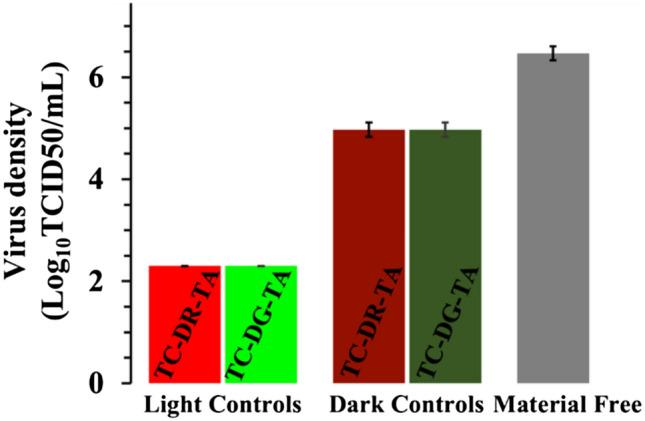
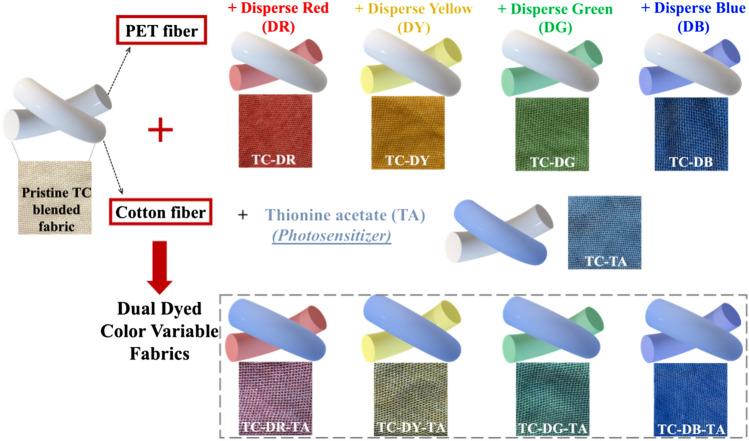
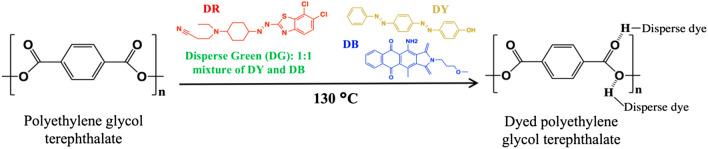
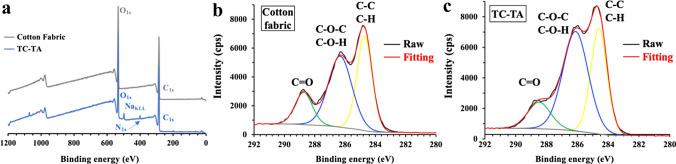
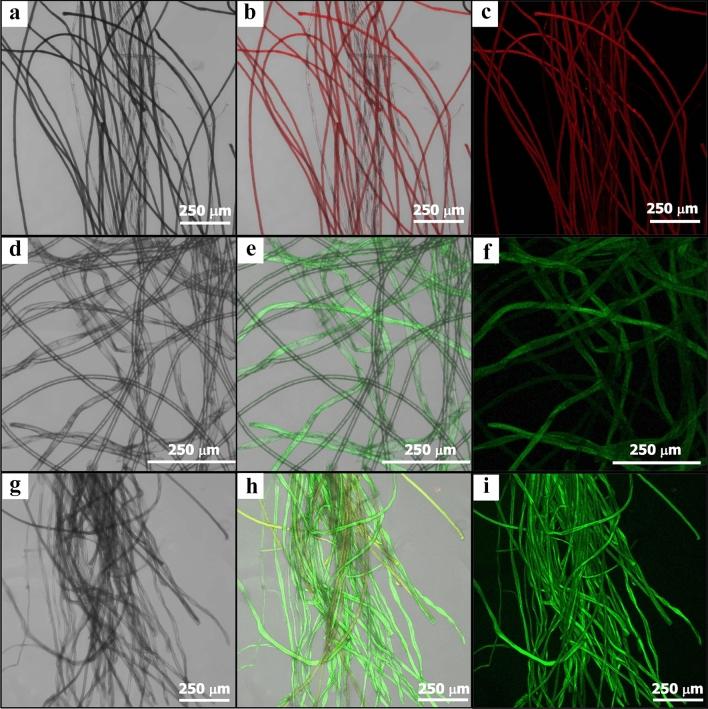
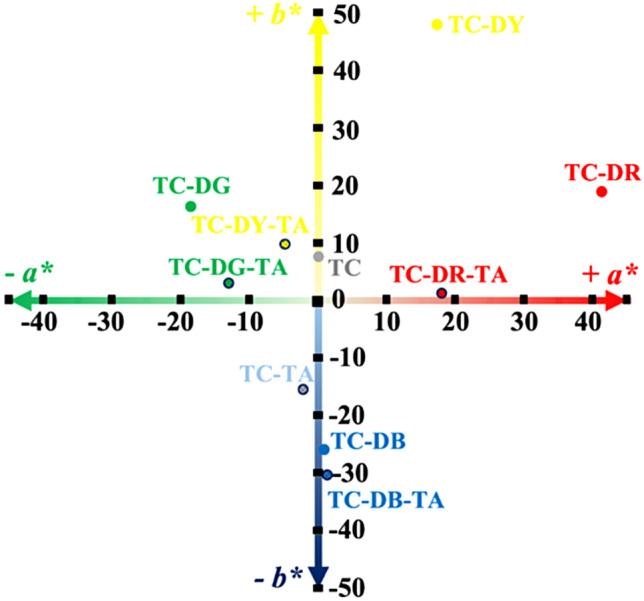
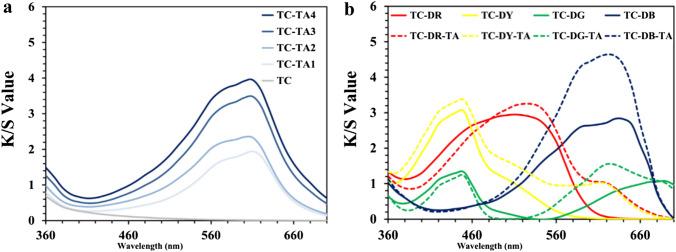
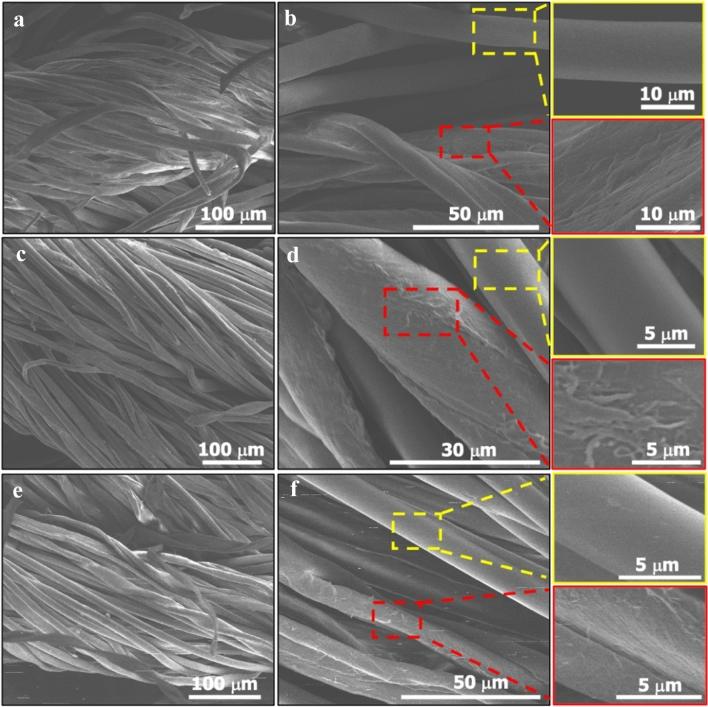
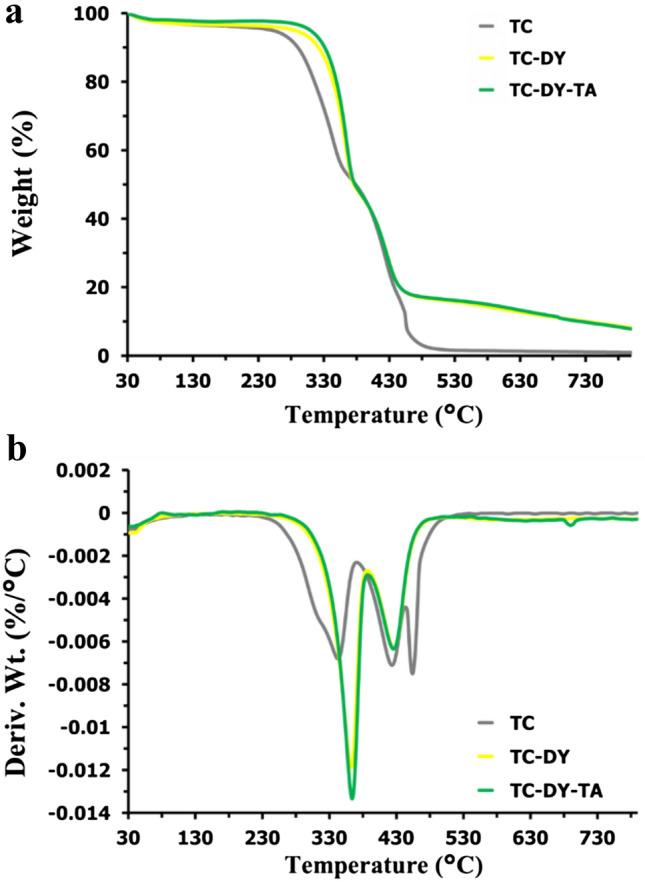
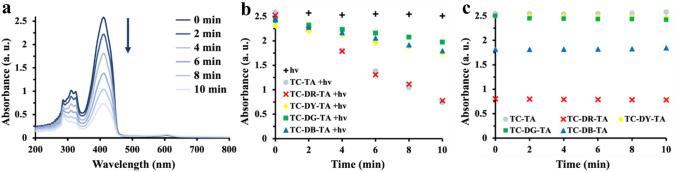
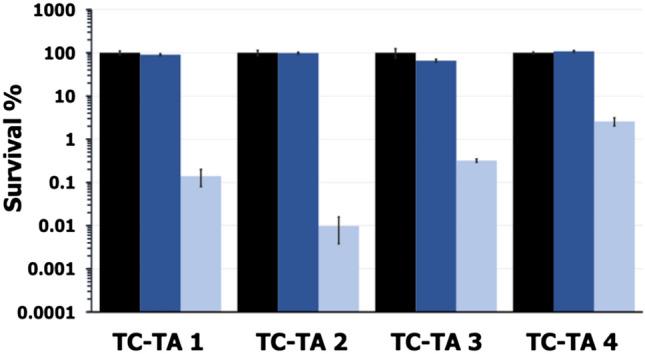
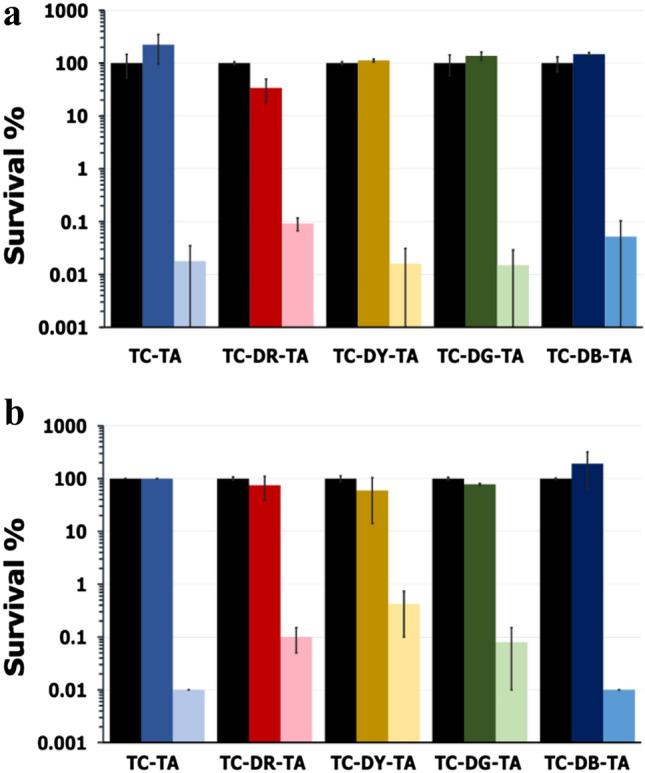
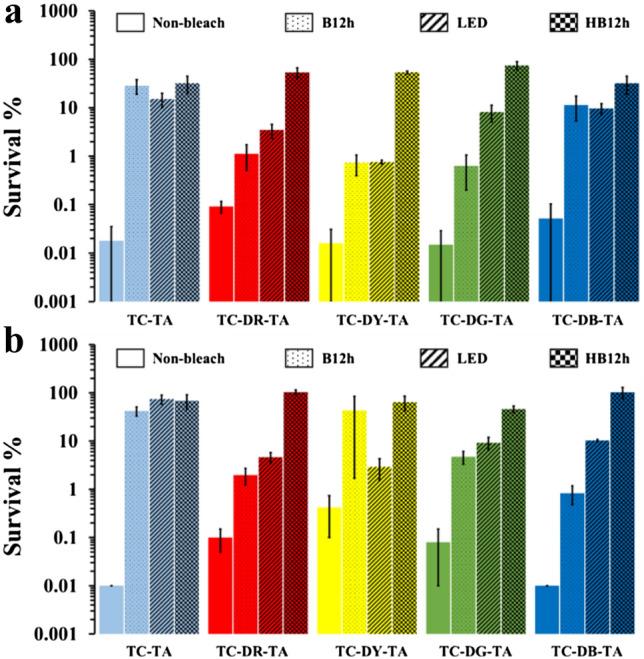
The urgent demand for scalable, potent, color variable, and comfortable antimicrobial textiles as personal protection equipment (PPE) to help reduce infection transmission in hospitals and healthcare facilities has significantly increased since the start of the COVID-19 pandemic. Here, we explored photodynamic antimicrobial polyethylene terephthalate/cotton (TC) blended fabrics comprised of photosensitizer-conjugated cotton fibers and polyethylene terephthalate (PET) fibers dyed with disperse dyes. A small library of TC blended fabrics was constructed wherein the PET fibers were embedded with traditional disperse dyes dominating the fabric color, thereby enabling variable color expression, while the cotton fibers were covalently coupled with the photosensitizer thionine acetate as the microbicidal agent. Physical (SEM, CLSM, TGA, XPS and mechanical strength) and colorimetric (K/S and CIELab values) characterization methods were employed to investigate the resultant fabrics, and photooxidation studies with DPBF demonstrated the ability of these materials to generate reactive oxygen species (i.e., singlet oxygen) upon visible light illumination. The best results demonstrated a photodynamic inactivation of 99.985% (~ 3.82 log unit reduction, P = 0.0021) against Gram-positive S. aureus, and detection limit inactivation (99.99%, 4 log unit reduction, P ≤ 0.0001) against Gram-negative E. coli upon illumination with visible light (60 min; ~ 300 mW/cm; λ ≥ 420 nm). Enveloped human coronavirus 229E showed a photodynamic susceptibility of ~ 99.99% inactivation after 60 min illumination (400-700 nm, 65 ± 5 mW/cm). The presence of the disperse dyes on the fabrics showed no significant effects on the aPDI results, and furthermore, appeared to provide the photosensitizer with some measure of protection from photobleaching, thus improving the photostability of the dual-dyed fabrics. Taken together, these results suggest the feasibility of low cost, scalable and color variable thionine-conjugated TC blended fabrics as potent self-disinfecting textiles.
自 COVID-19 大流行开始以来,作为帮助减少医院和医疗保健设施中感染传播的个人防护设备 (PPE),人们对可扩展、有效、颜色可变且舒适的抗菌纺织品的需求急剧增加。在这里,我们探索了由光敏剂修饰的棉纤维和用分散染料染色的聚对苯二甲酸乙二醇酯 (PET) 纤维组成的光动力抗菌聚对苯二甲酸乙二醇酯/棉 (TC) 混纺织物。构建了一个 TC 混纺织物的小文库,其中 PET 纤维嵌入了主导织物颜色的传统分散染料,从而能够实现可变的颜色表达,而棉纤维则与光敏剂硫代乙酸盐通过共价键结合作为杀菌剂。采用物理(SEM、CLSM、TGA、XPS 和机械强度)和比色(K/S 和 CIELab 值)表征方法对所得织物进行了研究,并用 DPBF 进行的光氧化研究表明,这些材料在可见光照射下能够产生活性氧物质(即单线态氧)。最佳结果表明,对革兰氏阳性金黄色葡萄球菌的光动力失活率为 99.985%(3.82 对数单位减少,P=0.0021),对革兰氏阴性大肠杆菌的检测限失活率为 99.99%(4 对数单位减少,P≤0.0001)可见光照射下(60 分钟;300 mW/cm;λ≥420nm)。包膜的人冠状病毒 229E 在 60 分钟光照(400-700nm,65±5mW/cm)后表现出约 99.99%的光动力敏感性。织物上存在分散染料对 aPDI 结果没有明显影响,并且似乎为光敏剂提供了一定程度的保护,防止光漂白,从而提高了双染织物的光稳定性。综上所述,这些结果表明,低成本、可扩展且颜色可变的硫代乙酸盐修饰的 TC 混纺织物作为有效的自消毒纺织品具有可行性。

 Zotero 插件