
植物化学物质和肠道微生物群在临床前小鼠模型中的动脉粥样硬化中的作用。
The Role of Phytochemicals and Gut Microbiome in Atherosclerosis in Preclinical Mouse Models.
机构信息
Department of Biomedical Sciences, Florida State University, Tallahassee, FL 32306, USA.
Department of Nutrition and Integrative Physiology, Florida State University, Tallahassee, FL 32306, USA.
出版信息
Nutrients. 2023 Feb 28;15(5):1212. doi: 10.3390/nu15051212.
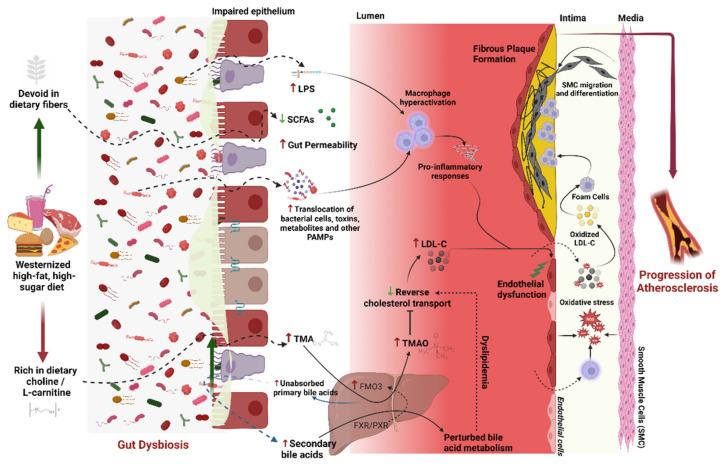
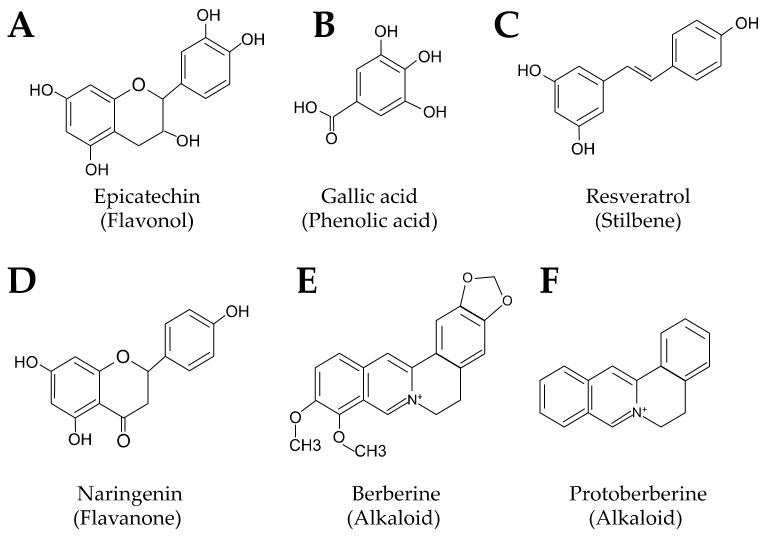
Gut microbiome alterations have recently been linked to many chronic conditions including cardiovascular disease (CVD). There is an interplay between diet and the resident gut microbiome, where the food eaten affects populations of certain microbes. This is important, as different microbes are associated with various pathologies, as they can produce compounds that are disease-promoting or disease-protecting. The Western diet negatively affects the host gut microbiome, ultimately resulting in heightened arterial inflammation and cell phenotype changes as well as plaque accumulation in the arteries. Nutritional interventions including whole foods rich in fiber and phytochemicals as well as isolated compounds including polyphenols and traditional medicinal plants show promise in positively influencing the host gut microbiome to alleviate atherosclerosis. This review investigates the efficacy of a vast array of foods and phytochemicals on host gut microbes and atherosclerotic burden in mice. Reduction in plaque by interventions was associated with increases in bacterial diversity, reduction in the / (F/B) ratio, and upregulation of Upregulation in CYP7 isoform in the liver, ABC transporters, bile acid excretion, and the level of acetic acid, propionic acid, and butyric acid were also noted in several studies reducing plaque. These changes were also associated with attenuated inflammation and oxidative stress. In conclusion, an increase in the abundance of with diets rich in polyphenols, fiber, and grains is likely to reduce plaque burden in patients suffering from CVD.
肠道微生物组的改变最近与许多慢性疾病有关,包括心血管疾病 (CVD)。饮食和肠道常驻微生物组之间存在相互作用,所吃的食物会影响某些微生物的种群。这很重要,因为不同的微生物与各种病理学有关,因为它们可以产生促进疾病或保护疾病的化合物。西方饮食会对宿主肠道微生物组产生负面影响,最终导致动脉炎症加剧、细胞表型改变以及动脉斑块堆积。包括富含纤维和植物化学物质的全食物以及包括多酚和传统药用植物在内的分离化合物在内的营养干预措施,有望积极影响宿主肠道微生物组,以减轻动脉粥样硬化。本综述研究了大量食物和植物化学物质对宿主肠道微生物和小鼠动脉粥样硬化负担的功效。干预措施减少斑块与细菌多样性增加、/(F/B)比值降低以及肝脏中 CYP7 同工型上调相关,在一些减少斑块的研究中还注意到 ABC 转运蛋白、胆汁酸排泄和乙酸、丙酸和丁酸水平上调。这些变化也与炎症和氧化应激的减弱有关。总之,富含多酚、纤维和谷物的饮食增加 丰度可能会降低 CVD 患者的斑块负担。


 Zotero 插件