
由于 ALS4 基因扩增,导致耳念珠菌临床分离株黏附力和生物膜形成增强。
Clinical isolates of Candida auris with enhanced adherence and biofilm formation due to genomic amplification of ALS4.
机构信息
Shanghai Institute of Infectious Disease and Biosecurity, Department of infectious diseases, Huashan Hospital and State Key Laboratory of Genetic Engineering, School of Life Sciences, Fudan University, Shanghai, China.
Shanghai Engineering Research Center of Industrial Microorganisms, Shanghai, China.
出版信息
PLoS Pathog. 2023 Mar 13;19(3):e1011239. doi: 10.1371/journal.ppat.1011239. eCollection 2023 Mar.
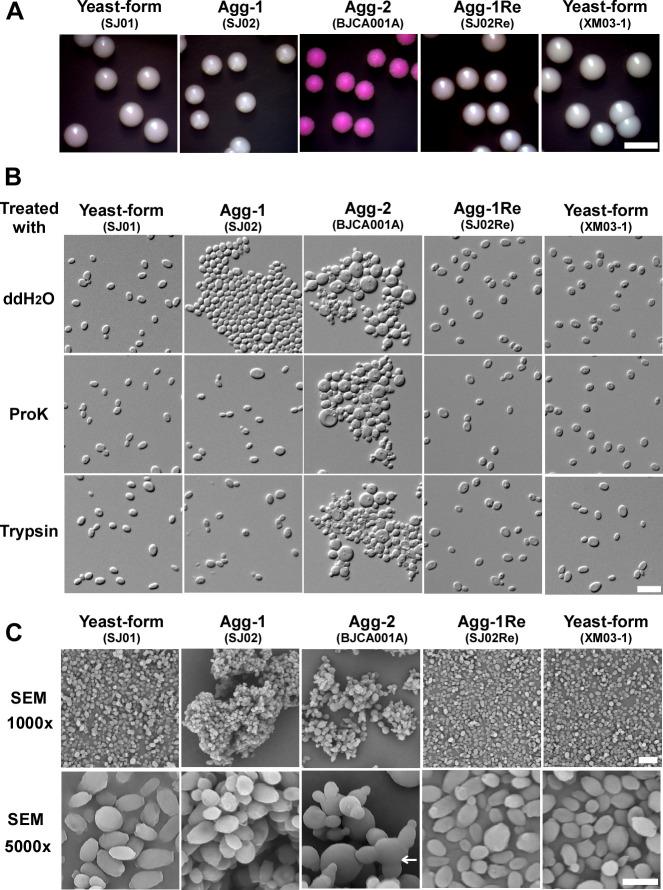
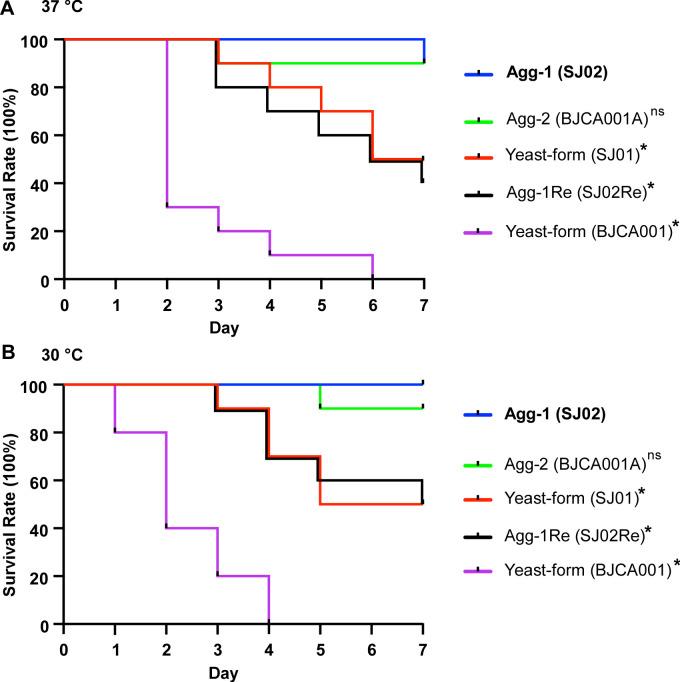
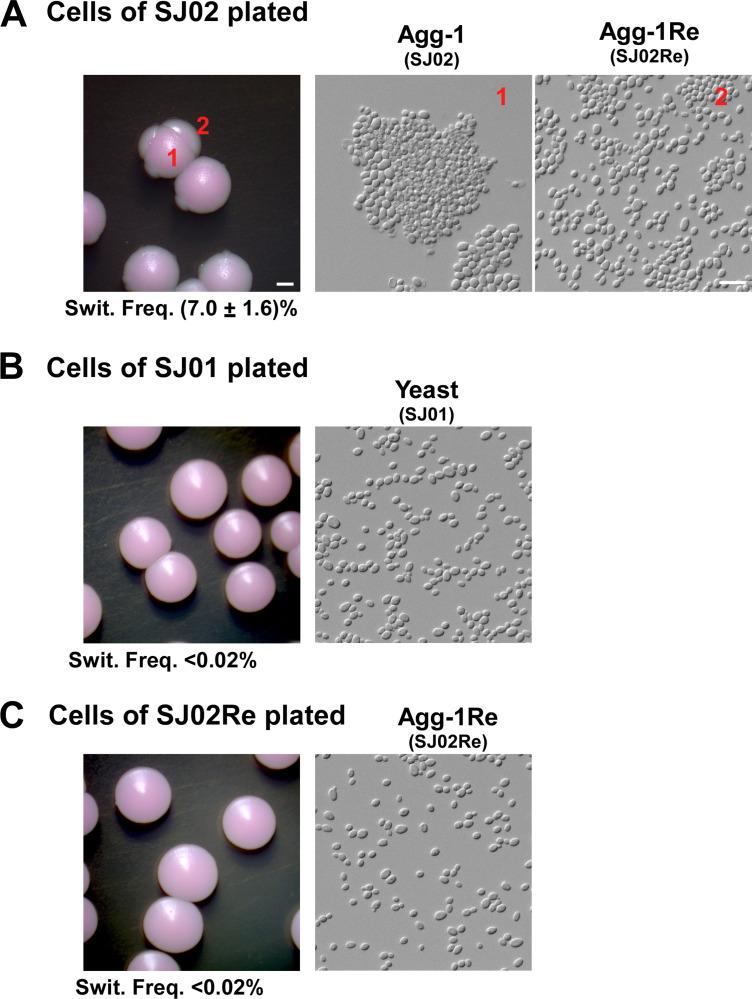
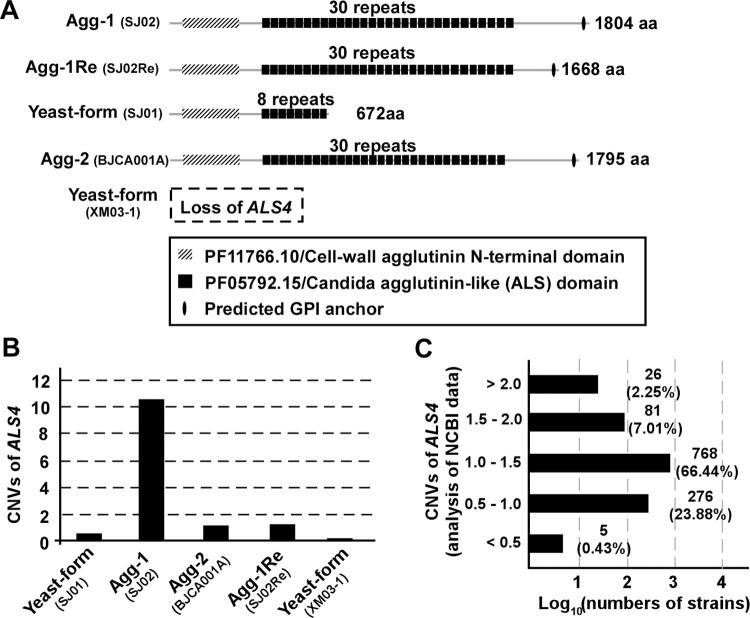
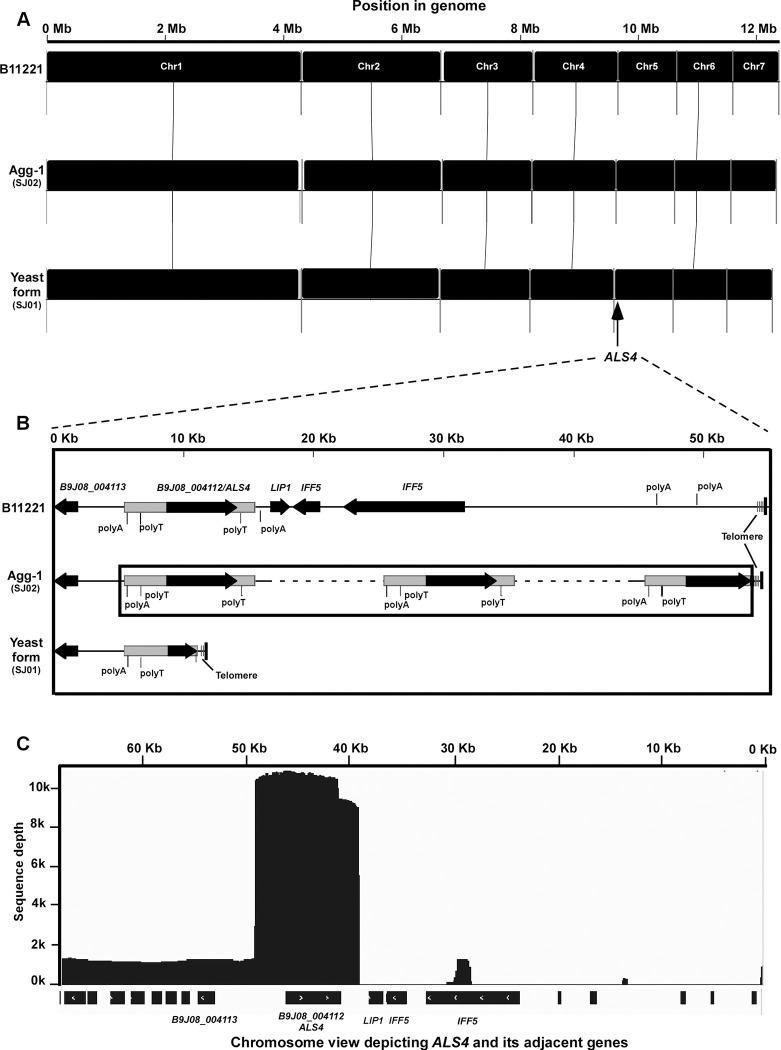
Candida auris is an emerging multidrug-resistant fungal pathogen and a new global threat to human health. A unique morphological feature of this fungus is its multicellular aggregating phenotype, which has been thought to be associated with defects in cell division. In this study, we report a new aggregating form of two clinical C. auris isolates with increased biofilm forming capacity due to enhanced adherence of adjacent cells and surfaces. Unlike the previously reported aggregating morphology, this new aggregating multicellular form of C. auris can become unicellular after treatment with proteinase K or trypsin. Genomic analysis demonstrated that amplification of the subtelomeric adhesin gene ALS4 is the reason behind the strain's enhanced adherence and biofilm forming capacities. Many clinical isolates of C. auris have variable copy numbers of ALS4, suggesting that this subtelomeric region exhibits instability. Global transcriptional profiling and quantitative real-time PCR assays indicated that genomic amplification of ALS4 results in a dramatic increase in overall levels of transcription. Compared to the previously characterized nonaggregative/yeast-form and aggregative-form strains of C. auris, this new Als4-mediated aggregative-form strain of C. auris displays several unique characteristics in terms of its biofilm formation, surface colonization, and virulence.
耳念珠菌是一种新兴的、具有多重耐药性的真菌病原体,也是人类健康的一种新的全球性威胁。这种真菌的一个独特的形态特征是其多细胞聚集表型,这被认为与细胞分裂缺陷有关。在这项研究中,我们报告了两种临床耳念珠菌分离株的一种新的聚集形式,由于相邻细胞和表面的粘附增强,其生物膜形成能力增强。与以前报道的聚集形态不同,这种新的聚集的耳念珠菌多细胞形式在用蛋白酶 K 或胰蛋白酶处理后可以变成单细胞。基因组分析表明,端粒黏附素基因 ALS4 的扩增是菌株增强粘附和生物膜形成能力的原因。许多临床耳念珠菌分离株的 ALS4 拷贝数不同,表明这个端粒区域不稳定。全基因组转录组分析和定量实时 PCR 分析表明,ALS4 的基因组扩增导致转录水平的整体显著增加。与以前表征的非聚集/酵母形式和聚集形式的耳念珠菌菌株相比,这种新的 Als4 介导的聚集形式的耳念珠菌在生物膜形成、表面定植和毒力方面表现出一些独特的特征。





 Zotero 插件