
载银纳米粒子 TiO2 纳米管阵列表面的电化学和生物学性能的表征与研究。
Characterization and investigation of electrochemical and biological properties of antibacterial silver nanoparticle-deposited TiO nanotube array surfaces.
机构信息
Industrial Engineering, Giresun University, Faculty of Engineering, 28200, Giresun, Turkey.
Department of Biology, Giresun University, Faculty of Science, 28200, Giresun, Turkey.
出版信息
Sci Rep. 2023 Mar 22;13(1):4699. doi: 10.1038/s41598-023-31937-6.
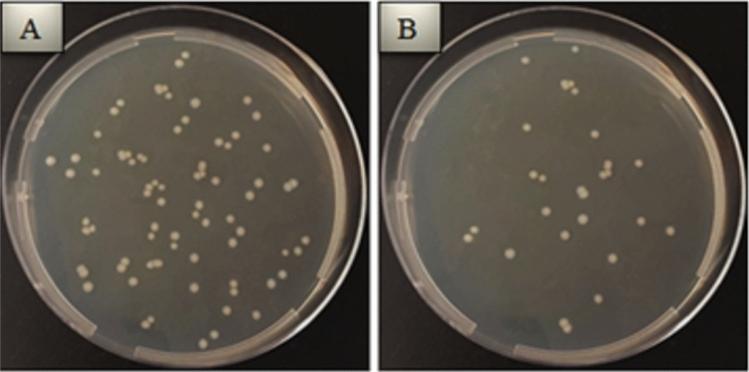
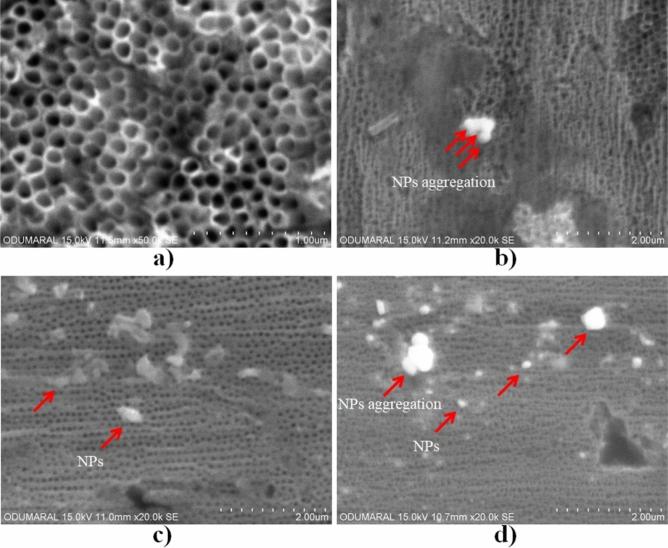
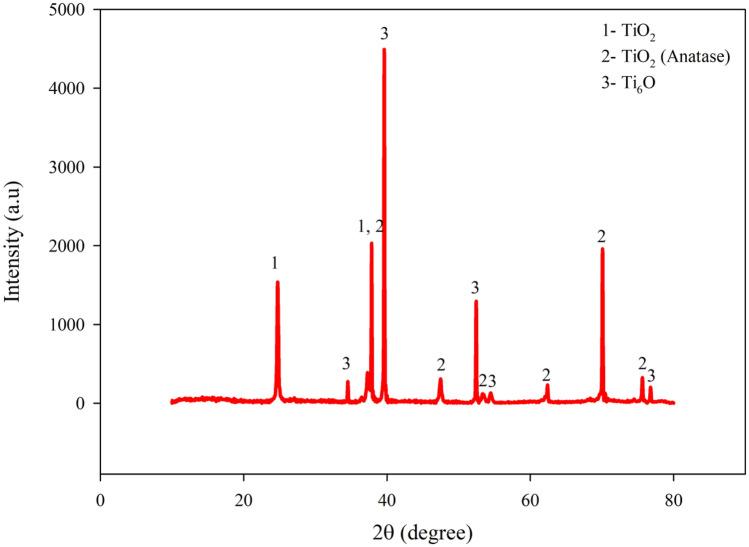
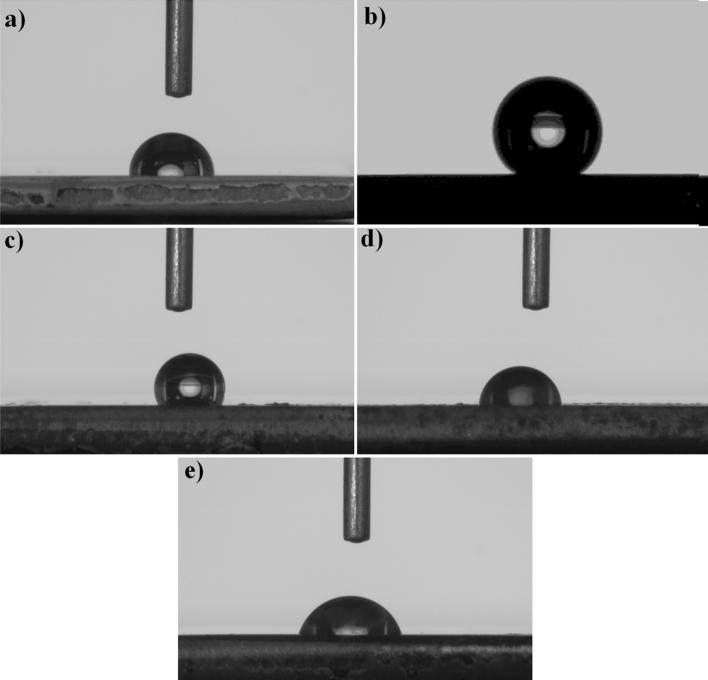
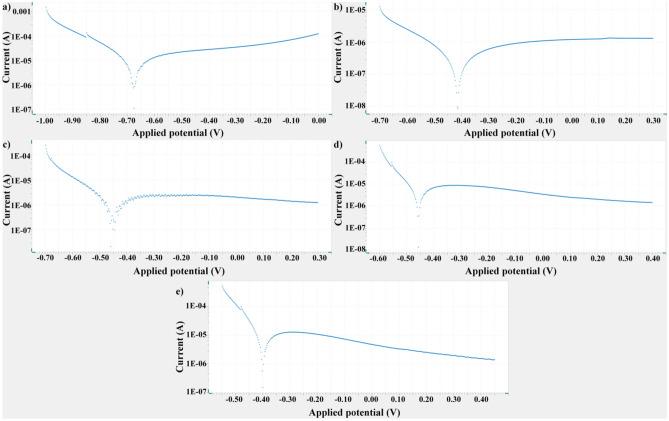
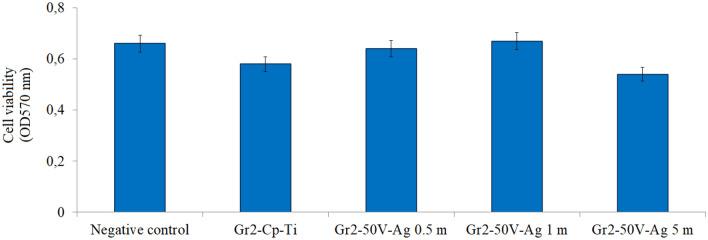
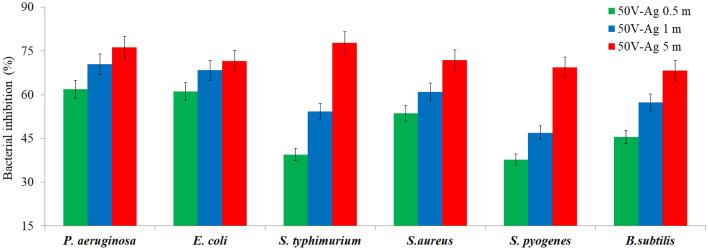
The one of main reasons of the premature failure of Ti-based implants is infections. The metal- and metal oxide-based nanoparticles have very high potential on controlling of infections. In this work, the randomly distributed AgNPs-deposited onto well-ordered TiO nanotube surfaces were fabricated on titanium by anodic oxidation (AO) and electrochemical deposition (ED) processes. AgNPs-deposited nanotube surfaces, which is beneficial for bone tissue growth exhibited hydrophilic behaviors. Moreover, the AgNPs-deposited nanotube surfaces, which prevent the leaching of metallic Ti ions from the implant surface, indicated great corrosion resistance under SBF conditions. The electrochemical corrosion resistance of AgNPs-deposited nanotube surfaces was improved up to about 145% compared to bare Gr2 surface. The cell viability of AgNPs-deposited nanotube surfaces was improved. Importantly, the AgNPs-deposited nanotube surfaces exhibited antibacterial activity for Gram-positive and Gram-negative bacteria. Eventually, it can be concluded that the AgNPs-deposited nanotube surfaces possess high stability for long-term usage of implant applications.
钛基植入物过早失效的一个主要原因是感染。基于金属和金属氧化物的纳米粒子在控制感染方面具有很高的潜力。在这项工作中,通过阳极氧化(AO)和电化学沉积(ED)工艺在钛上制备了随机分布的 AgNPs 沉积在有序 TiO 纳米管表面上。AgNPs 沉积的纳米管表面有利于骨组织生长,表现出亲水性。此外,AgNPs 沉积的纳米管表面阻止了金属 Ti 离子从植入物表面浸出,在 SBF 条件下显示出优异的耐腐蚀性。与裸 Gr2 表面相比,AgNPs 沉积的纳米管表面的电化学腐蚀阻力提高了约 145%。AgNPs 沉积的纳米管表面的细胞活力得到提高。重要的是,AgNPs 沉积的纳米管表面对革兰氏阳性菌和革兰氏阴性菌均表现出抗菌活性。最终可以得出结论,AgNPs 沉积的纳米管表面具有长期植入应用的高稳定性。


 Zotero 插件