
新西兰农村地区儿科成像与建模研究路线图。
Roadmap for an imaging and modelling paediatric study in rural NZ.
作者信息
Kumar Haribalan, Green Robby, Cornfeld Daniel M, Condron Paul, Emsden Taylor, Elsayed Ayah, Zhao Debbie, Gilbert Kat, Nash Martyn P, Clark Alys R, Tawhai Merryn H, Burrowes Kelly, Murphy Rinki, Tayebi Maryam, McGeown Josh, Kwon Eryn, Shim Vickie, Wang Alan, Choisne Julie, Carman Laura, Besier Thor, Handsfield Geoffrey, Babarenda Gamage Thiranja Prasad, Shen Jiantao, Maso Talou Gonzalo, Safaei Soroush, Maller Jerome J, Taylor Davidson, Potter Leigh, Holdsworth Samantha J, Wilson Graham A
机构信息
Mātai Medical Research Institute, Gisborne, New Zealand.
Auckland Bioengineering Institute, University of Auckland, Auckland, New Zealand.
出版信息
Front Physiol. 2023 Mar 10;14:1104838. doi: 10.3389/fphys.2023.1104838. eCollection 2023.
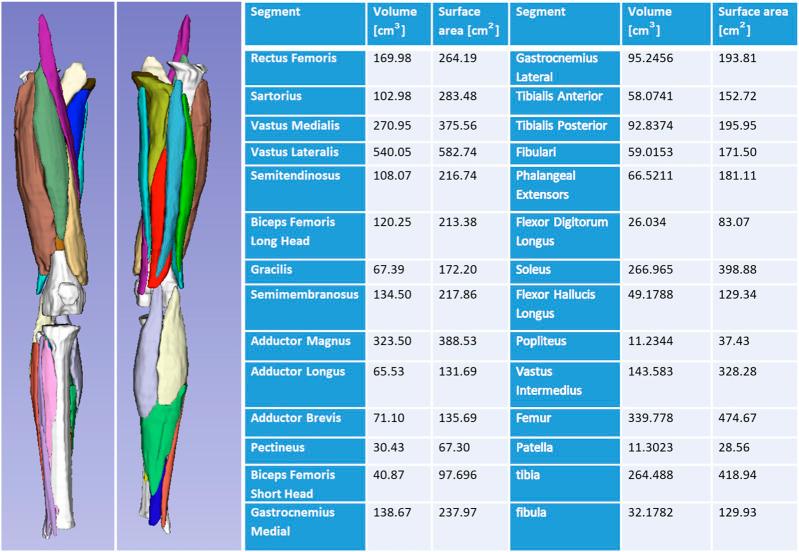
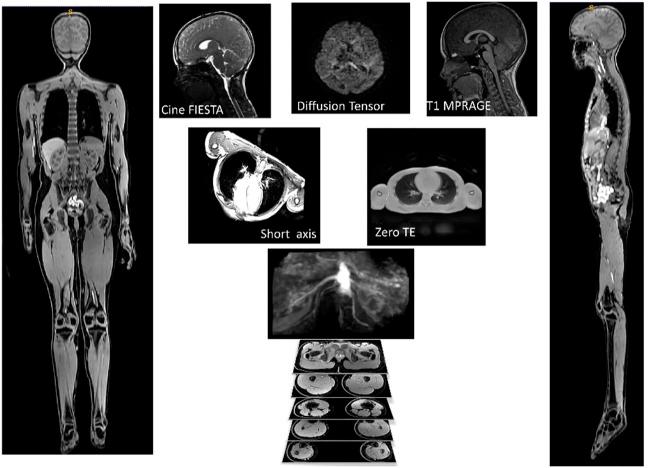
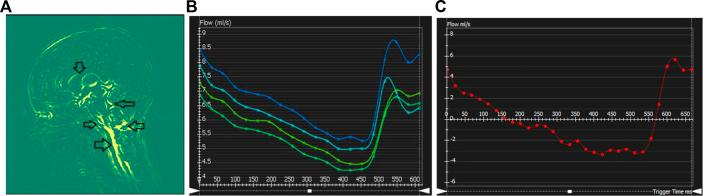
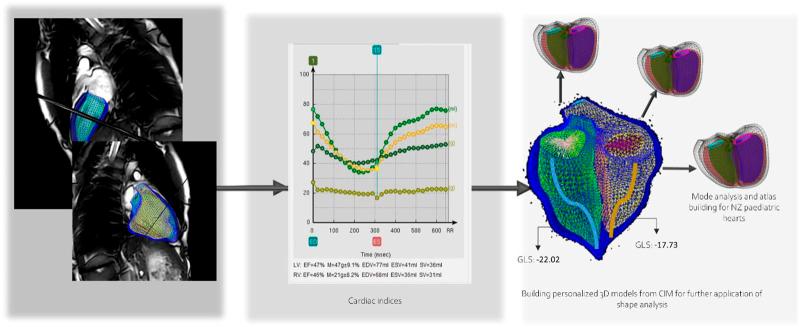
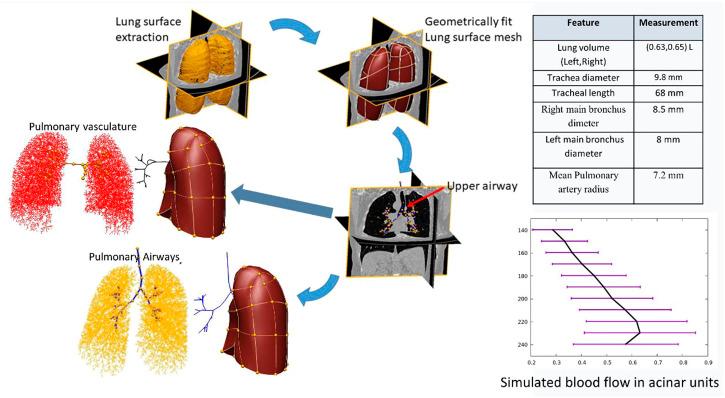
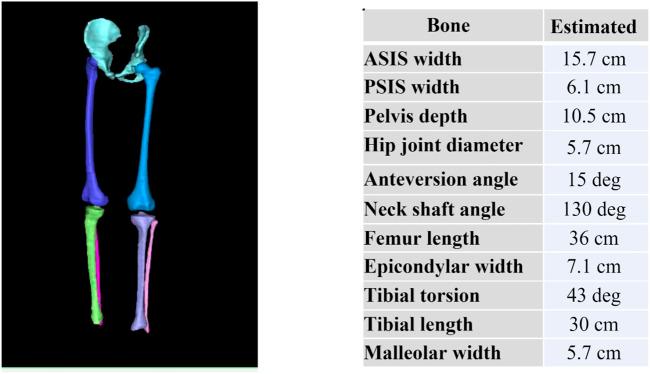
Our study methodology is motivated from three disparate needs: one, imaging studies have existed in silo and study organs but not across organ systems; two, there are gaps in our understanding of paediatric structure and function; three, lack of representative data in New Zealand. Our research aims to address these issues in part, through the combination of magnetic resonance imaging, advanced image processing algorithms and computational modelling. Our study demonstrated the need to take an organ-system approach and scan multiple organs on the same child. We have pilot tested an imaging protocol to be minimally disruptive to the children and demonstrated state-of-the-art image processing and personalized computational models using the imaging data. Our imaging protocol spans brain, lungs, heart, muscle, bones, abdominal and vascular systems. Our initial set of results demonstrated child-specific measurements on one dataset. This work is novel and interesting as we have run multiple computational physiology workflows to generate personalized computational models. Our proposed work is the first step towards achieving the integration of imaging and modelling improving our understanding of the human body in paediatric health and disease.
我们的研究方法源于三个不同的需求
其一,影像学研究一直各自为政,专注于单个器官而非跨器官系统;其二,我们对儿科结构和功能的理解存在差距;其三,新西兰缺乏代表性数据。我们的研究旨在通过结合磁共振成像、先进的图像处理算法和计算建模来部分解决这些问题。我们研究表明需要采用器官系统方法,对同一个儿童的多个器官进行扫描。我们已经对一种成像方案进行了预测试,使其对儿童的干扰最小,并展示了利用成像数据的先进图像处理和个性化计算模型。我们的成像方案涵盖大脑、肺部、心脏、肌肉、骨骼、腹部和血管系统。我们最初的一组结果展示了基于一个数据集的儿童特异性测量。这项工作新颖且有趣,因为我们运行了多个计算生理学工作流程来生成个性化计算模型。我们提出的工作是朝着实现成像与建模整合迈出的第一步,有助于提高我们对儿科健康与疾病中人体的理解。


 Zotero 插件