
端粒酶和端粒相关蛋白在 B 急性淋巴细胞白血病中的相关性。
The Relevance of Telomerase and Telomere-Associated Proteins in B-Acute Lymphoblastic Leukemia.
机构信息
Laboratory of Molecular Pathology of Cancer, University of Brasilia, Brasilia 70910-900, Brazil.
Laboratory of Molecular Analysis, Faculty of Ceilândia, University of Brasilia, Brasilia 72220-275, Brazil.
出版信息
Genes (Basel). 2023 Mar 10;14(3):691. doi: 10.3390/genes14030691.
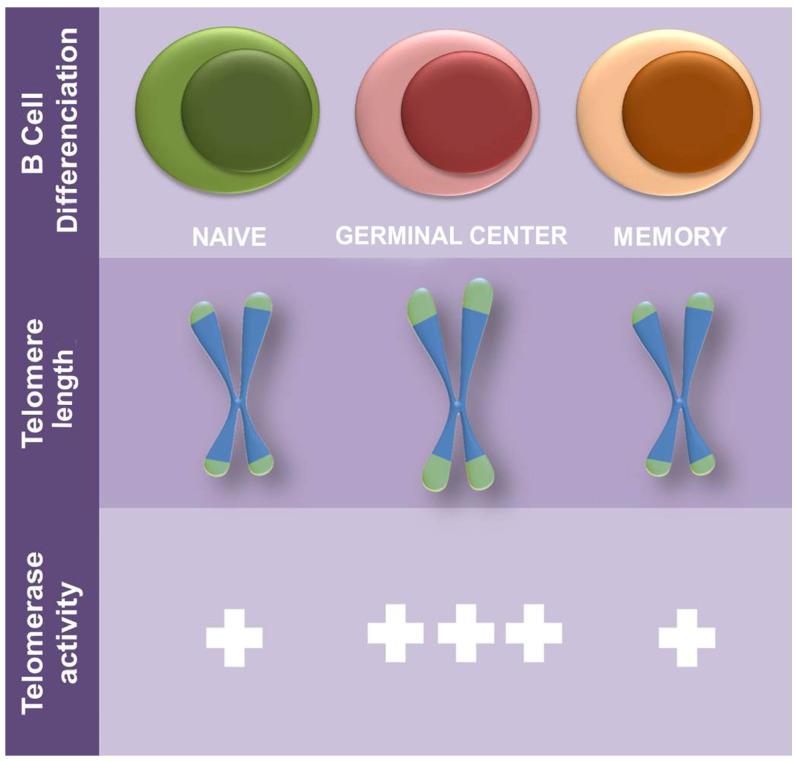
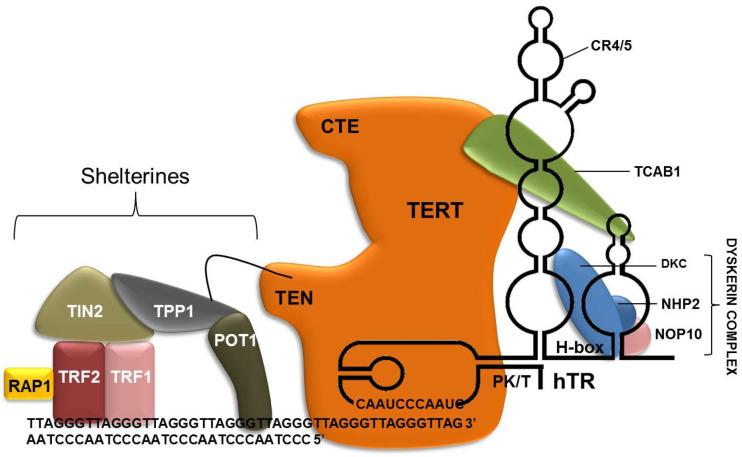
Telomeres and telomerase are closely linked to uncontrolled cellular proliferation, immortalization and carcinogenesis. Telomerase has been largely studied in the context of cancer, including leukemias. Deregulation of human telomerase gene is a well-established step in leukemia development. B-acute lymphoblastic leukemia (B-ALL) recovery rates exceed 90% in children; however, the relapse rate is around 20% among treated patients, and 10% of these are still incurable. This review highlights the biological and clinical relevance of telomerase for B-ALL and the implications of its canonical and non-canonical action on signaling pathways in the context of disease and treatment. The physiological role of telomerase in lymphocytes makes the study of its biomarker potential a great challenge. Nevertheless, many works have demonstrated that high telomerase activity or expression, as well as short telomeres, correlate with poor prognosis in B-ALL. Telomerase and related proteins have been proven to be promising pharmacological targets. Likewise, combined therapy with telomerase inhibitors may turn out to be an alternative strategy for B-ALL.
端粒和端粒酶与不受控制的细胞增殖、永生化和致癌作用密切相关。端粒酶在癌症,包括白血病的研究中已经得到了广泛的研究。人端粒酶基因的失调是白血病发生的一个既定步骤。儿童急性 B 淋巴细胞白血病 (B-ALL) 的治愈率超过 90%;然而,在接受治疗的患者中,复发率约为 20%,其中 10%的患者仍然无法治愈。这篇综述强调了端粒酶在 B-ALL 中的生物学和临床相关性,以及其在疾病和治疗背景下对信号通路的规范和非规范作用的影响。端粒酶在淋巴细胞中的生理作用使得研究其生物标志物潜力成为一个巨大的挑战。然而,许多研究已经表明,端粒酶活性或表达高,以及端粒短,与 B-ALL 的预后不良相关。端粒酶和相关蛋白已被证明是有前途的药物靶点。同样,端粒酶抑制剂的联合治疗可能成为 B-ALL 的一种替代策略。
 Zotero 插件