
在 Cox's Bazar 的脆弱环境中,针对被迫流离失所的缅甸国民(FDMNs)的急性呼吸道感染的细菌和病毒病因:一项前瞻性病例对照研究。
Bacterial and viral etiology of acute respiratory infection among the Forcibly Displaced Myanmar Nationals (FDMNs) in fragile settings in Cox's Bazar- a prospective case-control study.
机构信息
Institute for developing Science and Health initiatives, Dhaka, Bangladesh.
International Centre for Diarrhoeal Disease Research, Bangladesh, Mohakhali, Dhaka, Bangladesh.
出版信息
PLoS Negl Trop Dis. 2023 Apr 10;17(4):e0011189. doi: 10.1371/journal.pntd.0011189. eCollection 2023 Apr.
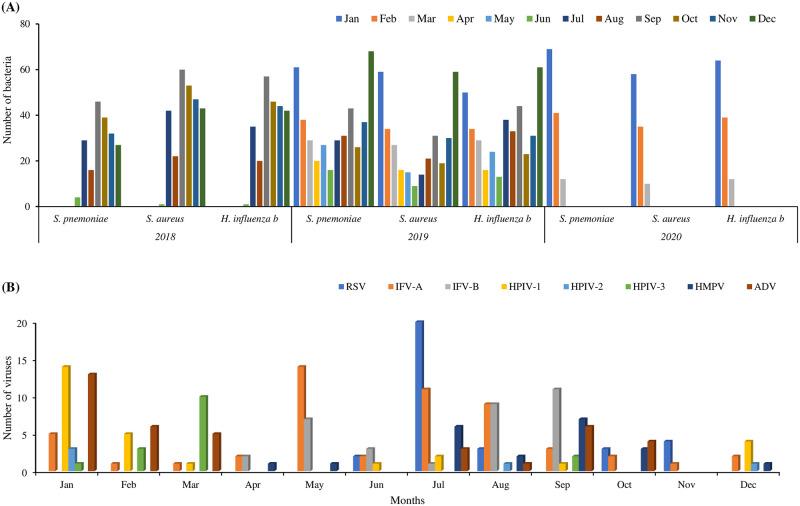
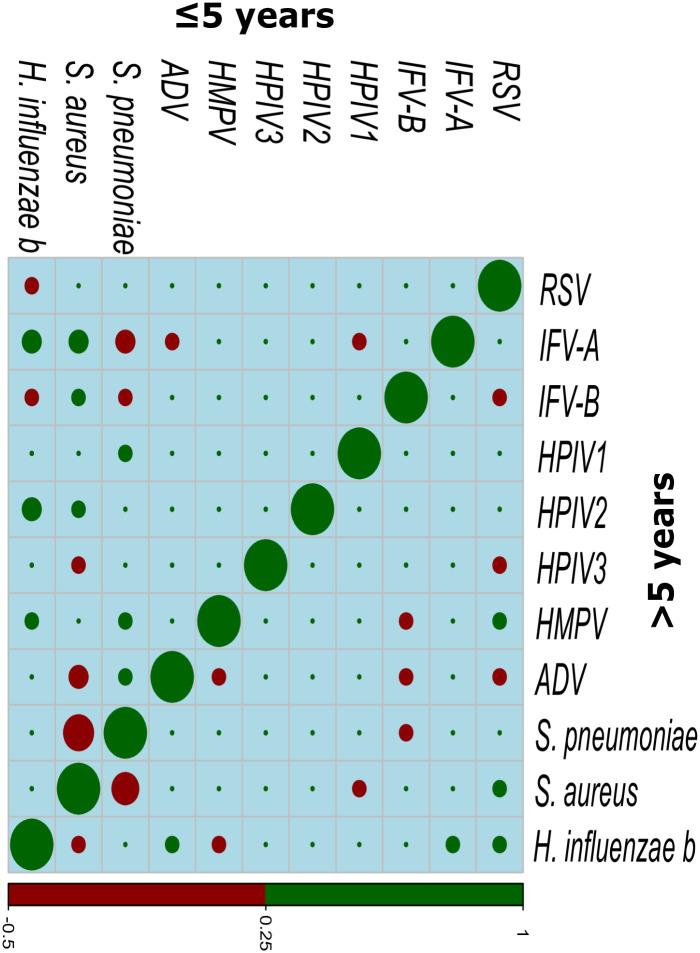
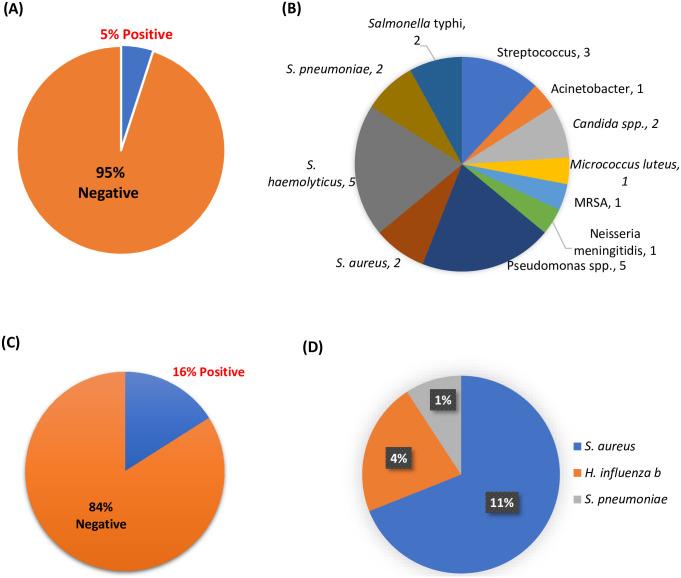
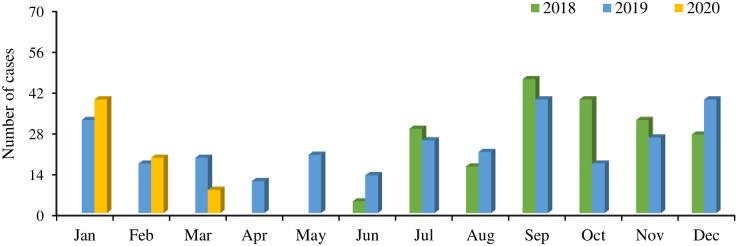
The leading infectious cause of death in children worldwide is lower acute respiratory infection (LARI), particularly pneumonia. We enrolled a total of 538 acute respiratory infection (ARI) cases according to WHO criteria and age-sex matched 514 controls in the Forcibly Displaced Myanmar National (FDMN) refugee camps in Cox's Bazar, Bangladesh, between June 2018 and March 2020 to investigate the role of bacteria, viruses, and their co-infection patterns and observe Streptococcus pneumoniae (S. pneumoniae) serotype distribution. According to the etiological findings, children ≤5 years of age have a higher bacterial positivity (90%) and viral positivity (34%) in nasopharyngeal samples (NPS) compared to those >5 years of age, in both ARI cases as well as for the control group. Among the bacteria, S. pneumoniae was predominant in both cases and controls (85% and 88%). Adenovirus (ADV)(34), influenza virus A and B (IFV-A, B)(32,23), and respiratory syncytial virus (RSV)(26) were detected as the highest number among the viruses tested for the ARI cases. The total number of viruses was also found higher in ≤5 years of age group. Within this group, positive correlation was observed between bacteria and viruses but negative correlation was observed between bacteria. Both single and co-infection for viruses were found higher in the case group than the control group. However, co-infection was significantly high for Streptococcus aureus (S. aureus) and Haemophilus influenzae b (H. influenza b) (p<0.05). Additionally, semi-quantitative bacterial and viral load was found higher for the ARI cases over control considering Cycle threshold (Ct)≤30. Pathogen identification from blood specimens was higher by qRT-PCR than blood culture (16% vs 5%, p<0.05). In the S. pneumoniae serotype distribution, the predominant serotypes in ARI cases were 23F, 19A, 16F, 35B, 15A, 20 and 10F, while 11A, 10A, 34, 35A and 13 serotypes were predominant in the control group. Pathogen correlation analysis showed RSV positively correlated with human metapneumovirus (HMPV), S. aureus and H. influenza b while S. pneumoniae was negatively correlated with other pathogens in ≤5 years age group of ARI cases. However, in >5 years age group, S. aureus and H. influenza b were positively correlated with IFVs, and S. pneumoniae was positively correlated with HMPV and ADV. Logistic regression data for viruses suggested among the respondents in cases were about 4 times more likely to be RSV positive than the control. Serotype distribution showed 30% for PCV10 serotypes, 41% for PCV13 and 59% for other serotypes. Also, among the 40 serotypes of S. pneumoniae tested, the serotypes 22F, Sg24, 9V, 38, 8, and 1 showed strong positive correlation with viruses in the case group whereas in the control group, it was predominant for serotypes 14, 38, 17F and 39 ARI cases were prevalent mostly in monsoon, post-monsoon, and winter periods, and peaked in September and October. Overall these region-specific etiological data and findings, particularly for crisis settings representing the FDMNs in Cox's Bazar, Bangladesh, is crucial for disease management and disease prevention control as well as immunization strategies more generally in humanitarian crisis settings.
全球导致儿童死亡的主要传染病是下呼吸道急性感染(LARI),尤其是肺炎。我们根据世界卫生组织(WHO)的标准,在 2018 年 6 月至 2020 年 3 月期间,在孟加拉国考克斯巴扎尔的被迫流离失所的缅甸国民(FDMN)难民营中总共招募了 538 例急性呼吸道感染(ARI)病例,并按年龄和性别与 514 例对照进行了匹配,以调查细菌、病毒及其合并感染模式的作用,并观察肺炎链球菌(S. pneumoniae)血清型分布。根据病因学发现,≤5 岁儿童鼻咽样本(NPS)的细菌阳性率(90%)和病毒阳性率(34%)均高于>5 岁儿童,ARI 病例和对照组均如此。在细菌中,S. pneumoniae 在病例组和对照组中均占主导地位(85%和 88%)。腺病毒(ADV)(34%)、流感病毒 A 和 B(IFV-A、B)(32%、23%)和呼吸道合胞病毒(RSV)(26%)是检测到的ARI 病例中数量最多的病毒。≤5 岁年龄组的病毒总数也更高。在该组中,观察到细菌和病毒之间存在正相关,但细菌之间存在负相关。病例组中单一和合并感染的病毒数量均高于对照组。然而,金黄色葡萄球菌(S. aureus)和流感嗜血杆菌 b(H. influenza b)的合并感染显著高于对照组(p<0.05)。此外,考虑到循环阈值(Ct)≤30,ARI 病例的细菌和病毒载量比对照组更高。qRT-PCR 比血培养(16%比 5%,p<0.05)更能从血液标本中鉴定病原体。在肺炎链球菌血清型分布中,ARI 病例中主要的血清型为 23F、19A、16F、35B、15A、20 和 10F,而对照组中主要的血清型为 11A、10A、34、35A 和 13。病原体相关性分析显示 RSV 与人类偏肺病毒(HMPV)、金黄色葡萄球菌和流感嗜血杆菌 b 呈正相关,而肺炎链球菌与≤5 岁年龄组的其他病原体呈负相关。然而,在>5 岁年龄组中,金黄色葡萄球菌和流感嗜血杆菌 b 与 IFVs 呈正相关,肺炎链球菌与 HMPV 和 ADV 呈正相关。病毒的逻辑回归数据表明,病例组中 RSV 阳性的受访者比对照组高出约 4 倍。血清型分布显示 PCV10 血清型为 30%,PCV13 为 41%,其他血清型为 59%。此外,在测试的 40 种肺炎链球菌血清型中,血清型 22F、Sg24、9V、38、8 和 1 与病例组中的病毒呈强正相关,而在对照组中,血清型 14、38、17F 和 39 则更为常见。ARI 病例主要发生在季风期、季风后期和冬季,高峰期在 9 月和 10 月。总体而言,这些区域特定的病因学数据和发现,特别是对代表考克斯巴扎尔的 FDMN 的危机环境,对于疾病管理和疾病预防控制以及更广泛的人道主义危机环境中的免疫接种策略至关重要。





 Zotero 插件