
姜黄素纳米乳对细粒棘球蚴原头蚴的杀原头蚴作用。
Protoscolicidal effects of curcumin nanoemulsion against protoscoleces of Echinococcus granulosus.
机构信息
Department of Parasitology and Mycology, School of Medicine, Shiraz University of Medical Sciences, Shiraz, Iran.
Department of Medical Parasitology and Mycology, School of Public Health, Tehran University of Medical Sciences, Tehran, Iran.
出版信息
BMC Complement Med Ther. 2023 Apr 18;23(1):124. doi: 10.1186/s12906-023-03927-8.
BACKGROUND
The aim of the present study was to assess in vitro protoscolicidal effects of curcumin nanoemulsion (CUR-NE) against protoscoleces of cystic echinococcosis (CE)/hydatid cysts.
METHODS
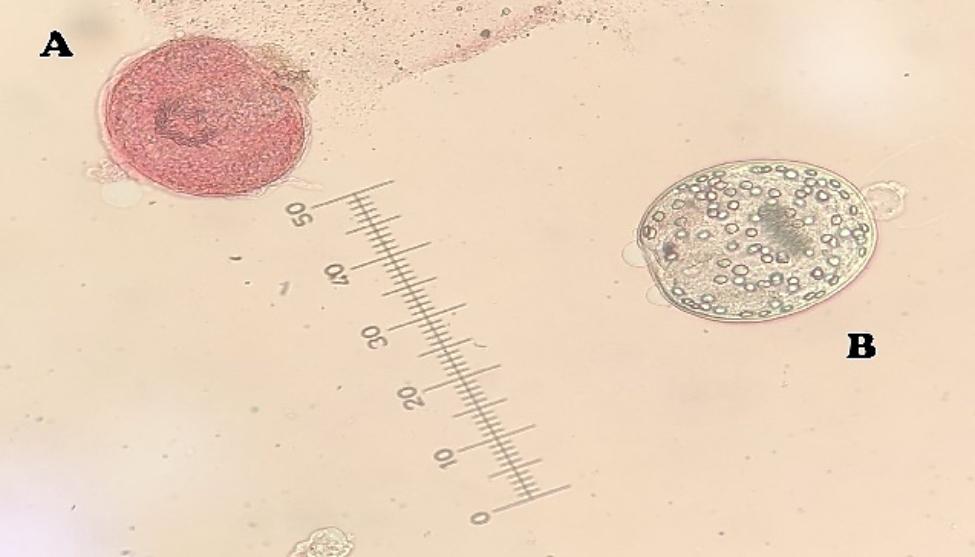
The CUR-NE was prepared via spontaneous emulsification of soybean as the oil phase, a mixture of Tween 80 and Tween 85 as the surfactant, ethanol as the co-surfactant and distilled water. Various concentrations of CUR-NE (156, 312, 625 and 1250 µg/ml) were exposed to collected protoscoleces of infected sheep liver hydatid cysts for 10, 20, 30, 60 and 120 min. Viability of the protoscoleces were assessed using eosin exclusion test. Morphological changes of the protoscoleces were observed using differential interference contrast (DIC) microscopy.
RESULTS
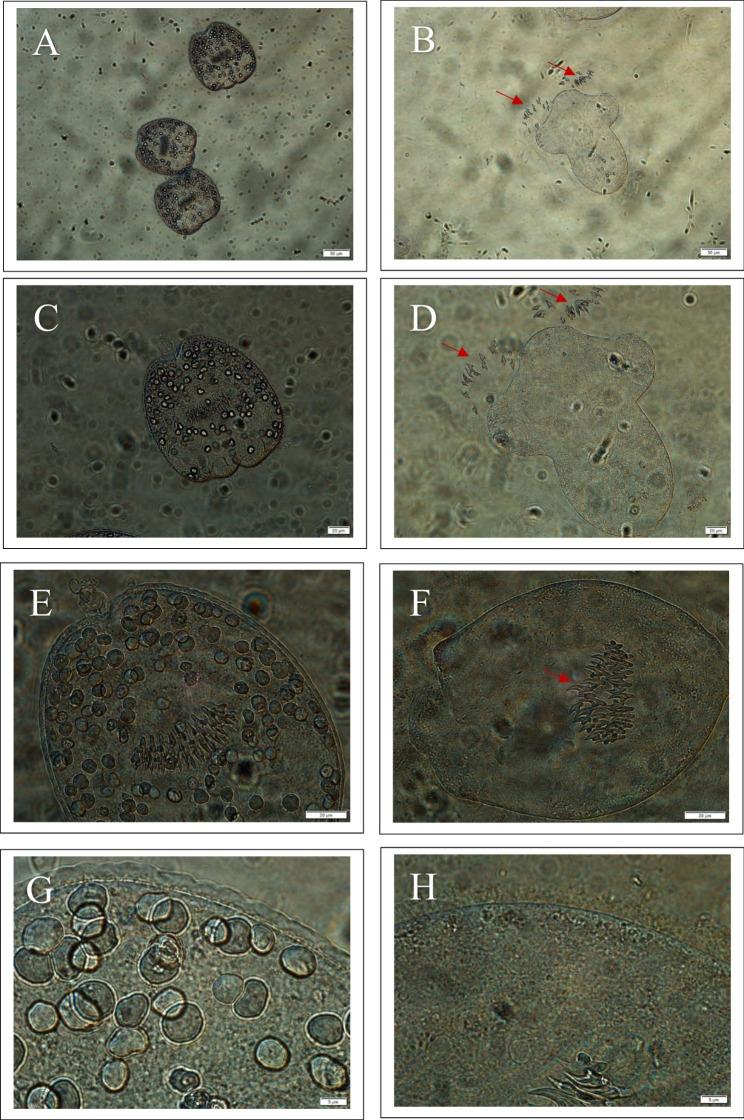
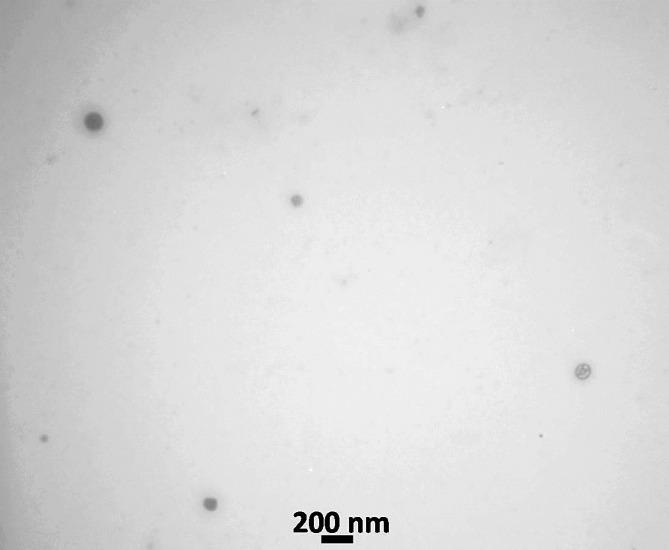
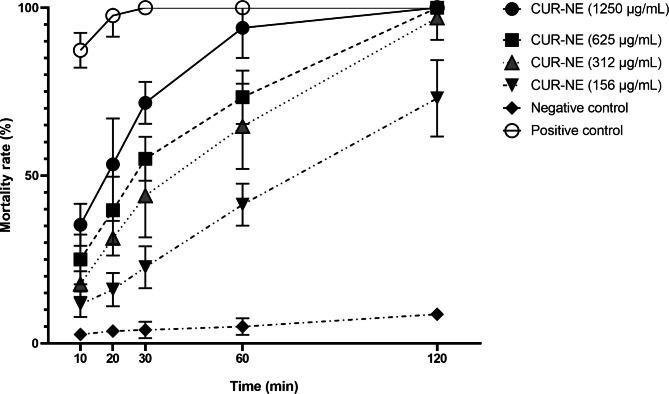
The mean particle size and zeta potential of CUR-NE included 60.4 ± 14.8 nm and - 16.1 ± 1.1 mV, respectively. Results showed that the viability of the protoscoleces decreased significantly with increases in CUR-NE concentrations (p < 0.001). The mortality rates of protoscoleces with exposure to concentrations of 1250 and 625 µg/ml of CUR-NE for 60 min were 94 and 73.33%, respectively. Mortality of the protoscoleces was 100% after 120 min of exposure to 1250 and 625 µg/ml concentrations of CUR-NE. Using NIC microscopy, extensively altered tegumental surface protoscoleces was observed after protoscoleces exposure to CUR-NE.
CONCLUSION
The findings of the present study revealed the in vitro protoscolicidal potential of CUR-NE. Therefore, CUR-NEs are addressed as novel protoscolicidal agents, which can be used as an alternative natural medicine to kill the protoscoleces, owing to their low toxicity and significant inhibition potency. However, further studies are necessary to investigate pharmacologic and pharmacokinetics of CUR-NEs.
背景
本研究旨在评估姜黄素纳米乳(CUR-NE)对囊型包虫病/包虫囊肿原头蚴的体外杀原头蚴作用。
方法
通过大豆作为油相、吐温 80 和吐温 85 的混合物作为表面活性剂、乙醇作为助表面活性剂和蒸馏水的自发乳化制备 CUR-NE。将不同浓度的 CUR-NE(156、312、625 和 1250μg/ml)暴露于从感染绵羊肝脏包虫囊肿中收集的原头蚴 10、20、30、60 和 120min。使用伊红排斥试验评估原头蚴的活力。使用微分干涉对比(DIC)显微镜观察原头蚴的形态变化。
结果
CUR-NE 的平均粒径和 Zeta 电位分别为 60.4±14.8nm 和-16.1±1.1mV。结果表明,原头蚴的活力随着 CUR-NE 浓度的增加而显著下降(p<0.001)。暴露于 1250 和 625μg/ml CUR-NE 浓度 60min 的原头蚴死亡率分别为 94%和 73.33%。暴露于 1250 和 625μg/ml CUR-NE 浓度 120min 后,原头蚴的死亡率为 100%。使用 NIC 显微镜观察到,原头蚴暴露于 CUR-NE 后,其表皮表面发生广泛改变。
结论
本研究结果表明 CUR-NE 具有体外杀原头蚴作用。因此,CUR-NEs 作为新型杀原头蚴药物,可以作为杀死原头蚴的替代天然药物,因为它们的毒性低且抑制作用显著。然而,还需要进一步研究 CUR-NE 的药代动力学和药效学。
 Zotero 插件