
生物膜对氨基糖苷类抗生素新型耐药机制的发现
Discovery of Novel Resistance Mechanisms of Biofilm against Aminoglycoside Antibiotics.
作者信息
Tian Cuifang, Yuan Mengqi, Tao Qian, Xu Tianming, Liu Jing, Huang Zhenhua, Wu Qian, Pan Yingjie, Zhao Yong, Zhang Zhaohuan
机构信息
College of Food Science and Technology, Shanghai Ocean University, 999# Hu Cheng Huan Road, Shanghai 201306, China.
Laboratory of Quality & Safety Risk Assessment for Aquatic Products on Storage and Preservation (Shanghai), Ministry of Agriculture and Rural Affairs, 999# Hu Cheng Huan Road, Shanghai 201306, China.
出版信息
Antibiotics (Basel). 2023 Mar 24;12(4):638. doi: 10.3390/antibiotics12040638.
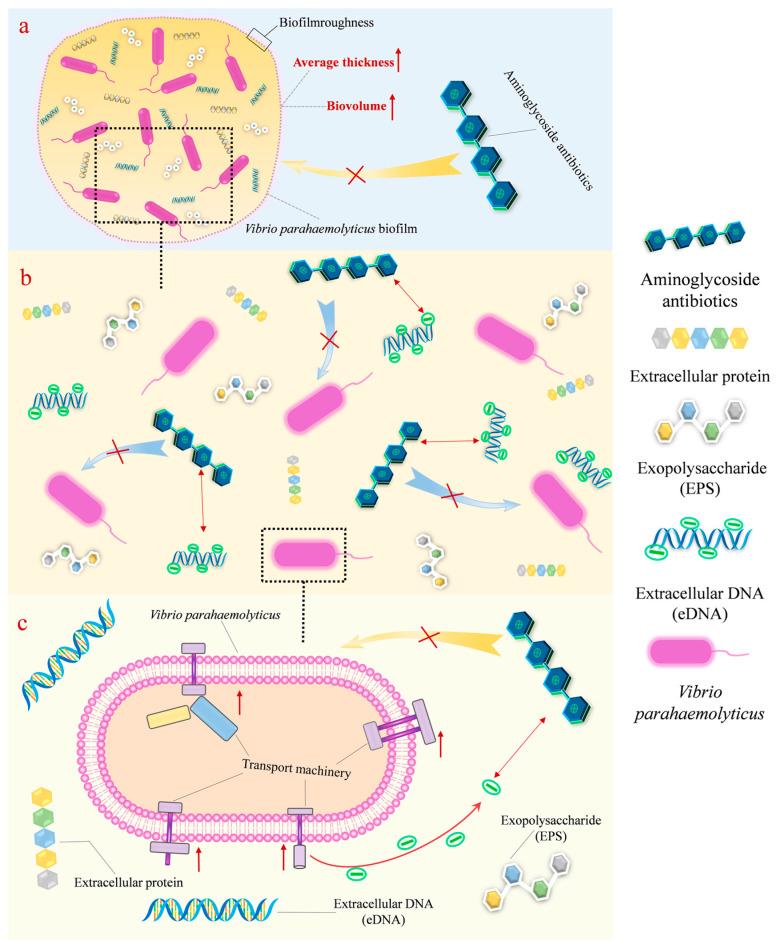
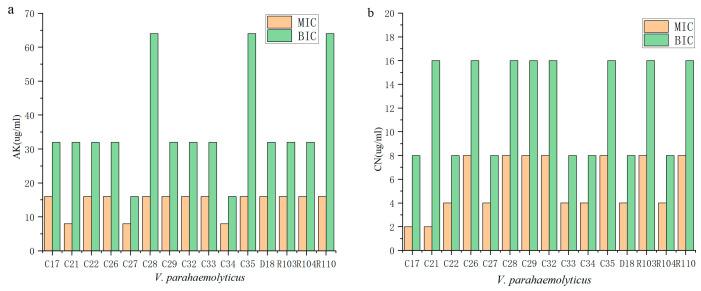
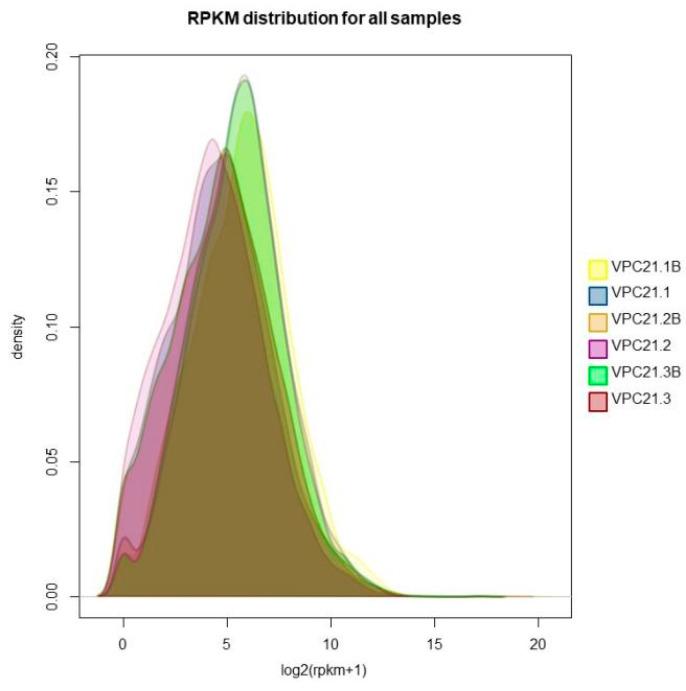
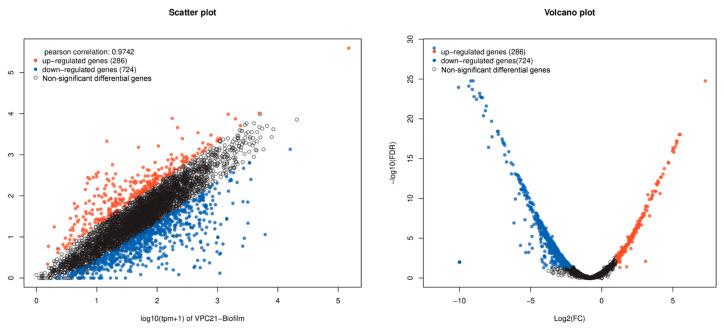
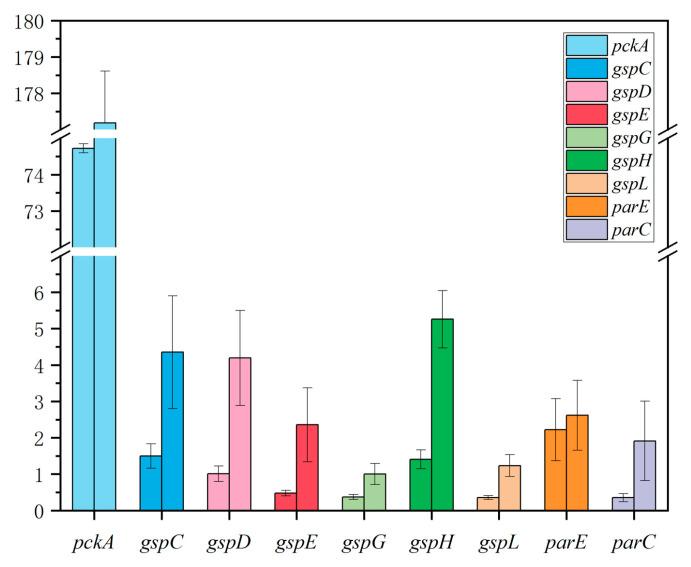
Inappropriate use of antibiotics eventually leads to the emergence of antibiotic-resistant strains and invalidates the treatment of infectious diseases. Aminoglycoside antibiotics (AGAs) are a class of broad-spectrum cationic antibiotics widely used for the treatment of Gram-negative bacterial infections. Understanding the AGA resistance mechanism of bacteria would increase the efficacy of treating these infections. This study demonstrates a significant correlation between AGA resistance and the adaptation of biofilms by (VP). These adaptations were the result of challenges against the aminoglycosides (amikacin and gentamicin). Confocal laser scanning microscope (CLSM) analysis revealed an enclosure type mechanism where the biological volume (BV) and average thickness (AT) of biofilm were significantly positively correlated with amikacin resistance (BIC) ( < 0.01). A neutralization type mechanism was mediated by anionic extracellular polymeric substances (EPSs). The biofilm minimum inhibitory concentrations of amikacin and gentamicin were reduced from 32 µg/mL to 16 µg/mL and from 16 µg/mL to 4 µg/mL, respectively, after anionic EPS treatment with DNase I and proteinase K. Here, anionic EPSs bind cationic AGAs to develop antibiotic resistance. Transcriptomic sequencing revealed a regulatory type mechanism, where antibiotic resistance associated genes were significantly upregulated in biofilm producing when compared with planktonic cells. The three mechanistic strategies of developing resistance demonstrate that selective and judicious use of new antibiotics are needed to win the battle against infectious disease.
抗生素的不当使用最终会导致抗生素耐药菌株的出现,并使传染病治疗失效。氨基糖苷类抗生素(AGAs)是一类广泛用于治疗革兰氏阴性菌感染的广谱阳离子抗生素。了解细菌对AGAs的耐药机制将提高这些感染的治疗效果。本研究表明AGAs耐药性与(VP)生物膜的适应性之间存在显著相关性。这些适应性是针对氨基糖苷类药物(阿米卡星和庆大霉素)的挑战所导致的结果。共聚焦激光扫描显微镜(CLSM)分析揭示了一种包裹型机制,其中生物膜的生物体积(BV)和平均厚度(AT)与阿米卡星耐药性(BIC)显著正相关(<0.01)。一种中和型机制是由阴离子胞外聚合物(EPSs)介导的。在用脱氧核糖核酸酶I和蛋白酶K进行阴离子EPS处理后,阿米卡星和庆大霉素的生物膜最低抑菌浓度分别从32μg/mL降至16μg/mL和从16μg/mL降至4μg/mL。在这里,阴离子EPSs结合阳离子AGAs以产生抗生素耐药性。转录组测序揭示了一种调控型机制,与浮游细胞相比,在产生生物膜的(此处原文可能缺失相关细菌名称)中,与抗生素耐药性相关的基因显著上调。这三种产生耐药性的机制策略表明,需要有选择且明智地使用新型抗生素来赢得对抗传染病的战斗。




 Zotero 插件