
膳食酚类化合物:它们对健康的益处及其与肠道微生物群的关联。
Dietary Phenolic Compounds: Their Health Benefits and Association with the Gut Microbiota.
作者信息
Matsumura Yoko, Kitabatake Masahiro, Kayano Shin-Ichi, Ito Toshihiro
机构信息
Department of Nutrition, Faculty of Health Sciences, Kio University, Kitakatsuragi-gun, Nara 635-0832, Japan.
Department of Immunology, Nara Medical University, Kashihara, Nara 634-8521, Japan.
出版信息
Antioxidants (Basel). 2023 Apr 4;12(4):880. doi: 10.3390/antiox12040880.
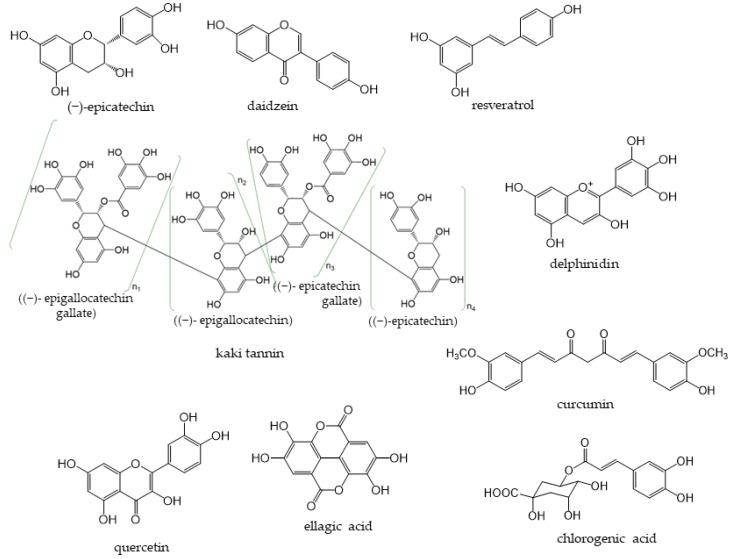
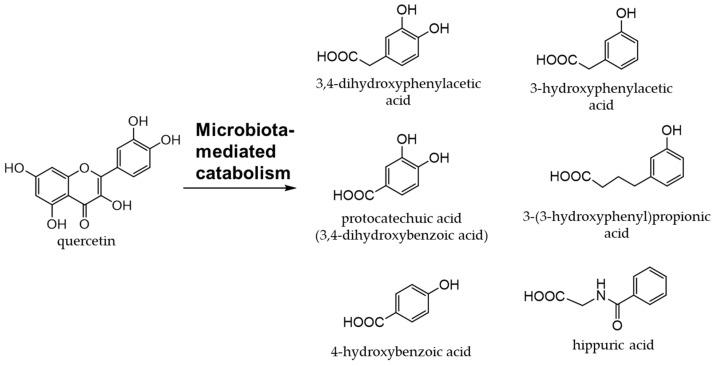
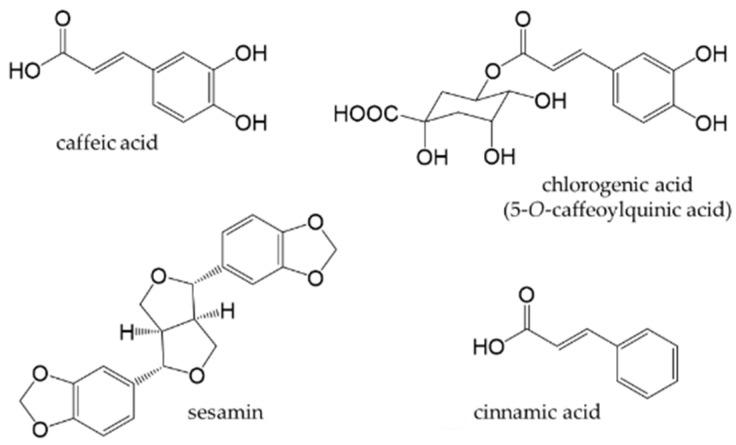
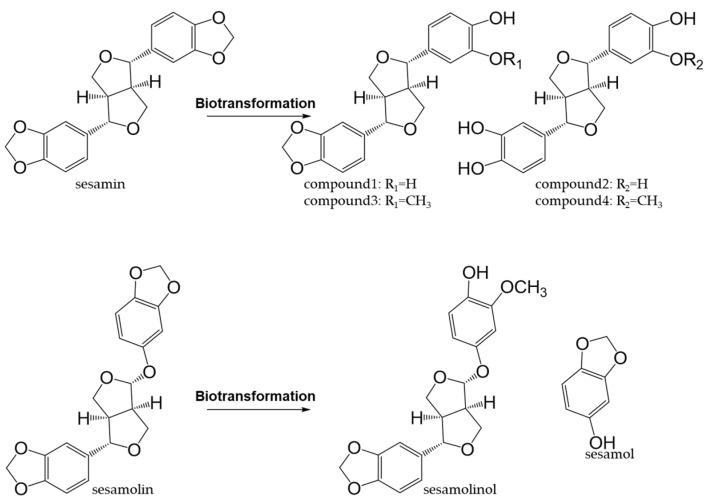
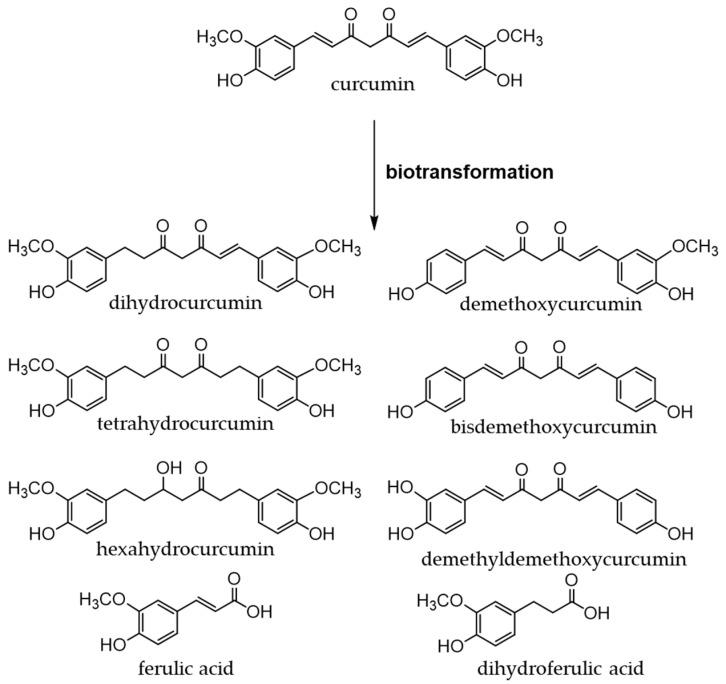
Oxidative stress causes various diseases, such as type II diabetes and dyslipidemia, while antioxidants in foods may prevent a number of diseases and delay aging by exerting their effects in vivo. Phenolic compounds are phytochemicals such as flavonoids which consist of flavonols, flavones, flavanonols, flavanones, anthocyanidins, isoflavones, lignans, stilbenoids, curcuminoids, phenolic acids, and tannins. They have phenolic hydroxyl groups in their molecular structures. These compounds are present in most plants, are abundant in nature, and contribute to the bitterness and color of various foods. Dietary phenolic compounds, such as quercetin in onions and sesamin in sesame, exhibit antioxidant activity and help prevent cell aging and diseases. In addition, other kinds of compounds, such as tannins, have larger molecular weights, and many unexplained aspects still exist. The antioxidant activities of phenolic compounds may be beneficial for human health. On the other hand, metabolism by intestinal bacteria changes the structures of these compounds with antioxidant properties, and the resulting metabolites exert their effects in vivo. In recent years, it has become possible to analyze the composition of the intestinal microbiota. The augmentation of the intestinal microbiota by the intake of phenolic compounds has been implicated in disease prevention and symptom recovery. Furthermore, the "brain-gut axis", which is a communication system between the gut microbiome and brain, is attracting increasing attention, and research has revealed that the gut microbiota and dietary phenolic compounds affect brain homeostasis. In this review, we discuss the usefulness of dietary phenolic compounds with antioxidant activities against some diseases, their biotransformation by the gut microbiota, the augmentation of the intestinal microflora, and their effects on the brain-gut axis.
氧化应激会引发多种疾病,如II型糖尿病和血脂异常,而食物中的抗氧化剂可通过在体内发挥作用来预防多种疾病并延缓衰老。酚类化合物是一类植物化学物质,如黄酮类化合物,包括黄酮醇、黄酮、黄烷醇、黄烷酮、花青素、异黄酮、木脂素、芪类化合物、姜黄素类化合物、酚酸和单宁。它们的分子结构中含有酚羟基。这些化合物存在于大多数植物中,在自然界中含量丰富,并赋予各种食物苦味和颜色。膳食酚类化合物,如洋葱中的槲皮素和芝麻中的芝麻素,具有抗氧化活性,有助于预防细胞衰老和疾病。此外,其他种类的化合物,如单宁,分子量较大,仍有许多未明之处。酚类化合物的抗氧化活性可能对人体健康有益。另一方面,肠道细菌的代谢会改变这些具有抗氧化特性的化合物的结构,产生的代谢产物在体内发挥作用。近年来,分析肠道微生物群的组成已成为可能。摄入酚类化合物导致肠道微生物群增加与疾病预防和症状恢复有关。此外,作为肠道微生物群与大脑之间通讯系统的“脑-肠轴”正受到越来越多的关注,研究表明肠道微生物群和膳食酚类化合物会影响大脑的稳态。在这篇综述中,我们讨论了具有抗氧化活性的膳食酚类化合物对某些疾病的作用、它们被肠道微生物群的生物转化、肠道微生物群的增加以及它们对脑-肠轴的影响。









 Zotero 插件