
剪接体保真度降低和 egl-8 内含子保留抑制 mTORC1 信号转导,从而促进长寿。
Decreased spliceosome fidelity and egl-8 intron retention inhibit mTORC1 signaling to promote longevity.
机构信息
Max Planck Institute for Biology of Ageing, Cologne, Germany.
Institute of Biochemistry II, Goethe-Universität, Frankfurt am Main, Germany.
出版信息
Nat Aging. 2022 Sep;2(9):796-808. doi: 10.1038/s43587-022-00275-z. Epub 2022 Sep 19.
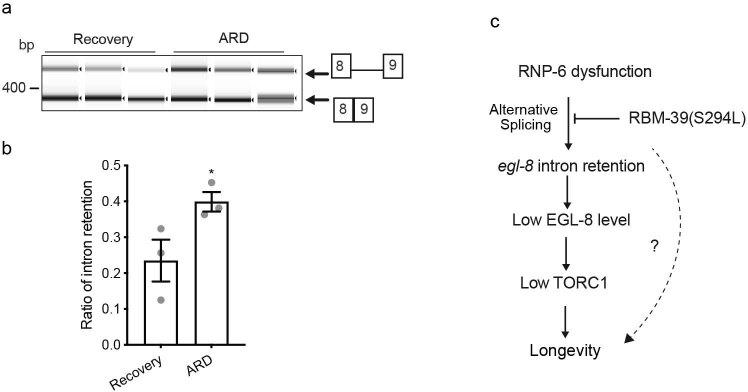
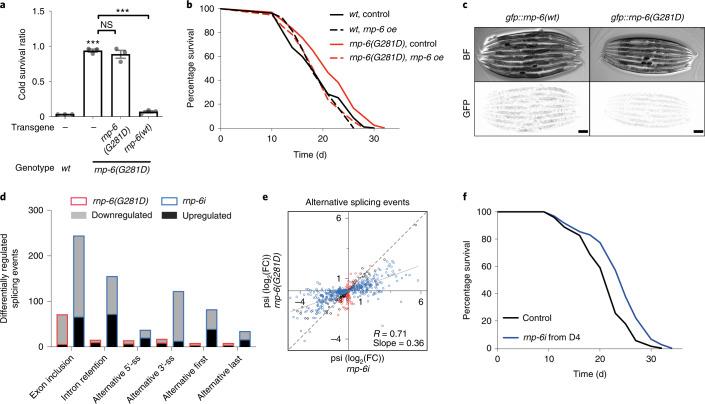
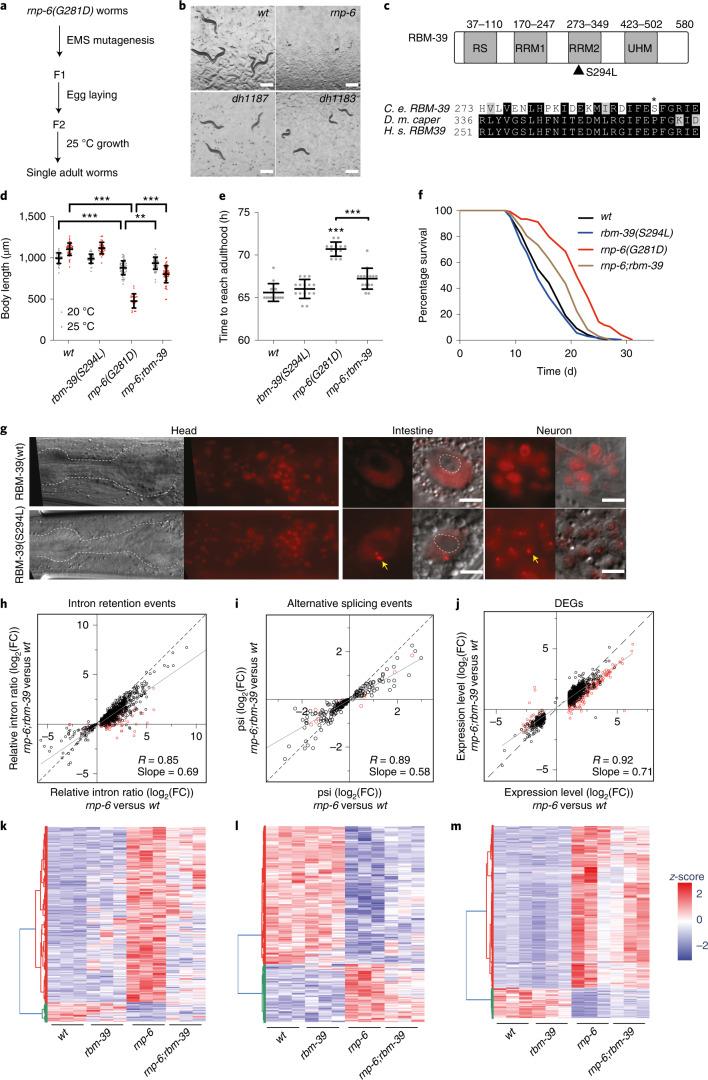
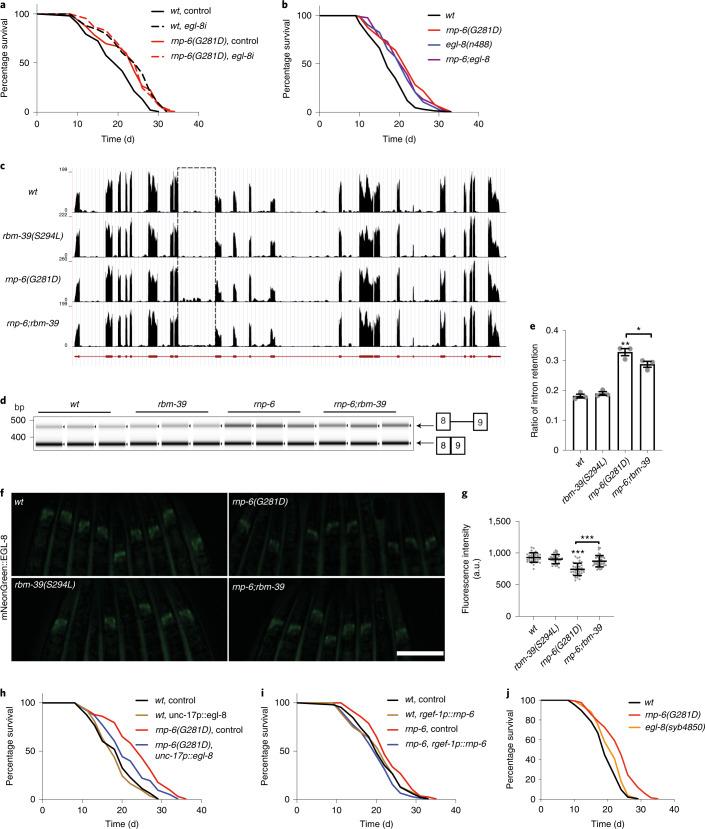
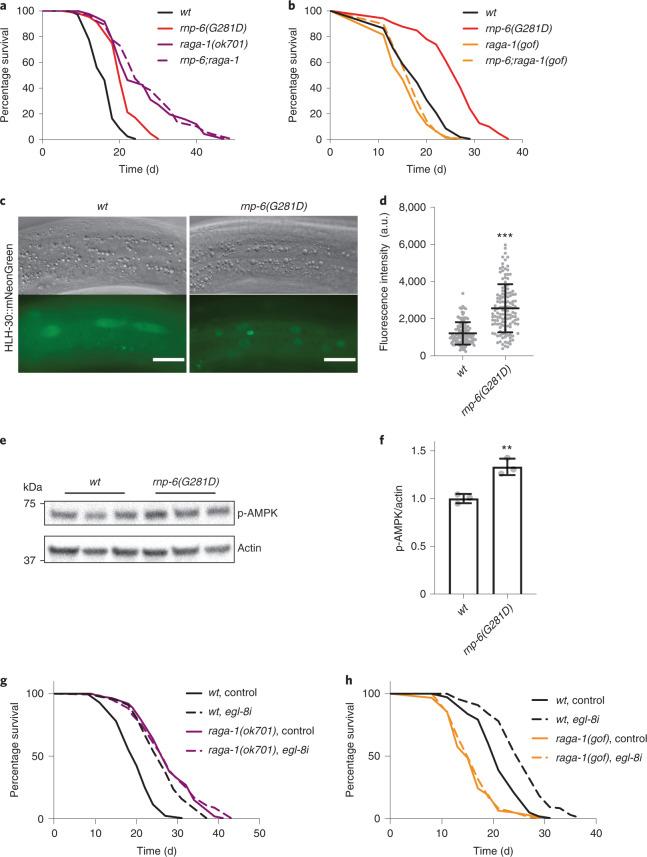
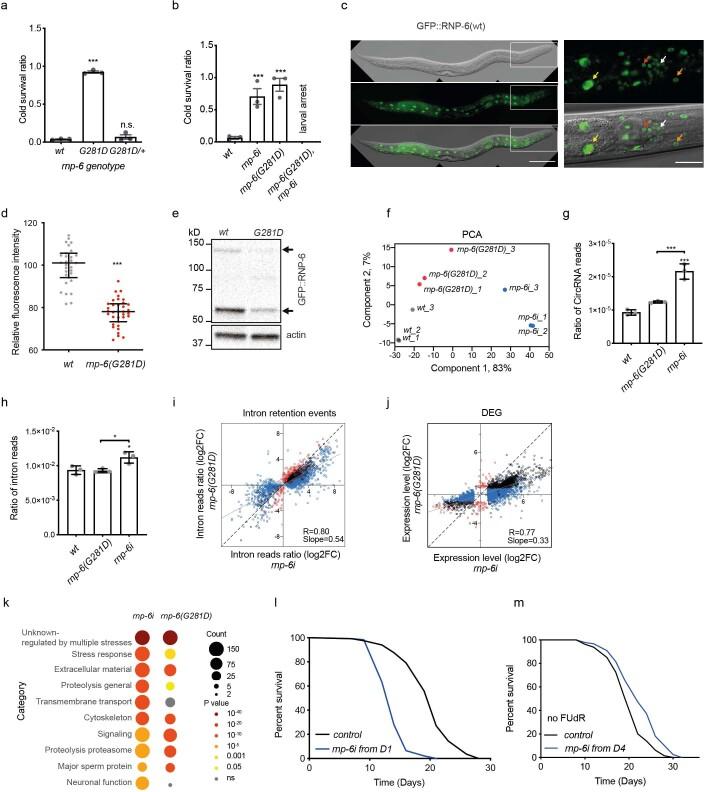
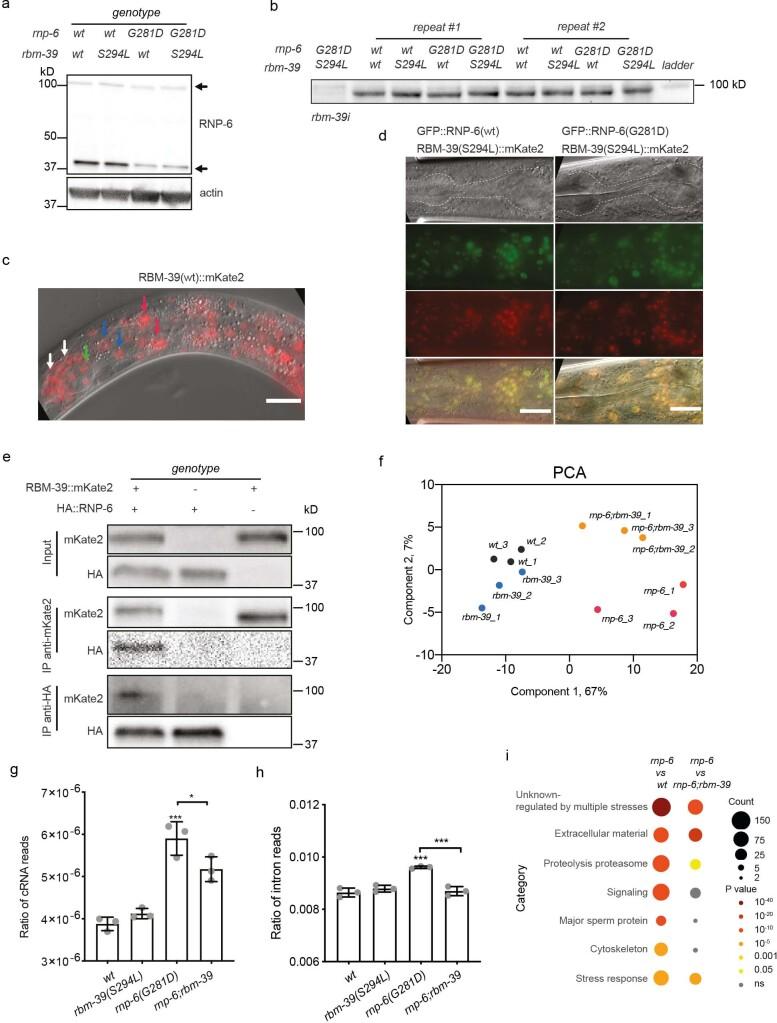
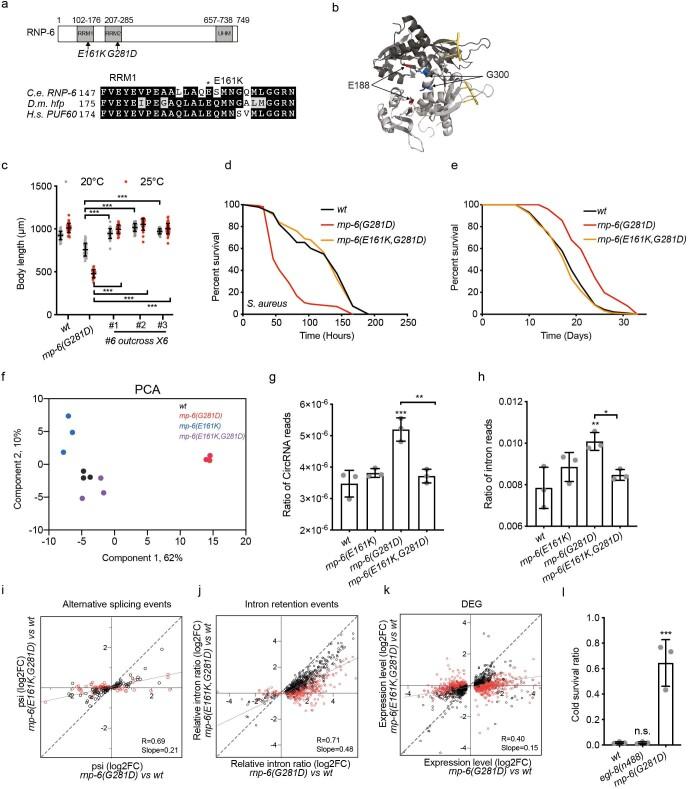
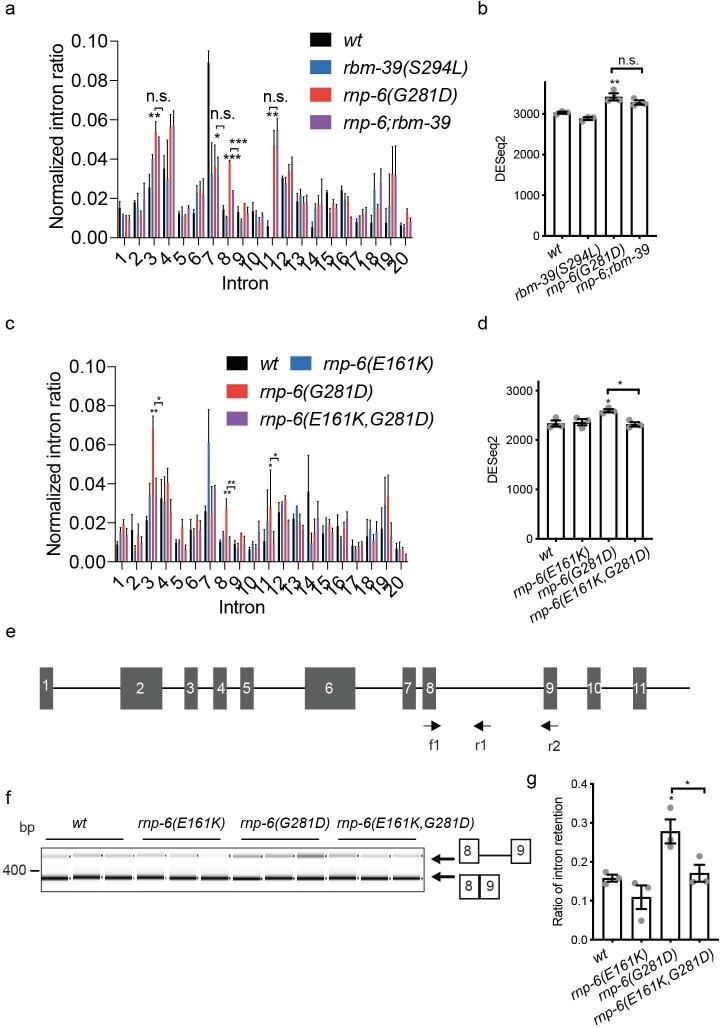
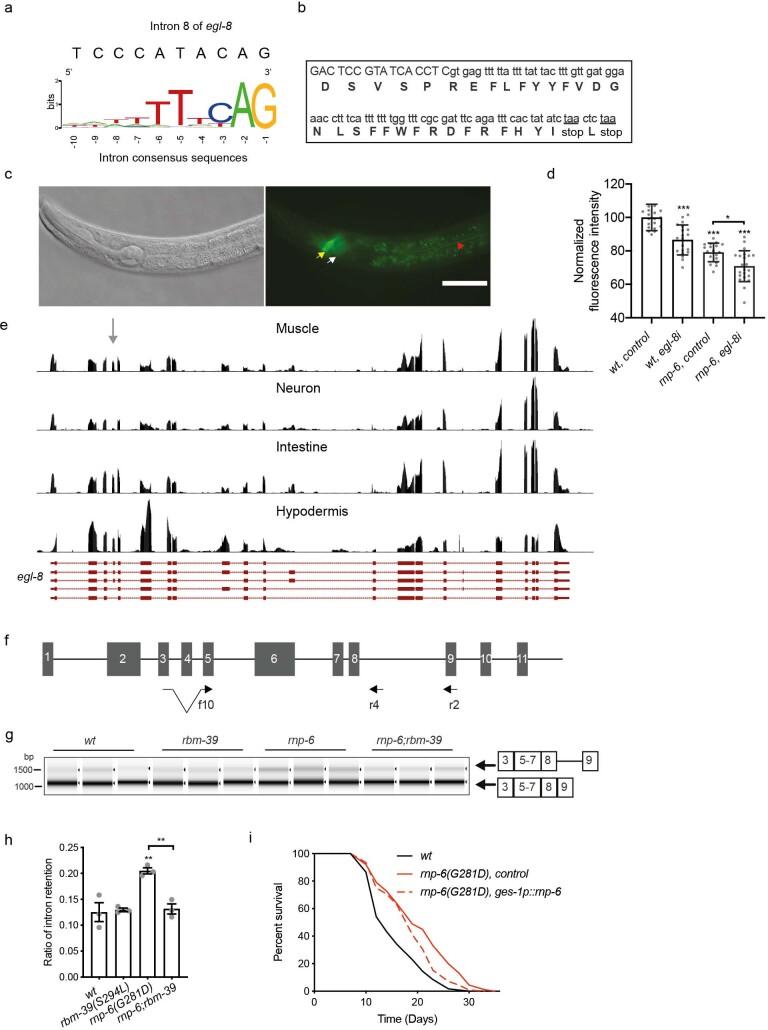
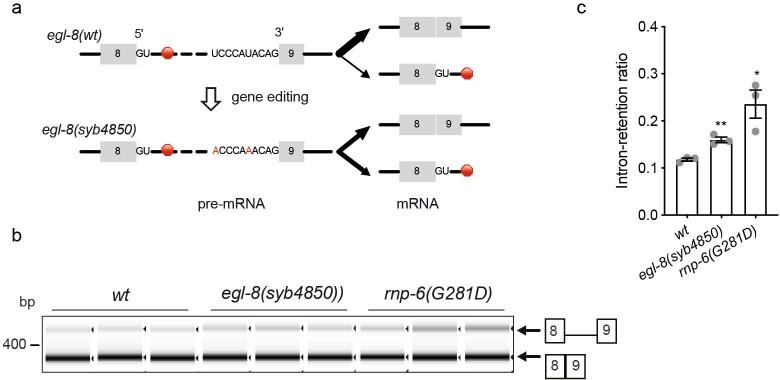
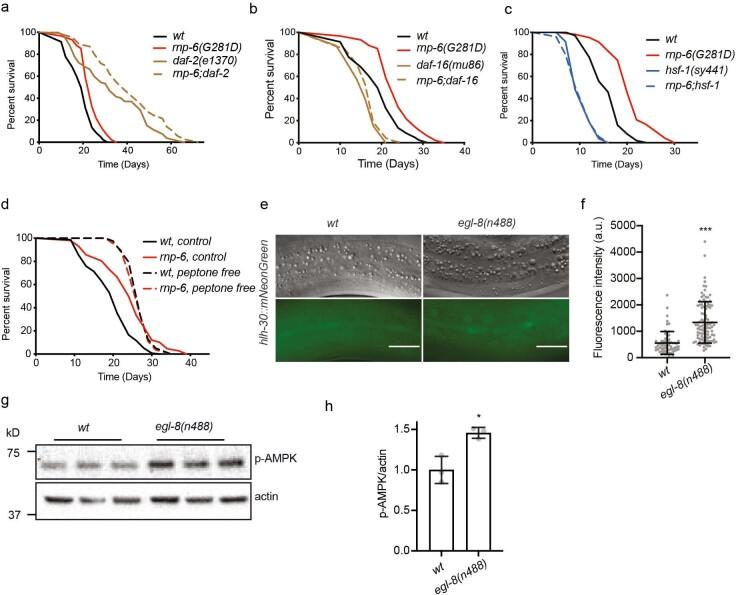
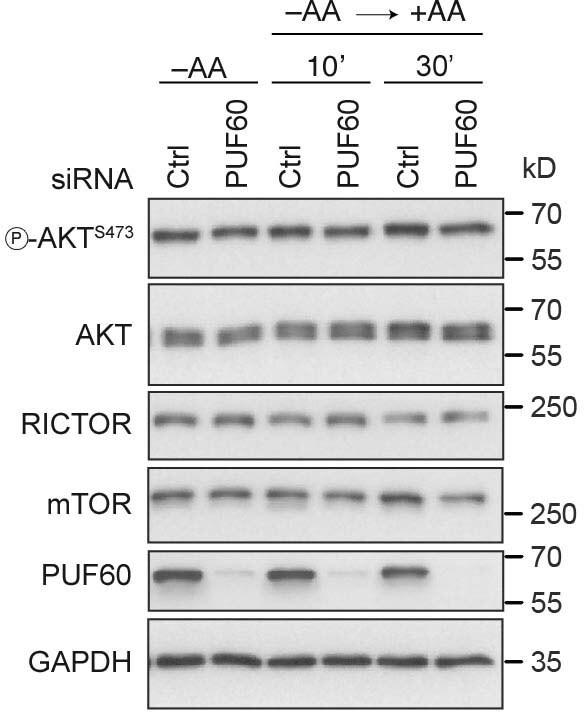
Changes in splicing fidelity are associated with loss of homeostasis and aging, yet only a handful of splicing factors have been shown to be causally required to promote longevity, and the underlying mechanisms and downstream targets in these paradigms remain elusive. Surprisingly, we found a hypomorphic mutation within ribonucleoprotein RNP-6/poly(U)-binding factor 60 kDa (PUF60), a spliceosome component promoting weak 3'-splice site recognition, which causes aberrant splicing, elevates stress responses and enhances longevity in Caenorhabditis elegans. Through genetic suppressor screens, we identify a gain-of-function mutation within rbm-39, an RNP-6-interacting splicing factor, which increases nuclear speckle formation, alleviates splicing defects and curtails longevity caused by rnp-6 mutation. By leveraging the splicing changes induced by RNP-6/RBM-39 activities, we uncover intron retention in egl-8/phospholipase C β4 (PLCB4) as a key splicing target prolonging life. Genetic and biochemical evidence show that neuronal RNP-6/EGL-8 downregulates mammalian target of rapamycin complex 1 (mTORC1) signaling to control organismal lifespan. In mammalian cells, PUF60 downregulation also potently and specifically inhibits mTORC1 signaling. Altogether, our results reveal that splicing fidelity modulates lifespan through mTOR signaling.
剪接保真度的变化与内稳态和衰老的丧失有关,但只有少数剪接因子被证明是促进长寿所必需的,而这些范式中的潜在机制和下游靶点仍然难以捉摸。令人惊讶的是,我们在核糖核蛋白 RNP-6/多聚(U)结合因子 60kDa(PUF60)中发现了一个功能减弱的突变,这是一种剪接体成分,可促进弱 3'剪接位点识别,导致异常剪接,增强应激反应并延长秀丽隐杆线虫的寿命。通过遗传抑制筛选,我们在 RNP-6 相互作用的剪接因子 rbm-39 中发现了一个功能获得性突变,该突变增加核斑点形成,缓解剪接缺陷并缩短 rnp-6 突变引起的寿命。通过利用 RNP-6/RBM-39 活性诱导的剪接变化,我们发现 egl-8/磷脂酶 C β4(PLCB4)中的内含子保留是延长寿命的关键剪接靶标。遗传和生化证据表明,神经元 RNP-6/EGL-8 下调雷帕霉素靶蛋白复合物 1(mTORC1)信号以控制机体寿命。在哺乳动物细胞中,PUF60 的下调也强烈且特异性地抑制 mTORC1 信号。总之,我们的研究结果表明,剪接保真度通过 mTOR 信号调节寿命。


 Zotero 插件