
损失、复苏与漫长前路:疫情期间追踪印度的非正规工人
Loss, Recovery and the Long Road Ahead: Tracking India's Informal Workers Through the Pandemic.
作者信息
Nath Paaritosh, Mandela S Nelson, Gawali Aishwarya
机构信息
Azim Premji University, Bengaluru, India.
GITAM University, Hyderabad, India.
出版信息
Indian J Labour Econ. 2023;66(1):329-354. doi: 10.1007/s41027-022-00418-1. Epub 2023 Mar 3.
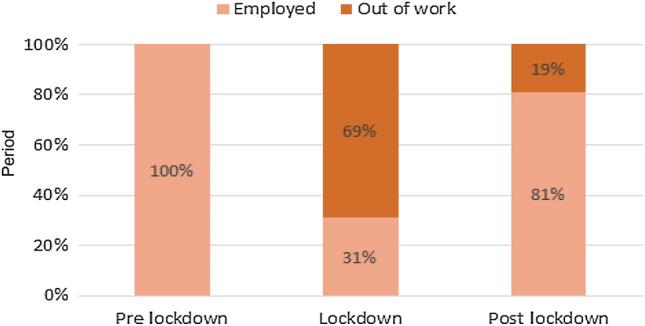
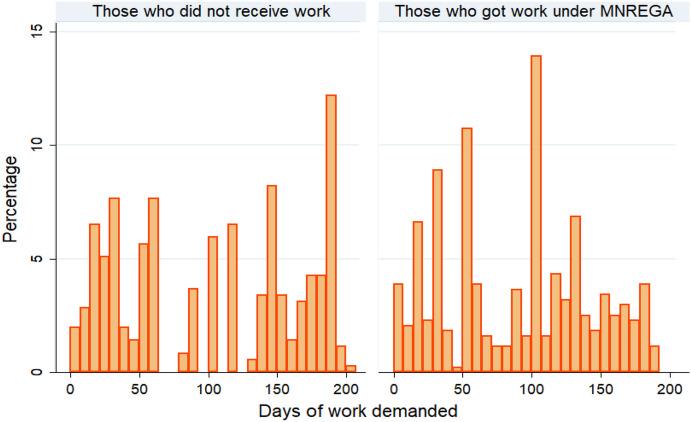
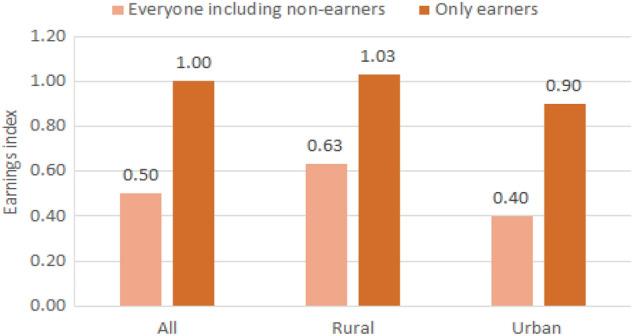
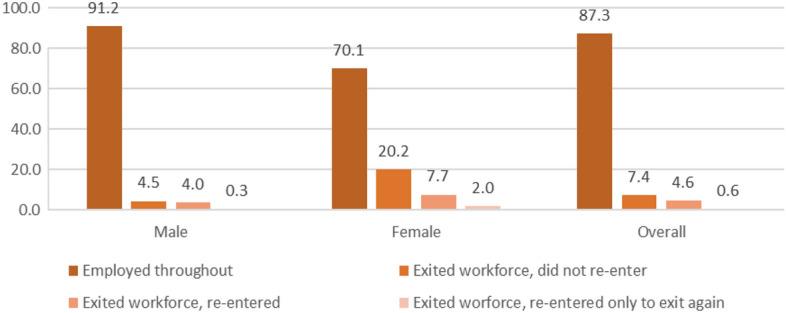
Drawing on results from a panel of 2778 workers interviewed during and after the 68-day hard lockdown imposed in India, the following study examines the livelihood impact of the pandemic and the extent of subsequent recovery or lack thereof. Focussing specifically on workers located in the informal economy, the study is a useful addition to the burgeoning body of work on the economic impacts of Covid-19 by providing an insight into the employment and earnings recovery of those located at the margins. These findings are spliced across socio-economic groups to showcase the differential impact of the pandemic on different demographics within the informal sector. Our results show that six months after the hard lockdown, one out five persons were still out of work. Conditioned on being employed prior to the lockdown and having lost work during the lockdown, we find that urban respondents, women, workers above 60 and graduates were significantly less likely to recover from the shock. A similar exercise carried out for women workers showed that middle aged women, never married women and women who were not-literate or educated up until primary and middle school were significantly more likely to recover from job loss. Older women, those located in urban areas and Muslim women were on the other hand significantly less likely to recover from the job loss. Earnings on the whole were half of what they used to be prior to the pandemic. Some better off workers shifted to more precarious types of employment. Given the fall in earnings, poorer worker households were forced to borrow and the amount of loan taken was multiple times their average monthly income. In the context of loss in employment and reverse migration, the survey results show a substantial unmet demand for work under the MGNREGA programme even after the lockdown was lifted. We conclude that despite a partial recovery in the subsequent period, the pandemic-induced lockdown has undermined the material conditions for subsistence for a large segment within the informal economy. Moreover, any attempts made to re-imagine what a social protection programme for the informal economy should look like must take into account the segments most susceptible to an economic shock on their livelihoods.
根据对印度实施68天严格封锁期间及之后采访的2778名工人组成的小组的调查结果,以下研究考察了疫情对生计的影响以及随后恢复的程度或未恢复的情况。该研究特别关注非正规经济部门的工人,通过深入了解处于边缘地位的工人的就业和收入恢复情况,为关于新冠疫情经济影响的大量新兴研究增添了有用内容。这些研究结果按社会经济群体进行分类,以展示疫情对非正规部门不同人口群体的不同影响。我们的结果显示,在严格封锁六个月后,五分之一的人仍未就业。以封锁前就业且在封锁期间失去工作为条件,我们发现城市受访者、女性、60岁以上的工人和毕业生从冲击中恢复的可能性显著较低。对女工进行的类似分析表明,中年女性、未婚女性以及未受过教育或仅接受过小学和初中教育的女性从失业中恢复的可能性显著更高。另一方面,老年女性、城市地区的女性和穆斯林女性从失业中恢复的可能性显著较低。总体收入仅为疫情前的一半。一些境况较好的工人转向了更不稳定的就业类型。鉴于收入下降,较贫困的工人家庭被迫借贷,所借贷款金额是其平均月收入的数倍。在就业减少和逆向迁移的背景下,调查结果显示,即使在封锁解除后,农村就业保障计划(MGNREGA)下仍有大量未得到满足的工作需求。我们得出结论,尽管在随后时期出现了部分恢复,但疫情引发的封锁破坏了非正规经济中很大一部分人的基本生存物质条件。此外,任何重新构想非正规经济社会保护计划应是什么样子的尝试,都必须考虑到那些生计最易受经济冲击影响的群体。




 Zotero 插件