
基于综合免疫信息学分析的新型基孔肯雅病毒结构蛋白多表位疫苗候选物的计算机设计与验证。
In silico design and validation of a novel multi-epitope vaccine candidate against structural proteins of Chikungunya virus using comprehensive immunoinformatics analyses.
机构信息
Department of Medical Biotechnology, School of Medicine, Fasa University of Medical Sciences, Fasa, Iran.
Department of Plant Biotechnology, National Institute of Genetic Engineering and Biotechnology, Tehran, Iran.
出版信息
PLoS One. 2023 May 5;18(5):e0285177. doi: 10.1371/journal.pone.0285177. eCollection 2023.
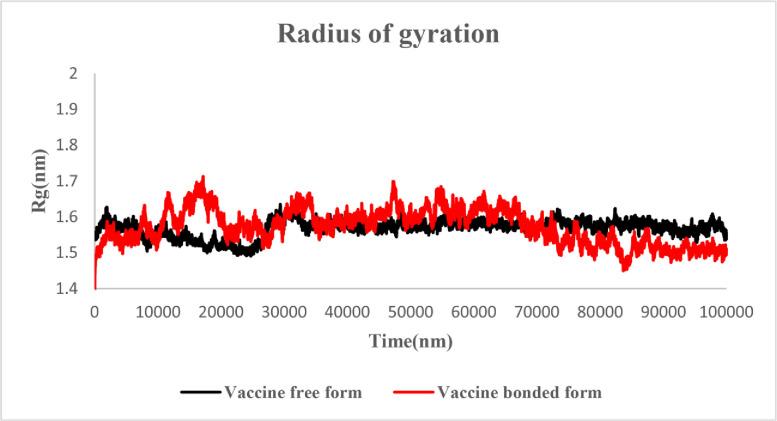
Chikungunya virus (CHIKV) is an emerging viral infectious agent with the potential of causing pandemic. There is neither a protective vaccine nor an approved drug against the virus. The aim of this study was design of a novel multi-epitope vaccine (MEV) candidate against the CHIKV structural proteins using comprehensive immunoinformatics and immune simulation analyses. In this study, using comprehensive immunoinformatics approaches, we developed a novel MEV candidate using the CHIKV structural proteins (E1, E2, 6 K, and E3). The polyprotein sequence was obtained from the UniProt Knowledgebase and saved in FASTA format. The helper and cytotoxic T lymphocytes (HTLs and CTLs respectively) and B cell epitopes were predicted. The toll-like receptor 4 (TLR4) agonist RS09 and PADRE epitope were employed as promising immunostimulatory adjuvant proteins. All vaccine components were fused using proper linkers. The MEV construct was checked in terms of antigenicity, allergenicity, immunogenicity, and physicochemical features. The docking of the MEV construct and the TLR4 and molecular dynamics (MD) simulation were also performed to assess the binding stability. The designed construct was non-allergen and was immunogen which efficiently stimulated immune responses using the proper synthetic adjuvant. The MEV candidate exhibited acceptable physicochemical features. Immune provocation included prediction of HTL, B cell, and CTL epitopes. The docking and MD simulation confirmed the stability of the docked TLR4-MEV complex. The high-level protein expression in the Escherichia coli (E. coli) host was observed through in silico cloning. The in vitro, in vivo, and clinical trial investigations are required to verify the findings of the current study.
基孔肯雅病毒(CHIKV)是一种新兴的病毒传染病原体,具有引起大流行的潜力。目前尚无针对该病毒的保护性疫苗或批准的药物。本研究旨在使用综合免疫信息学和免疫模拟分析设计针对 CHIKV 结构蛋白的新型多表位疫苗(MEV)候选物。在这项研究中,我们使用综合免疫信息学方法,使用 CHIKV 结构蛋白(E1、E2、6K 和 E3)开发了一种新型 MEV 候选物。多蛋白序列从 UniProt Knowledgebase 获得并以 FASTA 格式保存。预测了辅助性和细胞毒性 T 淋巴细胞(HTL 和 CTL)和 B 细胞表位。使用 Toll 样受体 4(TLR4)激动剂 RS09 和 PADRE 表位作为有前途的免疫刺激性佐剂蛋白。使用适当的接头融合所有疫苗成分。检查 MEV 构建体的抗原性、过敏性、免疫原性和物理化学特性。还进行了 MEV 构建体与 TLR4 的对接和分子动力学(MD)模拟,以评估结合稳定性。设计的构建体是非过敏原的,并且是免疫原,使用适当的合成佐剂可以有效地刺激免疫反应。MEV 候选物表现出可接受的物理化学特性。免疫激发包括预测 HTL、B 细胞和 CTL 表位。对接和 MD 模拟证实了 TLR4-MEV 复合物的结合稳定性。通过计算机模拟克隆观察到大肠杆菌(E. coli)宿主中高水平的蛋白质表达。需要进行体外、体内和临床试验研究来验证本研究的结果。




 Zotero 插件