
富血小板血浆治疗距骨软骨修复:系统评价和荟萃分析。
Platelet-rich plasma treatment for talar cartilage repair: a systematic review and meta-analysis.
机构信息
Department of Rehabilitation Medicine, Institute of Rehabilitation Medicine, West China Hospital, Sichuan University, #37 Guoxue Street, Wuhou District, Chengdu, Sichuan, 610041, P. R. China.
School of Rehabilitation Sciences, West China School of Medicine, Sichuan University, Chengdu, 610041, P. R. China.
出版信息
BMC Musculoskelet Disord. 2023 May 9;24(1):366. doi: 10.1186/s12891-023-06466-y.
PURPOSE
To systematically review the studies regarding to the safety, efficacy and application methods of PRP in promoting the talar cartilage repair.
METHODS
A systematic review was performed by searching PubMed, Web of Science, OVID and EMBASE to identify studies that compared the clinical efficacy of PRP for talar cartilage repair. Main outcome was the American Orthopedic Foot and Ankle Society (AOFAS) score for function and Visual Analog Scale (VAS) for pain was the second outcome.
RESULTS
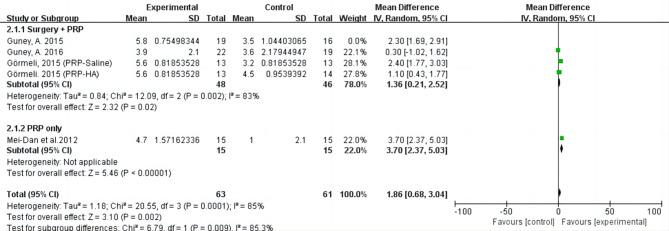
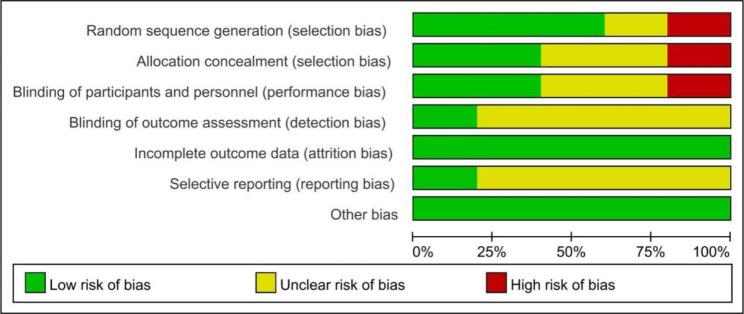
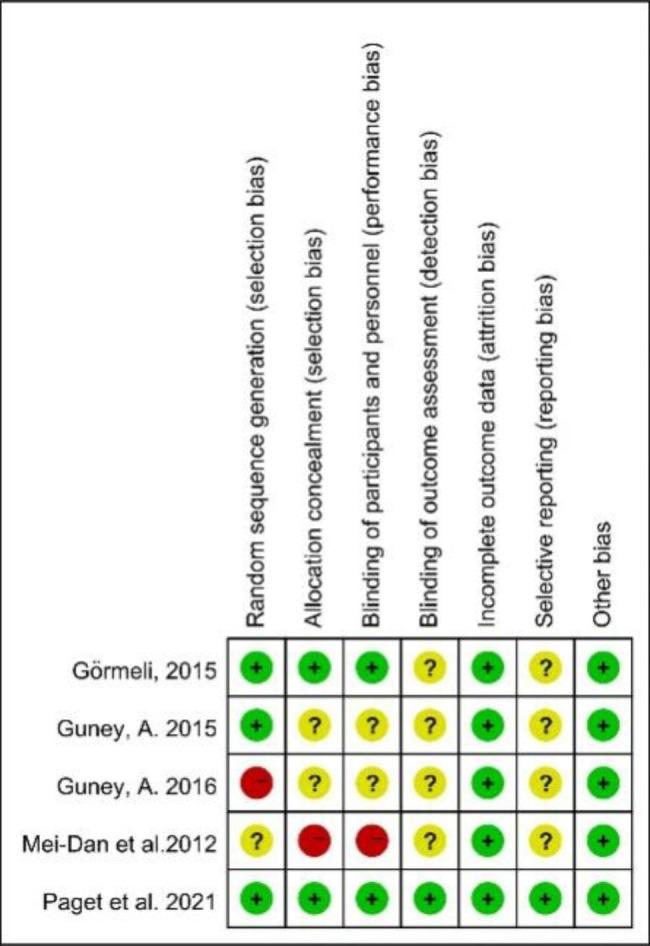
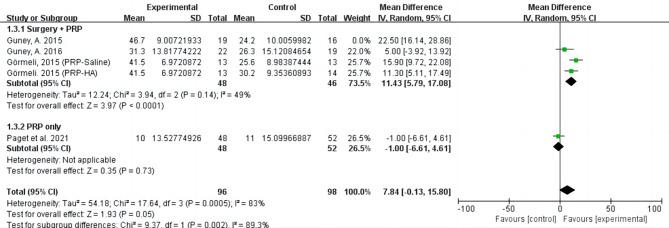
A total of 10 studies were included in this systematic review, including 4 randomized controlled trials, 1 controlled trial, 3 case series and 2 cohort studies. Four RCTs were analyzed using meta-analysis. For all outcomes, statistical results favored PRP group (AOFAS: MD = 7.84; 95% CI= [-0.13, 15.80], I = 83%, P < 0.01; VAS: MD = 1.86; 95% CI= [0.68, 3.04], I = 85%, P < 0.01). There were almost no reports of adverse events related to PRP intervention. Subgroup analysis showed that whether PRP was used alone or combined with other treatments could result in high heterogeneity but no more specific factors were identified to contribute to this.
CONCLUSION
PRP is safe and effective for talar cartilage repair. In addition to the standardization of PRP preparation and application, it is necessary to distinguish the effects of PRP used alone or in combination with other treatments. In PRP studies, surgical treatment of talar cartilage repair remains the mainstream. The regulation of PRP in surgical applications are worth exploring. The most relative component is the mesenchymal stem cell because it is the only exposed chondrocyte precursor in the articular cavity whether it is microfracture or cell transplantation.
TRIAL REGISTRATION
The study was registered in the PROSPERO International prospective register of systematic reviews (CRD42022360183).
目的
系统回顾有关富血小板血浆(PRP)促进距骨软骨修复的安全性、有效性和应用方法的研究。
方法
通过检索 PubMed、Web of Science、OVID 和 EMBASE,系统回顾比较 PRP 治疗距骨软骨修复的临床疗效的研究。主要结局为美国矫形足踝协会(AOFAS)评分功能,次要结局为视觉模拟评分(VAS)疼痛。
结果
本系统综述共纳入 10 项研究,包括 4 项随机对照试验、1 项对照试验、3 项病例系列研究和 2 项队列研究。对 4 项 RCT 进行了荟萃分析。所有结局指标,PRP 组均具有统计学优势(AOFAS:MD=7.84;95%CI=[-0.13, 15.80],I=83%,P<0.01;VAS:MD=1.86;95%CI=[0.68, 3.04],I=85%,P<0.01)。几乎没有与 PRP 干预相关的不良事件报告。亚组分析显示,PRP 单独使用或联合其他治疗方法均能取得较好疗效,但未发现更具体的因素导致这种差异。
结论
PRP 治疗距骨软骨修复是安全有效的。除了规范 PRP 的制备和应用外,还需要区分 PRP 单独使用或联合其他治疗方法的效果。在 PRP 研究中,距骨软骨修复的手术治疗仍是主流。PRP 在手术应用中的调控值得探索。最相关的成分是间充质干细胞,因为无论是微骨折还是细胞移植,它都是关节腔内唯一暴露的软骨细胞前体。
试验注册
本研究已在 PROSPERO 国际前瞻性系统评价注册库(CRD42022360183)注册。

 Zotero 插件