
癌症代谢中的信号通路:机制和治疗靶点。
Signaling pathways in cancer metabolism: mechanisms and therapeutic targets.
机构信息
Hunan Key Laboratory of Cancer Metabolism, Hunan Cancer Hospital and The Affiliated Cancer Hospital of Xiangya School of Medicine, Central South University, 410078, Changsha, Hunan, China.
NHC Key Laboratory of Carcinogenesis (Central South University), Cancer Research Institute and School of Basic Medicine, Central South University, 410078, Changsha, Hunan, China.
出版信息
Signal Transduct Target Ther. 2023 May 10;8(1):196. doi: 10.1038/s41392-023-01442-3.
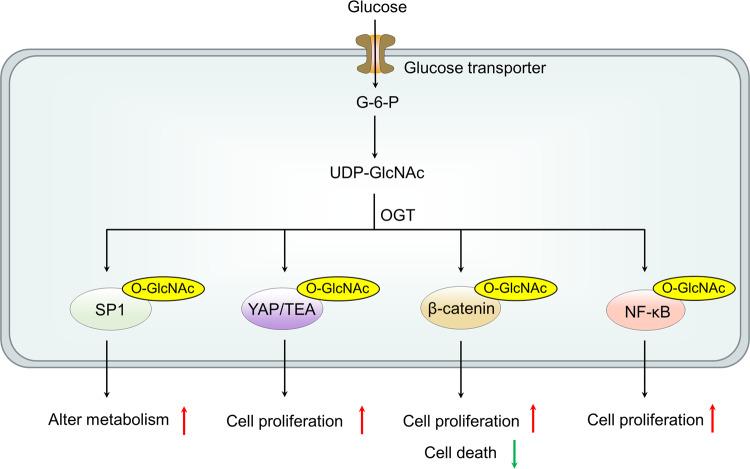
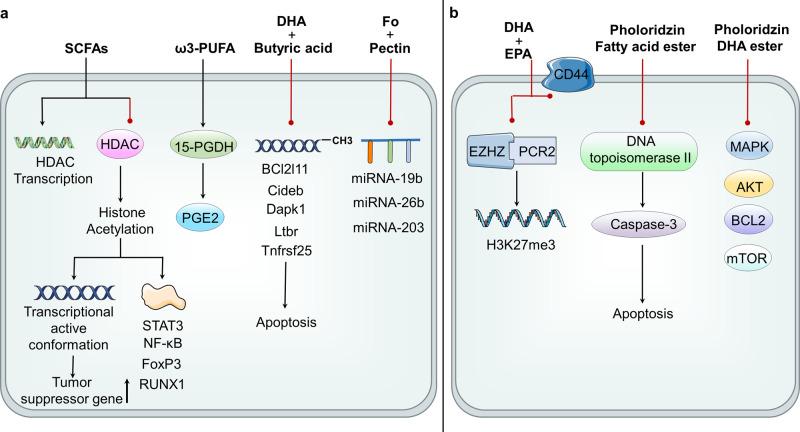
A wide spectrum of metabolites (mainly, the three major nutrients and their derivatives) can be sensed by specific sensors, then trigger a series of signal transduction pathways and affect the expression levels of genes in epigenetics, which is called metabolite sensing. Life body regulates metabolism, immunity, and inflammation by metabolite sensing, coordinating the pathophysiology of the host to achieve balance with the external environment. Metabolic reprogramming in cancers cause different phenotypic characteristics of cancer cell from normal cell, including cell proliferation, migration, invasion, angiogenesis, etc. Metabolic disorders in cancer cells further create a microenvironment including many kinds of oncometabolites that are conducive to the growth of cancer, thus forming a vicious circle. At the same time, exogenous metabolites can also affect the biological behavior of tumors. Here, we discuss the metabolite sensing mechanisms of the three major nutrients and their derivatives, as well as their abnormalities in the development of various cancers, and discuss the potential therapeutic targets based on metabolite-sensing signaling pathways to prevent the progression of cancer.
大量代谢物(主要是三大营养素及其衍生物)可被特定的传感器感知,进而触发一系列信号转导途径,并影响表观遗传学中的基因表达水平,这被称为代谢物感应。生命机体通过代谢物感应来调节代谢、免疫和炎症,协调宿主的病理生理学,以实现与外部环境的平衡。癌症中的代谢重编程导致癌细胞与正常细胞具有不同的表型特征,包括细胞增殖、迁移、侵袭、血管生成等。癌细胞中的代谢紊乱进一步创造了一个有利于癌症生长的微环境,其中包括多种致癌代谢物,从而形成恶性循环。同时,外源性代谢物也可以影响肿瘤的生物学行为。在这里,我们讨论了三大营养素及其衍生物的代谢物感应机制,以及它们在各种癌症发展过程中的异常,并讨论了基于代谢物感应信号通路的潜在治疗靶点,以阻止癌症的进展。


 Zotero 插件