
在陆生植物上非破坏性收集和环境 DNA 元条形码分析节肢动物。
Non-destructive collection and metabarcoding of arthropod environmental DNA remained on a terrestrial plant.
机构信息
Faculty of Agriculture, Kindai University, 3327-204, Nakamachi, Nara, 631-8505, Japan.
Center for Biodiversity Science, Ryukoku University, 1-5 Yokotani, Seta Oe-cho, Otsu, Shiga, 520-2194, Japan.
出版信息
Sci Rep. 2023 May 12;13(1):7125. doi: 10.1038/s41598-023-32862-4.
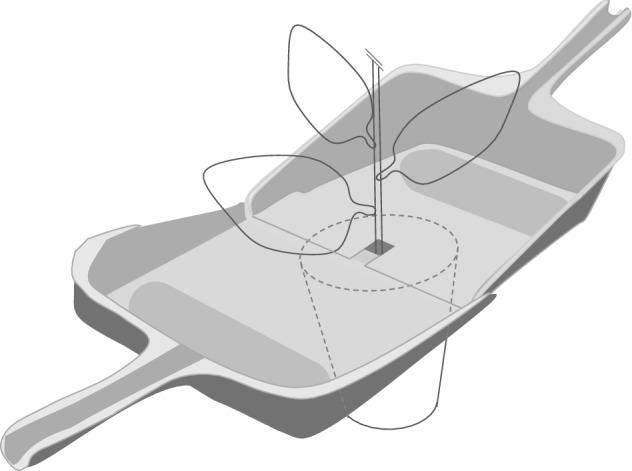
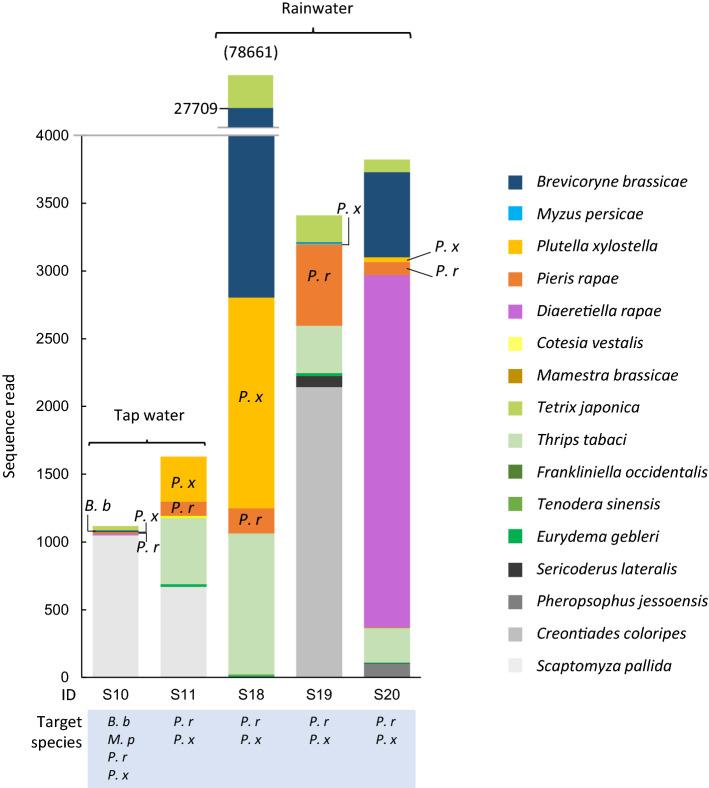
Reliable survey of arthropods is a crucial for their conservation, community ecology, and pest control on terrestrial plants. However, efficient and comprehensive surveys are hindered by challenges in collecting arthropods and identifying especially small species. To address this issue, we developed a non-destructive environmental DNA (eDNA) collection method termed "plant flow collection" to apply eDNA metabarcoding to terrestrial arthropods. This involves spraying distilled or tap water, or using rainfall, which eventually flows over the surface of the plant, and is collected in a container that is set at the plant base. DNA is extracted from collected water and a DNA barcode region of cytochrome c oxidase subunit I (COI) gene is amplified and sequenced using a high-throughput Illumina Miseq platform. We identified more than 64 taxonomic groups of arthropods at the family level, of which 7 were visually observed or artificially introduced species, whereas the other 57 groups of arthropods, including 22 species, were not observed in the visual survey. These results show that the developed method is possible to detect the arthropod eDNA remained on plants although our sample size was small and the sequence size was unevenly distributed among the three water types tested.
可靠的节肢动物调查对于它们的保护、群落生态学和陆地植物上的害虫防治至关重要。然而,收集节肢动物和鉴定特别是小物种的效率和全面性调查受到阻碍。为了解决这个问题,我们开发了一种非破坏性的环境 DNA(eDNA)收集方法,称为“植物流动收集”,将 eDNA 宏条形码应用于陆地节肢动物。这涉及喷洒蒸馏水或自来水,或使用雨水,这些水最终流过植物表面,并在植物基部设置的容器中收集。从收集的水中提取 DNA,并使用高通量 Illumina Miseq 平台扩增和测序细胞色素 c 氧化酶亚基 I(COI)基因的 DNA 条码区域。我们在科水平上鉴定了超过 64 个节肢动物分类群,其中 7 个是视觉观察或人工引入的物种,而其他 57 个节肢动物群,包括 22 个物种,在视觉调查中没有观察到。这些结果表明,尽管我们的样本量较小且三种水样的序列大小分布不均匀,但开发的方法有可能检测到留在植物上的节肢动物 eDNA。
 Zotero 插件