
应用入院时血清中性粒细胞明胶酶相关脂质运载蛋白(NGAL)浓度作为新生儿驹败血症及其预后的标志物。
Use of admission serum neutrophil gelatinase-associated lipocalin (NGAL) concentrations as a marker of sepsis and outcome in neonatal foals.
机构信息
Sydney School of Veterinary Science, University of Sydney, Camden, NSW, Australia.
Medicine and Surgery, Department of Veterinary Clinical Sciences, University of Copenhagen, Taastrup, Denmark.
出版信息
PLoS One. 2023 May 18;18(5):e0285819. doi: 10.1371/journal.pone.0285819. eCollection 2023.
BACKGROUND
Equine neonatal sepsis can be challenging to diagnose and prognosticate. Neutrophil gelatinase-associated lipocalin (NGAL), a new marker of renal damage and inflammation, can potentially be helpful.
OBJECTIVES
To evaluate NGAL in neonatal foals with sepsis, and assess its relation to outcome.
ANIMALS
Foals ≤ 14 days, with admission blood analysis and stored serum.
METHODS
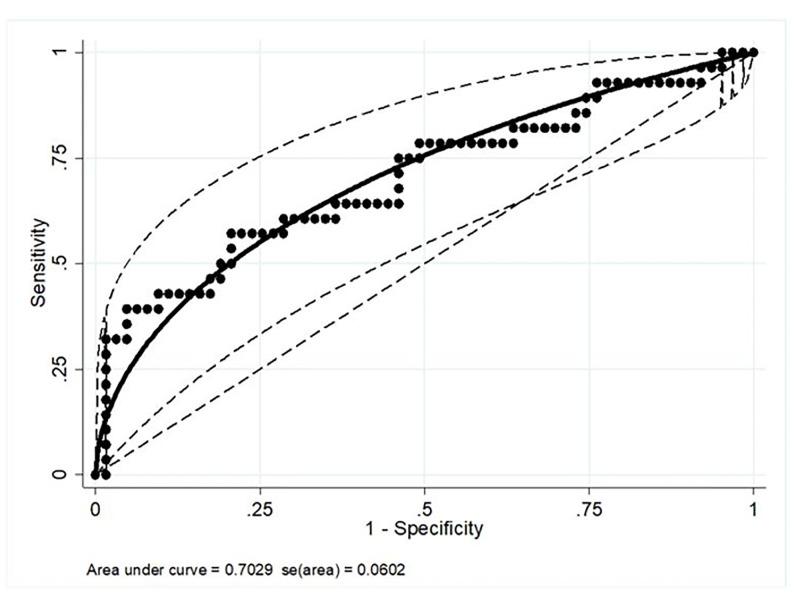
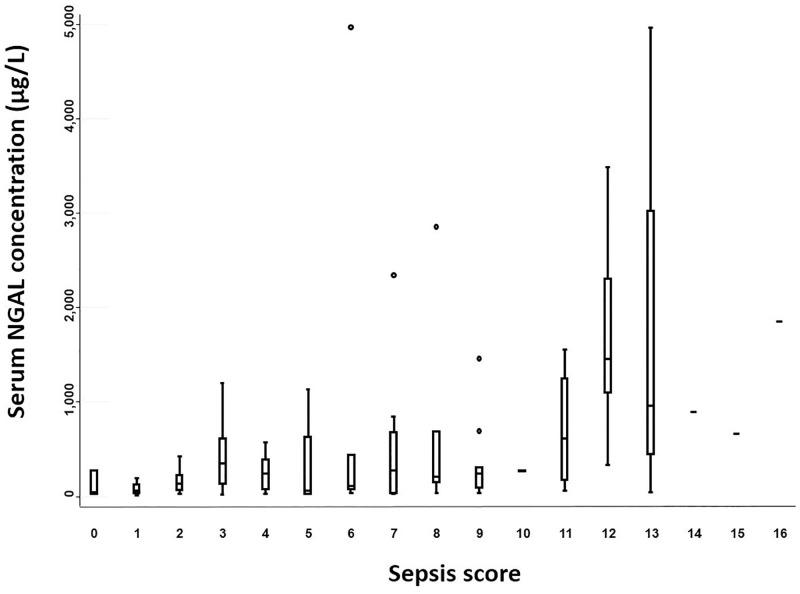
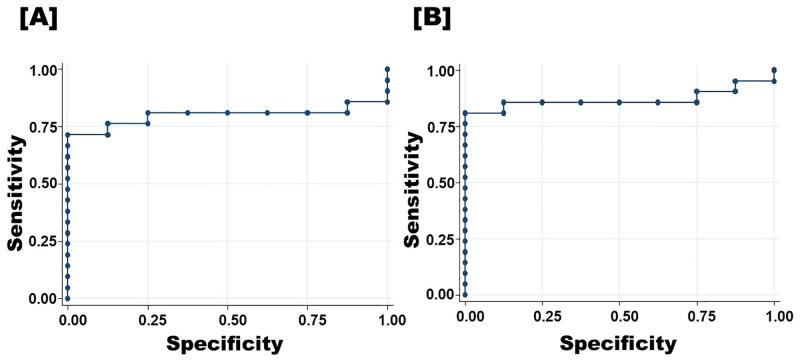
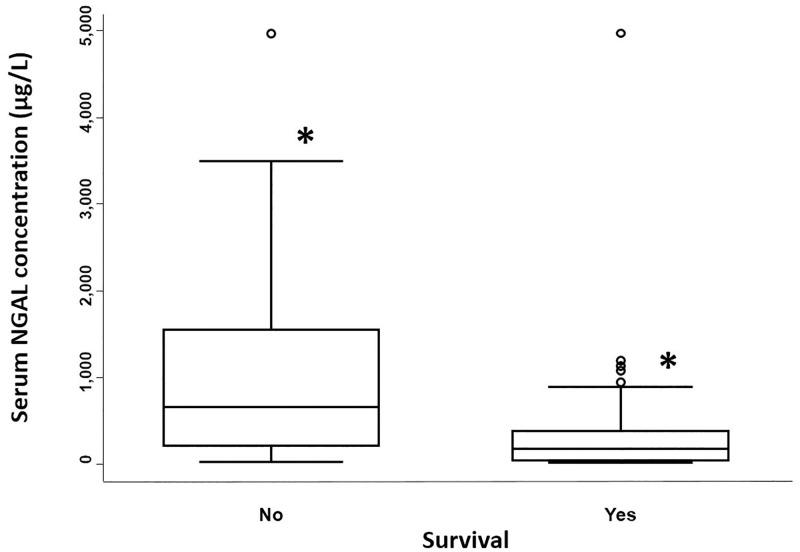
NGAL was measured on stored serum from 91 foals. Foals were scored for sepsis and survival and categorized according to sepsis status (septic, sick non-septic, healthy, and uncertain sepsis status) and outcome groups (survivors and non-survivors). The septic foals were further sub-categorized according to severity (normal sepsis, severe sepsis and septic shock). A Kruskal-Wallis test was used to compare serum NGAL concentrations in survivors and non-survivors, in the sepsis status groups, and in the sepsis severity groups. Optimal cut-off values for serum NGAL concentrations to diagnose sepsis and outcome were determined with receiver operating characteristic (ROC) curves. NGAL was compared to creatinine and SAA.
RESULTS
Median serum NGAL concentrations were significantly higher in septic than non-septic foals. However, serum NGAL concentrations did not differ between sepsis severity subgroups. Serum NGAL concentrations were significantly lower in survivors than in non-survivors. Optimal cut-off values of serum NGAL concentrations were 455 μg/L (sensitivity 71.4%, specificity 100%) and 1104 μg/L (sensitivity 39.3%, specificity 95.2%) for predicting sepsis and non-survival, respectively. NGAL correlated to SAA, but not to creatinine. NGAL performed similarly to SAA to diagnose sepsis.
CONCLUSION
Serum NGAL concentrations may be useful for diagnosing sepsis and predicting outcome.
背景
马驹败血症的诊断和预后具有挑战性。中性粒细胞明胶酶相关脂质运载蛋白(NGAL)是一种新的肾损伤和炎症标志物,可能具有一定的辅助作用。
目的
评估 NGAL 在败血症新生驹中的作用,并评估其与预后的关系。
动物
≤ 14 日龄的驹,具有入院时的血液分析和储存的血清。
方法
检测 91 匹驹储存的血清中的 NGAL。根据败血症和存活情况对驹进行评分,并根据败血症状态(败血症、疑似败血症但无感染、健康和不确定败血症状态)和预后分组(存活和非存活)进行分类。根据严重程度(正常败血症、严重败血症和败血症性休克),将败血症驹进一步细分为亚组。采用 Kruskal-Wallis 检验比较存活和非存活驹、败血症状态组以及败血症严重程度组之间的血清 NGAL 浓度。使用受试者工作特征(ROC)曲线确定血清 NGAL 浓度诊断败血症和预后的最佳截断值。将 NGAL 与肌酐和 SAA 进行比较。
结果
败血症驹的血清 NGAL 浓度中位数显著高于非败血症驹。然而,败血症严重程度亚组之间的血清 NGAL 浓度没有差异。存活驹的血清 NGAL 浓度显著低于非存活驹。血清 NGAL 浓度的最佳截断值分别为 455 μg/L(灵敏度 71.4%,特异性 100%)和 1104 μg/L(灵敏度 39.3%,特异性 95.2%),可分别预测败血症和非存活。NGAL 与 SAA 相关,但与肌酐不相关。NGAL 诊断败血症的效果与 SAA 相似。
结论
血清 NGAL 浓度可能有助于诊断败血症和预测预后。


 Zotero 插件