
英国公众佩戴口罩对减少大流行病传播的影响及效果:一次性口罩与可重复使用口罩的多学科比较
The impact and effectiveness of the general public wearing masks to reduce the spread of pandemics in the UK: a multidisciplinary comparison of single-use masks versus reusable face masks.
作者信息
Allison Ayşe Lisa, Ambrose-Dempster Esther, Bawn Maria, Arredondo Miguel Casas, Chau Charnett, Chandler Kimberley, Dobrijevic Dragana, Aparasi Teresa Domenech, Hailes Helen C, Lettieri Paola, Liu Chao, Medda Francesca, Michie Susan, Miodownik Mark, Munro Beth, Purkiss Danielle, Ward John M
机构信息
UCL Plastic Waste Innovation Hub, University College London, 90 Tottenham Court Road, London W1T 4TJ, UK.
出版信息
UCL Open Environ. 2021 Aug 25;3:e022. doi: 10.14324/111.444/ucloe.000022. eCollection 2021.
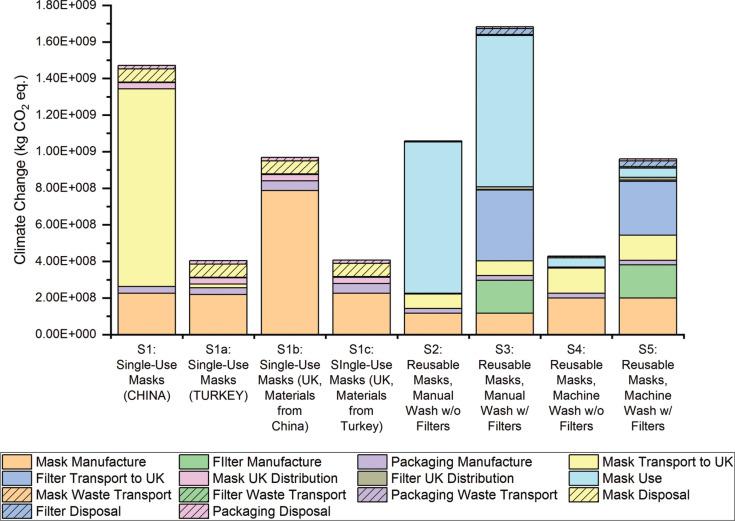
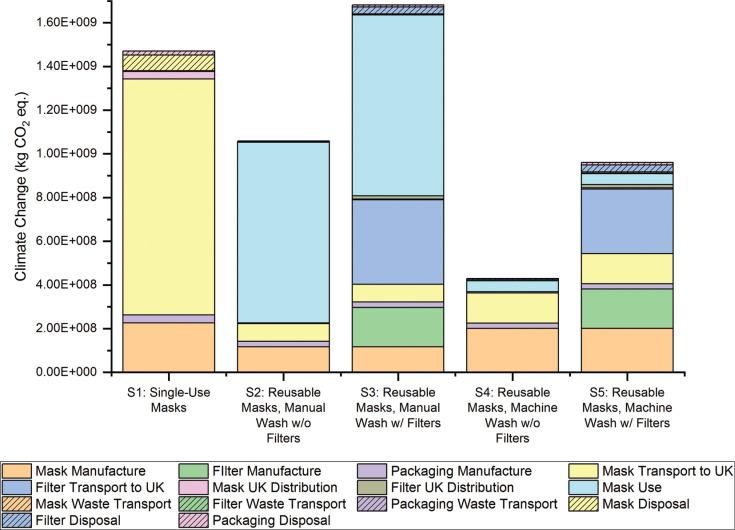
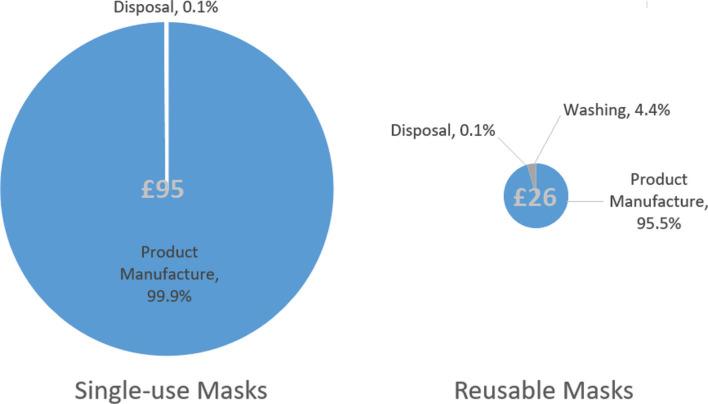
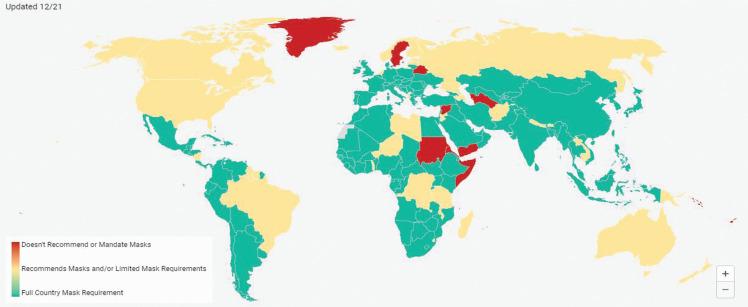
During the coronavirus (COVID-19) pandemic, the UK government mandated the use of face masks in various public settings and recommended the use of reusable masks to combat shortages of medically graded single-use masks in healthcare. To assist decision-making on the choice of masks for future pandemics, where shortages may not be a contributing factor, the University College London (UCL) Plastic Waste Innovation Hub has carried out a multidisciplinary comparison between single-use and reusable masks based on their anatomy, standalone effectiveness, behavioural considerations, environmental impact and costs. Although current single-use masks have a higher standalone effectiveness against bacteria and viruses, studies show that reusable masks have adequate performance in slowing infection rates of respiratory viruses. Material flow analysis (MFA), life cycle assessment (LCA) and cost comparison show that reusable masks have a lower environmental and economic impact than single-use masks. If every person in the UK uses one single-use mask each day for a year, it will create a total of 124,000 tonnes of waste, 66,000 tonnes of which would be unrecyclable contaminated plastic waste (the masks), with the rest being the recyclable packaging typically used for transportation and distribution of masks. Using reusable masks creates >85% less waste, generates 3.5 times lower impact on climate change and incurs 3.7 times lower costs. Further behavioural research is necessary to understand the extent and current practices of mask use; and how these practices affect mask effectiveness in reducing infection rates. Wearing single-use masks may be preferred over reusable masks due to perceptions of increased hygiene and convenience. Understanding behaviour towards the regular machine-washing of reusable masks for their effective reuse is key to maximise their public health benefits and minimise environmental and economic costs.
在冠状病毒(COVID-19)大流行期间,英国政府规定在各种公共场所使用口罩,并建议使用可重复使用的口罩,以应对医疗保健领域医用级一次性口罩短缺的问题。为了协助在未来大流行中选择口罩时进行决策(届时短缺可能不是一个影响因素),伦敦大学学院(UCL)塑料废物创新中心基于一次性口罩和可重复使用口罩的结构、独立有效性、行为因素、环境影响和成本进行了多学科比较。尽管目前一次性口罩对细菌和病毒的独立防护效果更高,但研究表明,可重复使用口罩在减缓呼吸道病毒感染率方面具有足够的性能。物质流分析(MFA)、生命周期评估(LCA)和成本比较表明,可重复使用口罩对环境和经济的影响低于一次性口罩。如果英国每个人每天使用一个一次性口罩,持续一年,将总共产生12.4万吨废物,其中6.6万吨将是不可回收的受污染塑料废物(口罩),其余是通常用于口罩运输和分发的可回收包装。使用可重复使用口罩可减少85%以上的废物产生,对气候变化的影响降低3.5倍,成本降低3.7倍。有必要进行进一步的行为研究,以了解口罩使用的程度和当前做法;以及这些做法如何影响口罩在降低感染率方面的有效性。由于人们认为一次性口罩卫生性和便利性更高,所以可能更倾向于佩戴一次性口罩。了解人们对可重复使用口罩进行定期机洗以实现有效重复使用的行为,是最大限度发挥其公共卫生效益并最小化环境和经济成本的关键。



 Zotero 插件