
眼部再生疗法的进展
Advancements in Ocular Regenerative Therapies.
作者信息
Tomczak Wojciech, Winkler-Lach Weronika, Tomczyk-Socha Martyna, Misiuk-Hojło Marta
机构信息
Lower Silesian Oncology Center, 53413 Wroclaw, Poland.
Department of Ophthalmology, Wroclaw Medical University, 50556 Wroclaw, Poland.
出版信息
Biology (Basel). 2023 May 19;12(5):737. doi: 10.3390/biology12050737.
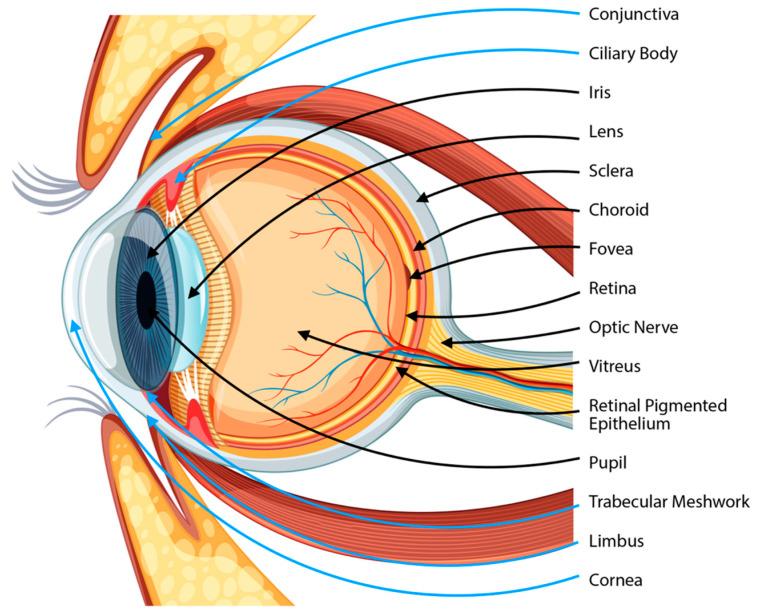
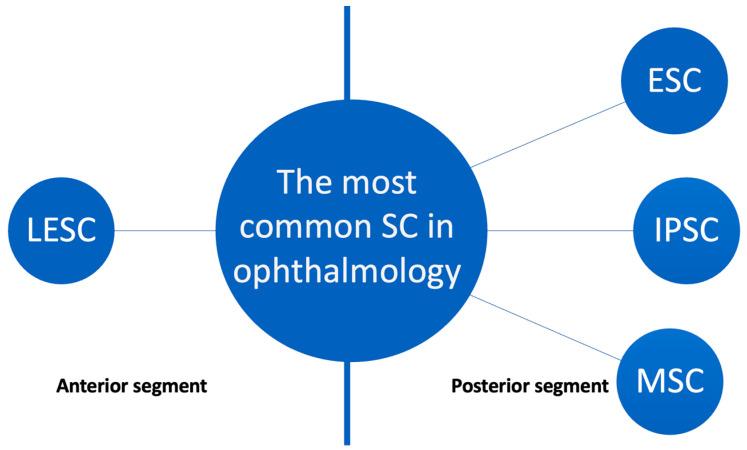
The use of stem cells (SCs) has emerged as a promising avenue in ophthalmology, offering potential therapeutic solutions for various vision impairments and degenerative eye diseases. SCs possess the unique ability to self-renew and differentiate into specialised cell types, making them valuable tools for repairing damaged tissues and restoring visual function. Stem cell-based therapies hold significant potential for addressing conditions such as age-related macular degeneration (AMD), retinitis pigmentosa (RP), corneal disorders, and optic nerve damage. Therefore, researchers have explored different sources of stem cells, including embryonic stem cells (ESC), induced pluripotent stem cells (iPSCs), and adult stem cells, for ocular tissue regeneration. Preclinical studies and early-phase clinical trials have demonstrated promising outcomes, with some patients experiencing improved vision following stem cell-based interventions. However, several challenges remain, including optimising the differentiation protocols, ensuring transplanted cells' safety and long-term viability, and developing effective delivery methods. The field of stem cell research in ophthalmology witnesses a constant influx of new reports and discoveries. To effectively navigate these tons of information, it becomes crucial to summarise and systematise these findings periodically. In light of recent discoveries, this paper demonstrates the potential applications of stem cells in ophthalmology, focusing on their use in various eye tissues, including the cornea, retina, conjunctiva, iris, trabecular meshwork, lens, ciliary body, sclera, and orbital fat.
干细胞(SCs)的应用已成为眼科领域一条充满前景的途径,为各种视力障碍和退行性眼病提供了潜在的治疗方案。干细胞具有自我更新和分化为特定细胞类型的独特能力,使其成为修复受损组织和恢复视觉功能的宝贵工具。基于干细胞的疗法在治疗诸如年龄相关性黄斑变性(AMD)、视网膜色素变性(RP)、角膜疾病和视神经损伤等病症方面具有巨大潜力。因此,研究人员探索了不同的干细胞来源,包括胚胎干细胞(ESC)、诱导多能干细胞(iPSC)和成体干细胞,用于眼部组织再生。临床前研究和早期临床试验已显示出令人鼓舞的结果,一些患者在接受基于干细胞的干预后视力得到改善。然而,仍存在一些挑战,包括优化分化方案、确保移植细胞的安全性和长期存活能力,以及开发有效的递送方法。眼科领域的干细胞研究不断有新的报告和发现涌入。为了有效地梳理这些海量信息,定期总结和系统化这些发现变得至关重要。鉴于最近的发现,本文展示了干细胞在眼科中的潜在应用,重点介绍了它们在各种眼部组织中的应用,包括角膜、视网膜、结膜、虹膜、小梁网、晶状体、睫状体、巩膜和眶脂肪。

 Zotero 插件