
对 33 种人类癌症的综合分析揭示了溶质载体家族 35 成员 A2 的临床意义和免疫治疗价值。
Comprehensive analysis of 33 human cancers reveals clinical implications and immunotherapeutic value of the solute carrier family 35 member A2.
机构信息
Department of Thoracic Surgery, Jiangmen Central Hospital, Jiangmen, Guangdong, China.
Scientific Research Center, The Seventh Affiliated Hospital, Sun Yat-Sen University, Shenzhen, Guangdong, China.
出版信息
Front Immunol. 2023 May 18;14:1155182. doi: 10.3389/fimmu.2023.1155182. eCollection 2023.
BACKGROUND
Solute carrier family 35 member A2 (SLC35A2), which belongs to the SLC35 solute carrier family of human nucleoside sugar transporters, has shown regulatory roles in various tumors and neoplasms. However, the function of SLC35A2 across human cancers remains to be systematically assessed. Insights into the prediction ability of SLC35A2 in clinical practice and immunotherapy response remains limited.
MATERIALS AND METHODS
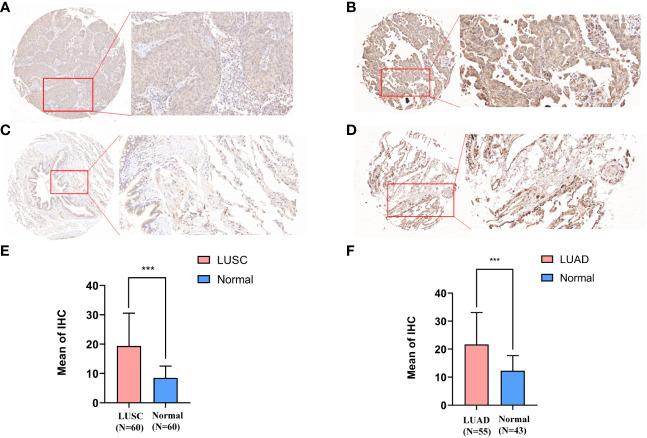
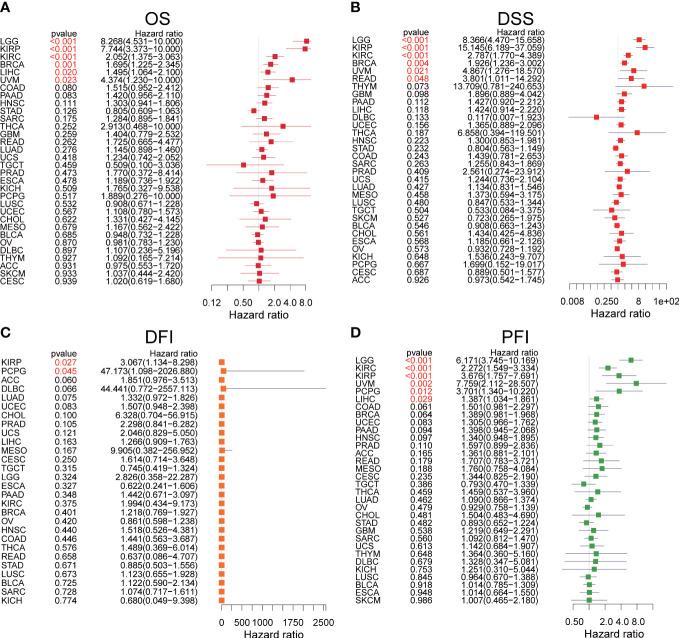
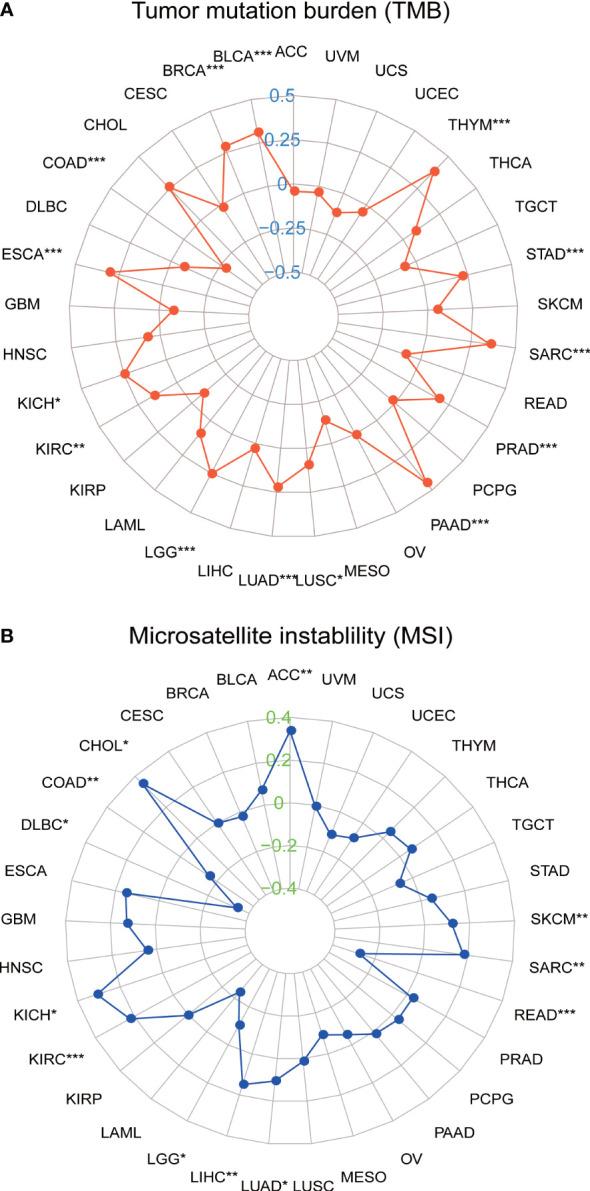
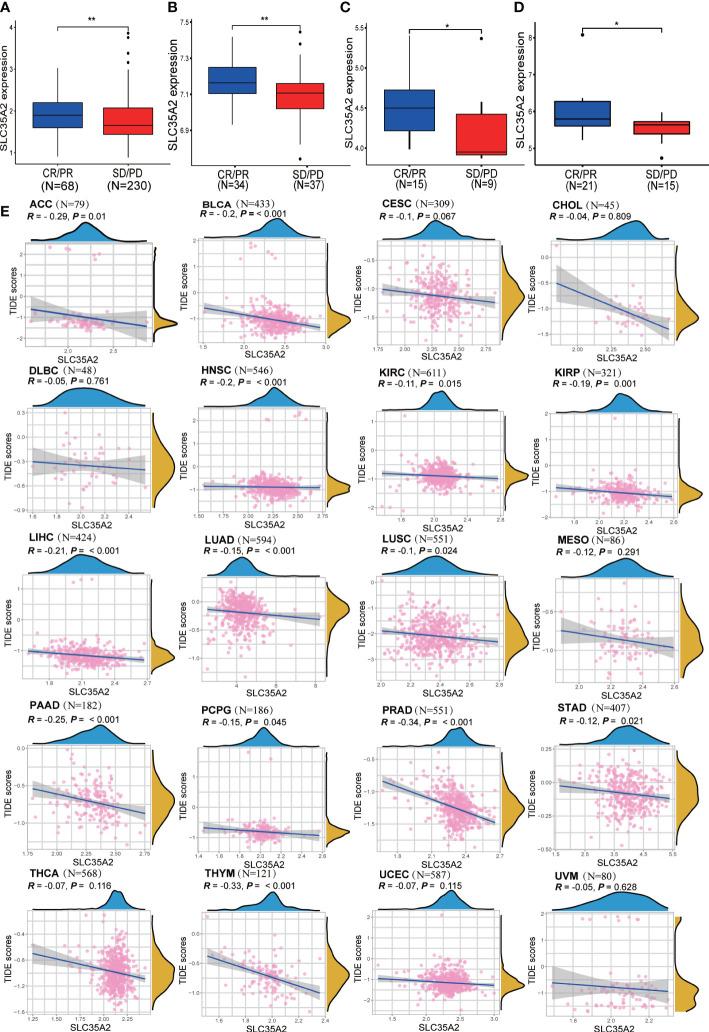
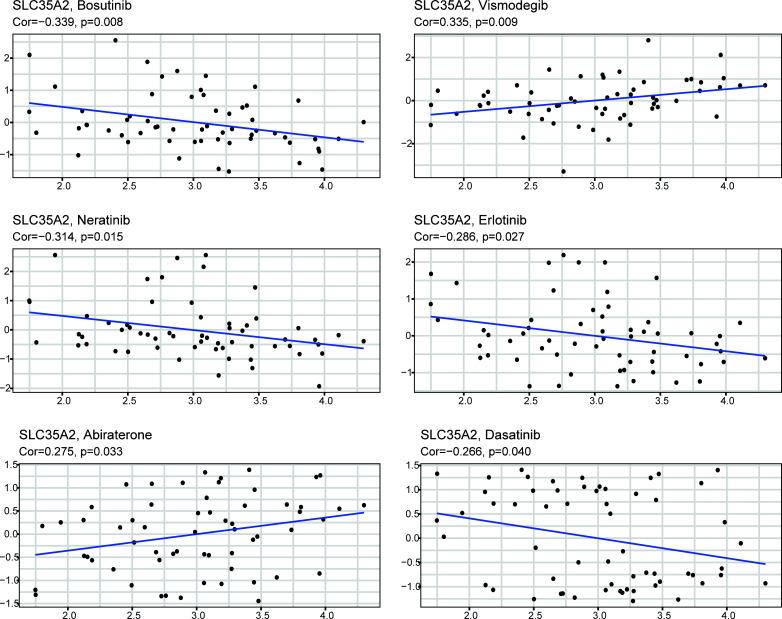
We obtained the gene expression and protein levels of SLC35A2 in a variety of tumors from Molecular Taxonomy of Breast Cancer International Consortium, The Cancer Genome Atlas, Gene Expression Omnibus, Chinese Glioma Genome Atlas, and Human Protein Atlas databases. The SLC35A2 level was validated by immunohistochemistry. The predictive value for prognosis was evaluated by Kaplan-Meier survival and Cox regression analyses. Correlations between SLC35A2 expression and DNA methylation, genetic alterations, tumor mutation burden (TMB), microsatellite instability (MSI), and tumor microenvironment were performed using Spearman's correlation analysis. The possible downstream pathways of SLC35A2 in different human cancers were explored using gene set variation analysis. The potential role of SLC35A2 in the tumor immune microenvironment was evaluated EPIC, CIBERSORT, MCP-counter, CIBERSORT-ABS, quanTIseq, TIMER, and xCell algorithms. The difference in the immunotherapeutic response of SLC35A2 under different expression conditions was evaluated by the tumor immune dysfunction and exclusion (TIDE) score as well as four independent immunotherapy cohorts, which includes patients with bladder urothelial carcinoma (BLCA, N = 299), non-small cell lung cancer (NSCLC, N = 72 and N = 36) and skin cutaneous melanoma (SKCM, N = 25). Potential drugs were identified using the CellMiner database and molecular docking.
RESULTS
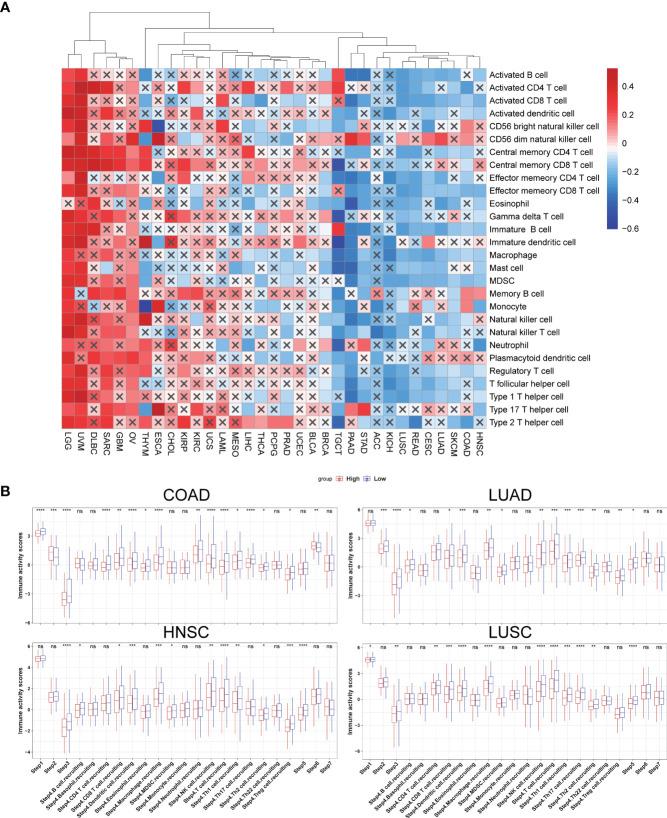
SLC35A2 exhibited abnormally high or low expression in 23 cancers and was significantly associated with the prognosis. In various cancers, SLC35A2 expression and mammalian target of rapamycin complex 1 signaling were positively correlated. Multiple algorithmic immune infiltration analyses suggested an inverse relation between SLC35A2 expression and infiltrating immune cells, which includes CD4+T cells, CD8+T cells, B cells, and natural killer cells (NK) in various tumors. Furthermore, SLC35A2 expression was significantly correlated with pan-cancer immune checkpoints, TMB, MSI, and TIDE genes. SLC35A2 showed significant predictive value for the immunotherapy response of patients with diverse cancers. Two drugs, vismodegib and abiraterone, were identified, and the free binding energy of cytochrome P17 with abiraterone was higher than that of SLC35A2 with abiraterone.
CONCLUSION
Our study revealed that SLC35A2 is upregulated in 20 types of cancer, including lung adenocarcinoma (LUAD), breast invasive carcinoma (BRCA), colon adenocarcinoma (COAD), and lung squamous cell carcinoma (LUSC). The upregulated SLC35A2 in five cancer types indicates a poor prognosis. Furthermore, there was a positive correlation between the overexpression of SLC35A2 and reduced lymphocyte infiltration in 13 cancer types, including BRCA and COAD. Based on data from several clinical trials, patients with LUAD, LUSC, SKCM, and BLCA who exhibited high SLC35A2 expression may experience improved immunotherapy response. Therefore, SLC35A2 could be considered a potential predictive biomarker for the prognosis and immunotherapy efficacy of various tumors. Our study provides a theoretical basis for further investigating its prognostic and therapeutic potentials.
背景
溶质载体家族 35 成员 A2(SLC35A2)属于人类核苷糖转运体的 SLC35 溶质载体家族,在各种肿瘤和肿瘤中表现出调节作用。然而,SLC35A2 在人类癌症中的功能仍需系统评估。对 SLC35A2 在临床实践和免疫治疗反应中的预测能力的了解仍然有限。
材料和方法
我们从乳腺癌国际分类联盟、癌症基因组图谱、基因表达综合数据库、中国神经胶质瘤基因组图谱和人类蛋白质图谱数据库中获得了各种肿瘤中 SLC35A2 的基因表达和蛋白水平。通过免疫组织化学验证 SLC35A2 水平。通过 Kaplan-Meier 生存和 Cox 回归分析评估预后的预测价值。使用 Spearman 相关分析对 SLC35A2 表达与 DNA 甲基化、遗传改变、肿瘤突变负荷(TMB)、微卫星不稳定性(MSI)和肿瘤微环境之间的相关性进行分析。使用基因集变异分析探索不同人类癌症中 SLC35A2 的可能下游途径。使用 EPIC、CIBERSORT、MCP-counter、CIBERSORT-ABS、quanTIseq、TIMER 和 xCell 算法评估 SLC35A2 在肿瘤免疫微环境中的潜在作用。通过肿瘤免疫功能障碍和排除(TIDE)评分以及四个独立的免疫治疗队列评估 SLC35A2 在不同表达条件下的免疫治疗反应差异,其中包括膀胱癌(BLCA,N=299)、非小细胞肺癌(NSCLC,N=72 和 N=36)和皮肤黑色素瘤(SKCM,N=25)患者。使用 CellMiner 数据库和分子对接鉴定潜在药物。
结果
SLC35A2 在 23 种癌症中表现出异常高或低表达,与预后显著相关。在各种癌症中,SLC35A2 表达与哺乳动物雷帕霉素复合物 1 信号呈正相关。多种算法免疫浸润分析表明,SLC35A2 表达与各种肿瘤中浸润免疫细胞(包括 CD4+T 细胞、CD8+T 细胞、B 细胞和自然杀伤细胞(NK))呈负相关。此外,SLC35A2 表达与泛癌免疫检查点、TMB、MSI 和 TIDE 基因显著相关。SLC35A2 对不同癌症患者的免疫治疗反应具有显著的预测价值。鉴定出两种药物,维莫德吉和阿比特龙,并且阿比特龙与 SLC35A2 的结合自由能高于阿比特龙与 SLC35A2 的结合自由能。
结论
我们的研究表明,SLC35A2 在 20 种癌症中上调,包括肺腺癌(LUAD)、乳腺癌浸润性癌(BRCA)、结肠癌腺癌(COAD)和肺鳞状细胞癌(LUSC)。五种癌症类型中 SLC35A2 的上调表明预后不良。此外,在 13 种癌症类型中,包括 BRCA 和 COAD,SLC35A2 的过表达与淋巴细胞浸润减少呈正相关。基于几项临床试验的数据,LUAD、LUSC、SKCM 和 BLCA 患者中 SLC35A2 表达较高的患者可能会对免疫治疗有更好的反应。因此,SLC35A2 可被视为各种肿瘤预后和免疫治疗疗效的潜在预测生物标志物。我们的研究为进一步研究其预后和治疗潜力提供了理论依据。




 Zotero 插件