
免疫细胞中的氨基酸代谢:效应功能的必需调节剂,以及增强癌症免疫治疗的有希望的机会。
Amino acid metabolism in immune cells: essential regulators of the effector functions, and promising opportunities to enhance cancer immunotherapy.
机构信息
Chongqing University Medical School, Chongqing, 400044, People's Republic of China.
Department of Gastroenterology and Chongqing Key Laboratory of Digestive Malignancies, Daping Hospital, Army Medical University (Third Military Medical University), 10# Changjiang Branch Road, Yuzhong District, Chongqing, 400042, People's Republic of China.
出版信息
J Hematol Oncol. 2023 Jun 5;16(1):59. doi: 10.1186/s13045-023-01453-1.
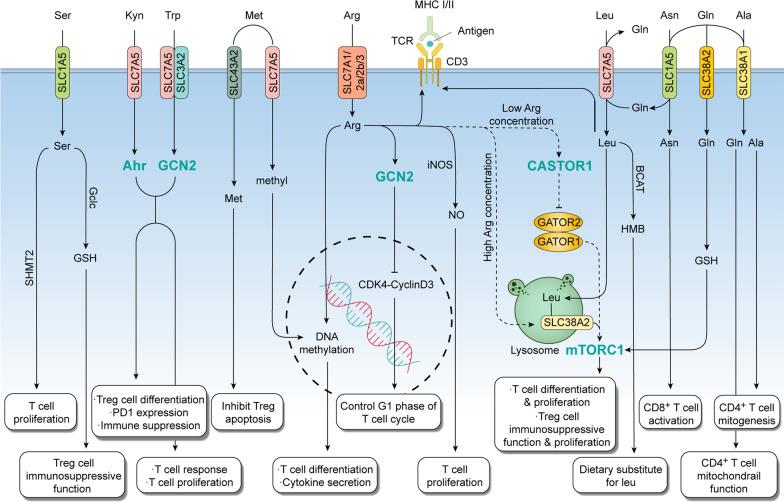
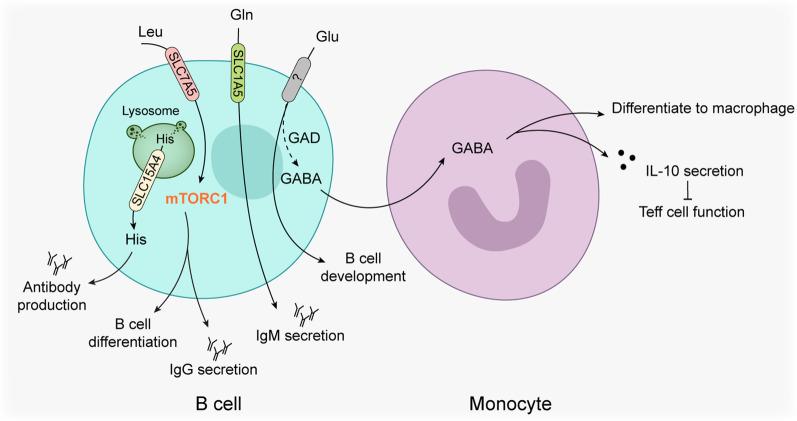
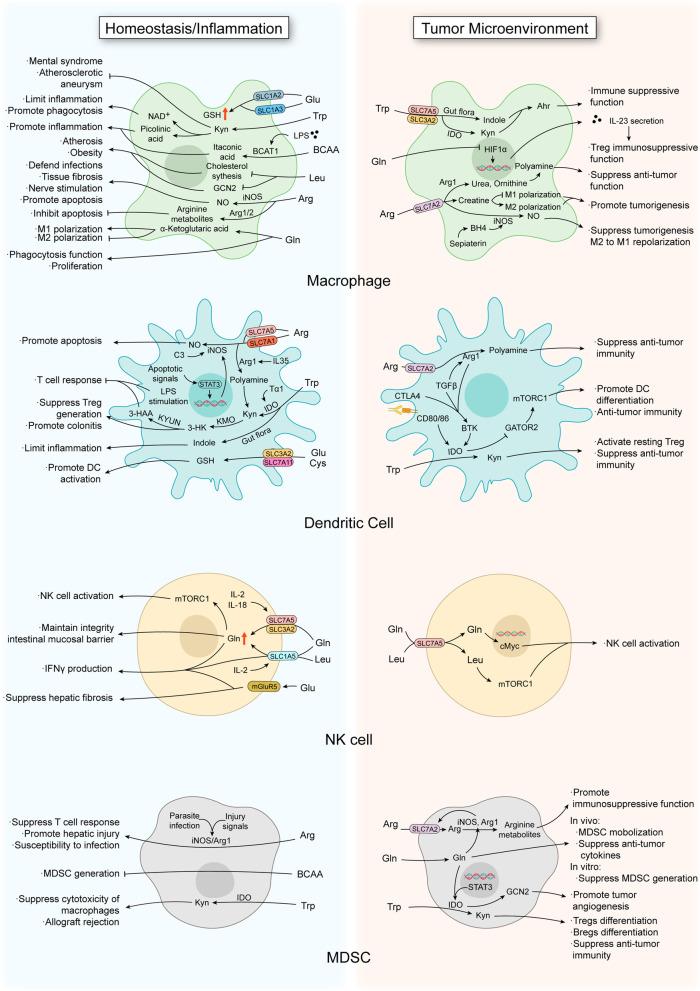
Amino acids are basic nutrients for immune cells during organ development, tissue homeostasis, and the immune response. Regarding metabolic reprogramming in the tumor microenvironment, dysregulation of amino acid consumption in immune cells is an important underlying mechanism leading to impaired anti-tumor immunity. Emerging studies have revealed that altered amino acid metabolism is tightly linked to tumor outgrowth, metastasis, and therapeutic resistance through governing the fate of various immune cells. During these processes, the concentration of free amino acids, their membrane bound transporters, key metabolic enzymes, and sensors such as mTOR and GCN2 play critical roles in controlling immune cell differentiation and function. As such, anti-cancer immune responses could be enhanced by supplement of specific essential amino acids, or targeting the metabolic enzymes or their sensors, thereby developing novel adjuvant immune therapeutic modalities. To further dissect metabolic regulation of anti-tumor immunity, this review summarizes the regulatory mechanisms governing reprogramming of amino acid metabolism and their effects on the phenotypes and functions of tumor-infiltrating immune cells to propose novel approaches that could be exploited to rewire amino acid metabolism and enhance cancer immunotherapy.
氨基酸是免疫细胞在器官发育、组织稳态和免疫反应过程中的基本营养物质。关于肿瘤微环境中的代谢重编程,免疫细胞中氨基酸消耗的失调是导致抗肿瘤免疫受损的重要潜在机制。新兴的研究表明,通过调节各种免疫细胞的命运,改变氨基酸代谢与肿瘤生长、转移和治疗耐药性密切相关。在这些过程中,游离氨基酸的浓度、它们的膜结合转运蛋白、关键代谢酶以及 mTOR 和 GCN2 等传感器在控制免疫细胞分化和功能方面起着关键作用。因此,通过补充特定的必需氨基酸或靶向代谢酶或其传感器,可以增强抗肿瘤免疫反应,从而开发新的辅助免疫治疗模式。为了进一步剖析抗肿瘤免疫的代谢调控,本综述总结了调节氨基酸代谢重编程的调控机制及其对浸润肿瘤的免疫细胞表型和功能的影响,提出了可以利用这些机制来重新构建氨基酸代谢并增强癌症免疫治疗的新方法。

 Zotero 插件