
基于与引发肝毒性潜力相关的受体结合/生物活化/作用机制解释来鉴定化学物质,并支持基于构效关系的类推。
Identifying chemicals based on receptor binding/bioactivation/mechanistic explanation associated with potential to elicit hepatotoxicity and to support structure activity relationship-based read-across.
作者信息
Wu Shengde, Daston George, Rose Jane, Blackburn Karen, Fisher Joan, Reis Allison, Selman Bastian, Naciff Jorge
机构信息
Central Product Safety Department, The Procter & Gamble Company, 8700 Mason Montgomery Rd, Cincinnati, OH 45040 USA.
出版信息
Curr Res Toxicol. 2023 Jun 10;5:100108. doi: 10.1016/j.crtox.2023.100108. eCollection 2023.
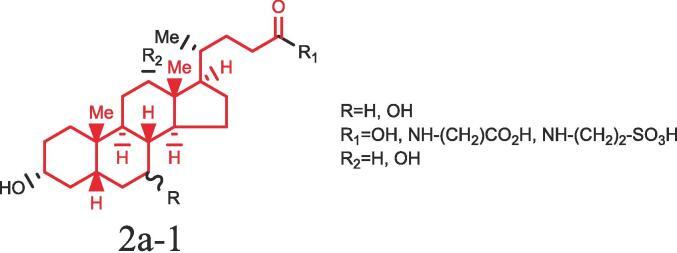
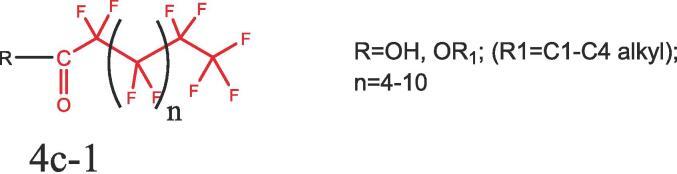
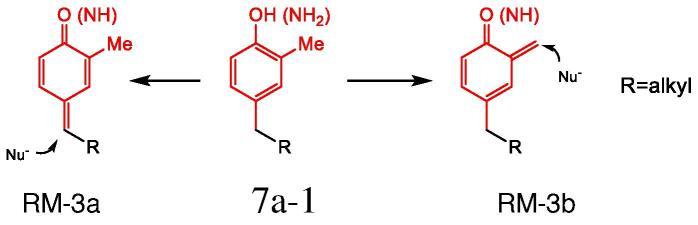
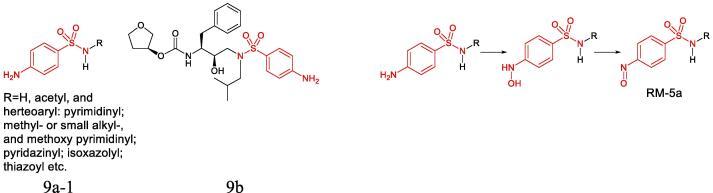
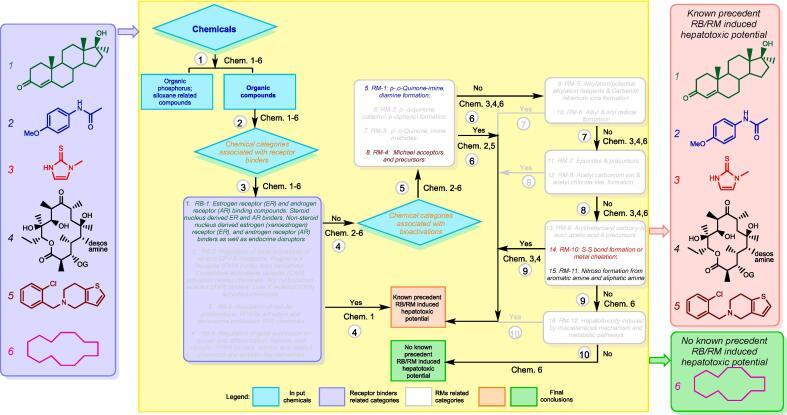
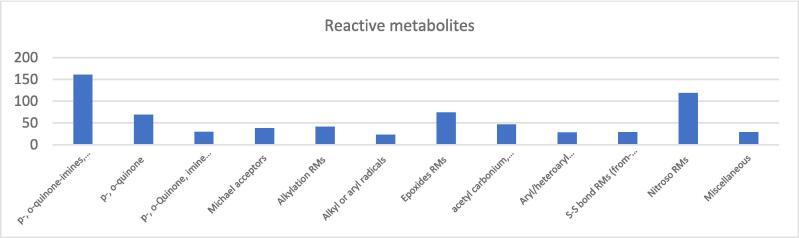
The liver is the most common target organ in toxicology studies. The development of chemical structural alerts for identifying hepatotoxicity will play an important role in model prediction and help strengthen the identification of analogs used in structure activity relationship (SAR)- based read-across. The aim of the current study is development of an SAR-based expert-system decision tree for screening of hepatotoxicants across a wide range of chemistry space and proposed modes of action for clustering of chemicals using defined core chemical categories based on receptor-binding or bioactivation. The decision tree is based on ∼ 1180 different chemicals that were reviewed for hepatotoxicity information. Knowledge of chemical receptor binding, metabolism and mechanistic information were used to group these chemicals into 16 different categories and 102 subcategories: four categories describe binders to 9 different receptors, 11 categories are associated with possible reactive metabolites (RMs) and there is one miscellaneous category. Each chemical subcategory has been associated with possible modes of action (MOAs) or similar key structural features. This decision tree can help to screen potential liver toxicants associated with core structural alerts of receptor binding and/or RMs and be used as a component of weight of evidence decisions based on SAR read-across, and to fill data gaps.
肝脏是毒理学研究中最常见的靶器官。开发用于识别肝毒性的化学结构警报将在模型预测中发挥重要作用,并有助于加强基于结构活性关系(SAR)的类推法中所用类似物的识别。本研究的目的是开发一种基于SAR的专家系统决策树,用于在广泛的化学空间中筛选肝毒性物质,并提出基于受体结合或生物活化使用定义的核心化学类别对化学物质进行聚类的作用模式。该决策树基于约1180种不同的化学物质,这些物质已针对肝毒性信息进行了审查。利用化学受体结合、代谢和作用机制信息的知识,将这些化学物质分为16个不同类别和102个子类别:4个类别描述与9种不同受体的结合物,11个类别与可能的反应性代谢物(RM)相关,还有一个杂项类别。每个化学子类别都与可能的作用模式(MOA)或类似的关键结构特征相关联。该决策树有助于筛选与受体结合和/或RM的核心结构警报相关的潜在肝脏毒物,并用作基于SAR类推法的证据权重决策的一个组成部分,以填补数据空白。












 Zotero 插件