
L.甲醇提取物的气相色谱-质谱分析、抗菌及抗癌活性:体外和计算机模拟研究
GC-MS Analysis, Antibacterial, and Anticancer Activities of L. Methanolic Extract: In Vitro and In Silico Studies.
作者信息
Sehim Amira E, Amin Basma H, Yosri Mohammed, Salama Hanaa M, Alkhalifah Dalal Hussien, Alwaili Maha Abdullah, Abd Elghaffar Rasha Y
机构信息
Botany and Microbiology Department, Faculty of Science, Benha University, Benha 13518, Egypt.
The Regional Center for Mycology and Biotechnology, Al-Azhar University, Cairo 11787, Egypt.
出版信息
Microorganisms. 2023 Jun 16;11(6):1601. doi: 10.3390/microorganisms11061601.
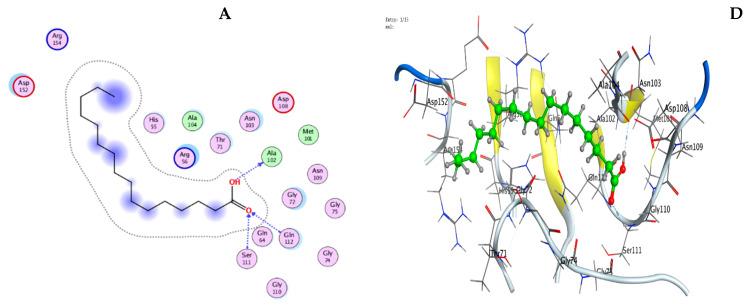
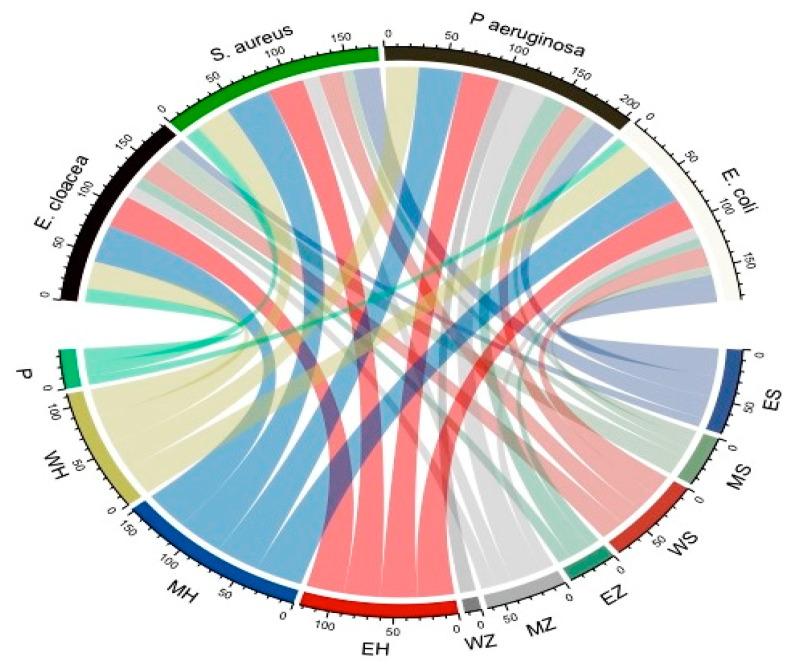
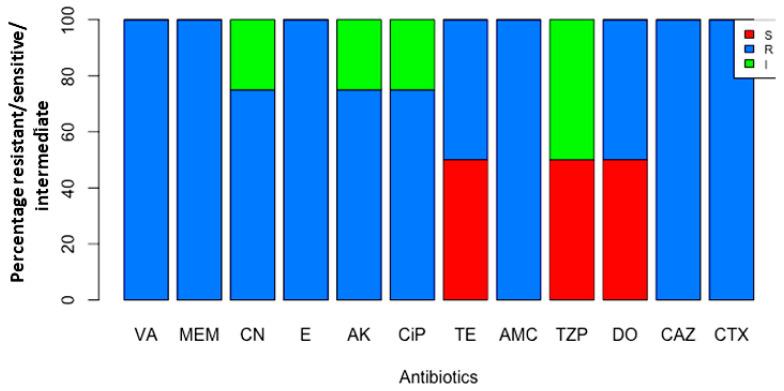
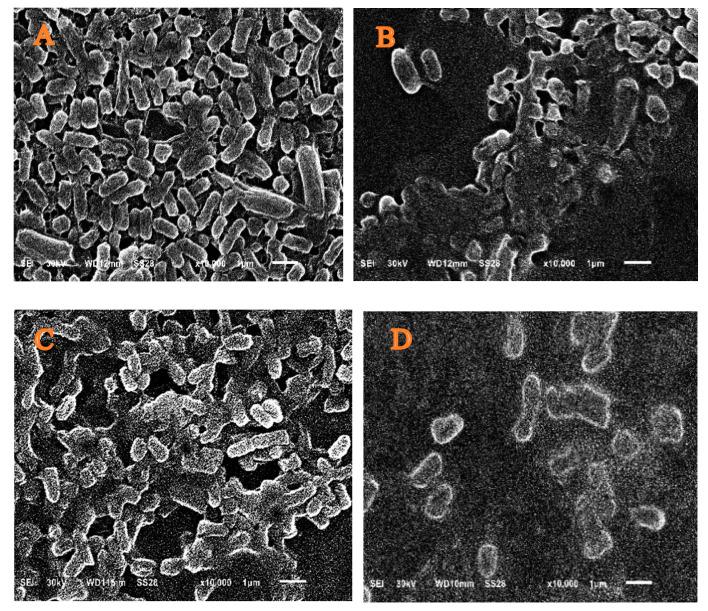
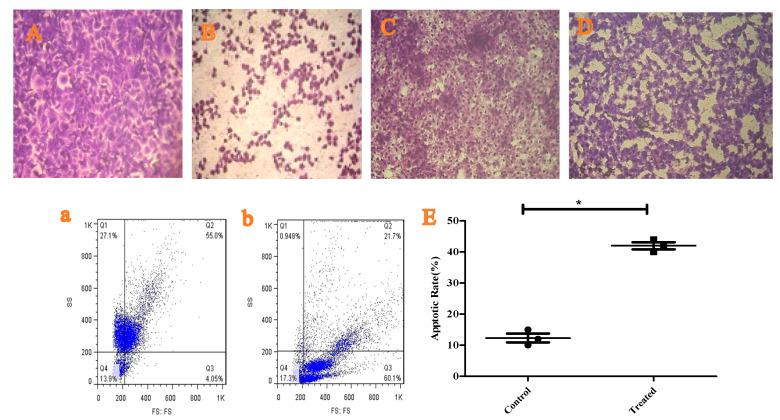
The emergence of bacteria that are resistant to several antibiotics has represented a serious hazard to human health globally. Bioactive metabolites from medicinal plants have a wide spectrum of therapeutic possibilities against resistant bacteria. Therefore, this study was performed to investigate the antibacterial efficacy of various extracts of three medicinal plants as L., L., and L. against pathogenic Gram-negative (ATCC13047), (RCMB008001), (RCMB004001), and Gram-positive (ATCC 25923), bacteria using the agar-well diffusion method. Results revealed that, out of the three examined plant extracts, the methanol extract of L. was the most effective against all tested bacteria. The highest growth inhibition (39.6 ± 0.20 mm) was recorded against . Additionally, the minimum inhibitory concentration (MIC) and the minimum bactericidal concentration (MBC) of the methanol extract of were detected in the case of all tested bacteria. Moreover, an antibiotic susceptibility test revealed that all tested bacteria showed multidrug resistance (MDR). While 50% of tested bacteria were sensitive and 50% were intermediately sensitive to piperacillin/tazobactam (TZP) based on the inhibition zone but still less than the extract. Synergistic assay demonstrated the promising role of using a combination of L. and (TZP) against tested bacteria. A surface investigation using a scanning electron microscope of the treated with TZP, extract, or a combination of the two revealed extremely considerable bacterial cell death. In addition, L. has a promising anticancer role versus Caco-2 cells with IC of 17.51 ± 0.07 µg/mL and minimal cytotoxicity upon testing versus Vero cells with CC of 165.24 ± 0.89 µg/mL. Flow cytometric analysis confirmed that extract significantly increased the apoptotic rate of Caco-2-treated cells compared to the untreated group. Furthermore, GC-MS analysis confirmed the existence of various bioactive components in the methanol extract. Utilizing molecular docking with the MOE-Dock tool, binding interactions between n-Hexadecanoic acid, hexadecanoic acid-methyl ester, and oleic acid, 3-hydroxypropyl ester were evaluated against the target crystal structures of (MenB) (PDB ID:3T88) and the structure of cyclophilin of a colon cancer cell line (PDB ID: 2HQ6). The observed results provide insight into how molecular modeling methods might inhibit the tested substances, which may have applications in the treatment of and colon cancer. Thus, methanol extract is a promising candidate to be further investigated for developing alternative natural therapies for infection treatment.
对多种抗生素具有抗性的细菌的出现已在全球范围内对人类健康构成严重威胁。药用植物中的生物活性代谢物对耐药细菌具有广泛的治疗可能性。因此,本研究旨在使用琼脂孔扩散法研究三种药用植物(即[植物名称1]、[植物名称2]和[植物名称3])的各种提取物对致病性革兰氏阴性菌(ATCC13047、[细菌名称1]、[细菌名称2])和革兰氏阳性菌(ATCC 25923)的抗菌效果。结果显示,在所检测的三种植物提取物中,[植物名称1]的甲醇提取物对所有测试细菌最为有效。对[细菌名称3]的生长抑制率最高(39.6±0.20毫米)。此外,还检测了[植物名称1]甲醇提取物对所有测试细菌的最低抑菌浓度(MIC)和最低杀菌浓度(MBC)。此外,抗生素敏感性试验表明,所有测试细菌均表现出多重耐药性(MDR)。基于抑菌圈,50%的测试细菌对哌拉西林/他唑巴坦(TZP)敏感,50%为中度敏感,但仍低于提取物。协同试验证明了[植物名称1]与(TZP)联合使用对测试细菌的潜在作用。使用扫描电子显微镜对用TZP、提取物或两者组合处理的[细菌名称4]进行表面观察,发现细菌细胞死亡极为显著。此外,[植物名称1]对Caco-2细胞具有潜在的抗癌作用,IC50为17.51±0.07μg/mL,对Vero细胞测试时细胞毒性最小,CC50为165.24±0.89μg/mL。流式细胞术分析证实,与未处理组相比,[植物名称1]提取物显著提高了Caco-2处理细胞的凋亡率。此外,GC-MS分析证实了[植物名称1]甲醇提取物中存在多种生物活性成分。利用MOE-Dock工具进行分子对接,评估了正十六烷酸、十六烷酸甲酯和油酸3-羟丙酯与[细菌名称5](MenB)(PDB ID:3T88)的目标晶体结构以及结肠癌细胞系亲环蛋白的结构(PDB ID: 2HQ6)之间的结合相互作用。观察结果为分子建模方法如何抑制测试物质提供了见解,这可能在[疾病名称]和结肠癌的治疗中具有应用价值。因此,[植物名称1]甲醇提取物有望进一步研究,以开发用于感染治疗的替代天然疗法。



 Zotero 插件