
种族和民族代表性在预防干预研究中的应用:一项方法学研究。
Racial and Ethnic Representation in Preventive Intervention Research: a Methodological Study.
机构信息
Institute of Behavioral Science, University of Colorado Boulder, Boulder, USA.
Departments of Health Policy & Human and Organizational Development, Vanderbilt University Medical Center and Vanderbilt University, Nashville, USA.
出版信息
Prev Sci. 2023 Oct;24(7):1261-1274. doi: 10.1007/s11121-023-01564-8. Epub 2023 Jun 29.
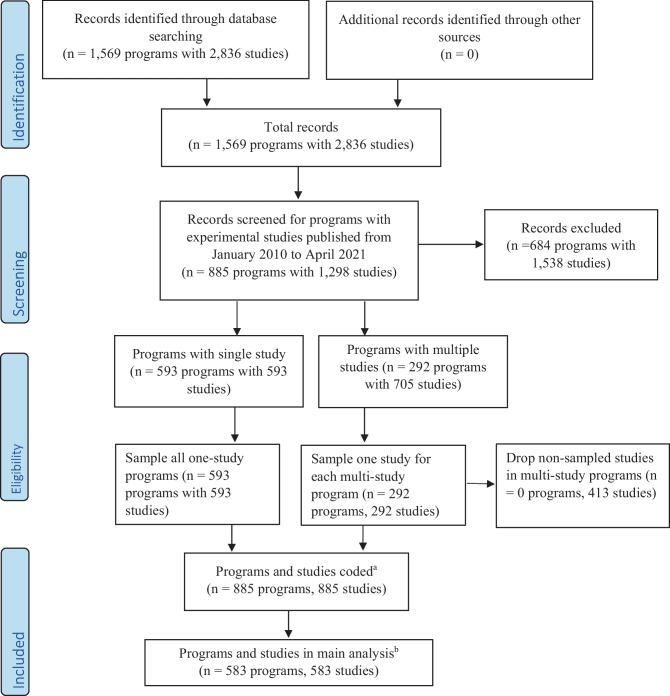
Individuals who are Asian or Asian American, Black or African American, Native American or American Indian or Alaska Native, Native Hawaiian or Pacific Islander, and Hispanic or Latino (i.e., presently considered racial ethnic minoritized groups in the USA) lacked equal access to resources for mitigating risk during COVID-19, which highlighted public health disparities and exacerbated inequities rooted in structural racism that have contributed to many injustices, such as failing public school systems and unsafe neighborhoods. Minoritized groups are also vulnerable to climate change wherein the most severe harms disproportionately fall upon underserved communities. While systemic changes are needed to address these pervasive syndemic conditions, immediate efforts involve examining strategies to promote equitable health and well-being-which served as the impetus for this study. We conducted a descriptive analysis on the prevalence of culturally tailored interventions and reporting of sample characteristics among 885 programs with evaluations published from 2010 to 2021 and recorded in the Blueprints for Healthy Youth Development registry. Inferential analyses also examined (1) reporting time trends and (2) the relationship between study quality (i.e., strong methods, beneficial effects) and culturally tailored programs and racial ethnic enrollment. Two percent of programs were developed for Black or African American youth, and 4% targeted Hispanic or Latino populations. For the 77% of studies that reported race, most enrollees were White (35%) followed by Black or African American (28%), and 31% collapsed across race or categorized race with ethnicity. In the 64% of studies that reported ethnicity, 32% of enrollees were Hispanic or Latino. Reporting has not improved, and there was no relationship between high-quality studies and programs developed for racial ethnic youth, or samples with high proportions of racial ethnic enrollees. Research gaps on racial ethnic groups call for clear reporting and better representation to reduce disparities and improve the utility of interventions.
在 COVID-19 期间,亚洲或亚裔、非裔或非洲裔、美国原住民或印第安人或阿拉斯加原住民、夏威夷原住民或太平洋岛民以及西班牙裔或拉丁裔(即目前被认为是美国的种族少数民族)等个体缺乏减轻风险的资源平等机会,这凸显了公共卫生差距,并加剧了源于结构性种族主义的不平等,这些不平等导致了许多不公正现象,例如公共学校系统失败和不安全的社区。少数民族也容易受到气候变化的影响,在这种情况下,最严重的伤害不成比例地落在服务不足的社区身上。虽然需要进行系统性变革来解决这些普遍存在的综合征状况,但当务之急是研究促进公平健康和福祉的策略——这就是本研究的动力。我们对 2010 年至 2021 年期间在蓝皮书中记录的 885 个具有评估结果的项目中,针对文化适宜性干预措施的流行率以及样本特征的报告进行了描述性分析。推断性分析还检查了(1)报告时间趋势,以及(2)研究质量(即强有力的方法、有益效果)与文化适宜性计划和种族少数民族参与之间的关系。有 2%的项目是为非裔美国青年开发的,4%的项目针对西班牙裔或拉丁裔人口。在报告种族的 77%的研究中,大多数参与者是白人(35%),其次是黑人或非裔美国人(28%),31%的参与者跨越种族或与种族和族裔相结合。在报告族裔的 64%的研究中,32%的参与者是西班牙裔或拉丁裔。报告情况没有改善,高质量研究与为种族少数民族青年开发的项目之间,或者与种族少数民族参与者比例较高的样本之间,没有关系。针对种族少数民族群体的研究差距需要明确报告和更好的代表性,以减少差距并提高干预措施的实用性。
 Zotero 插件