
富含半胱氨酸的肠蛋白 1 是人子宫平滑肌干细胞/祖细胞的一种新型表面标志物。
Cysteine-rich intestinal protein 1 is a novel surface marker for human myometrial stem/progenitor cells.
机构信息
Department of Obstetrics, Gynecology and Reproductive Biology, College of Human Medicine, Michigan State University, Grand Rapids, MI, 49503, USA.
Institute for Quantitative Health Science and Engineering, East Lansing, MI, 48824, USA.
出版信息
Commun Biol. 2023 Jul 3;6(1):686. doi: 10.1038/s42003-023-05061-0.
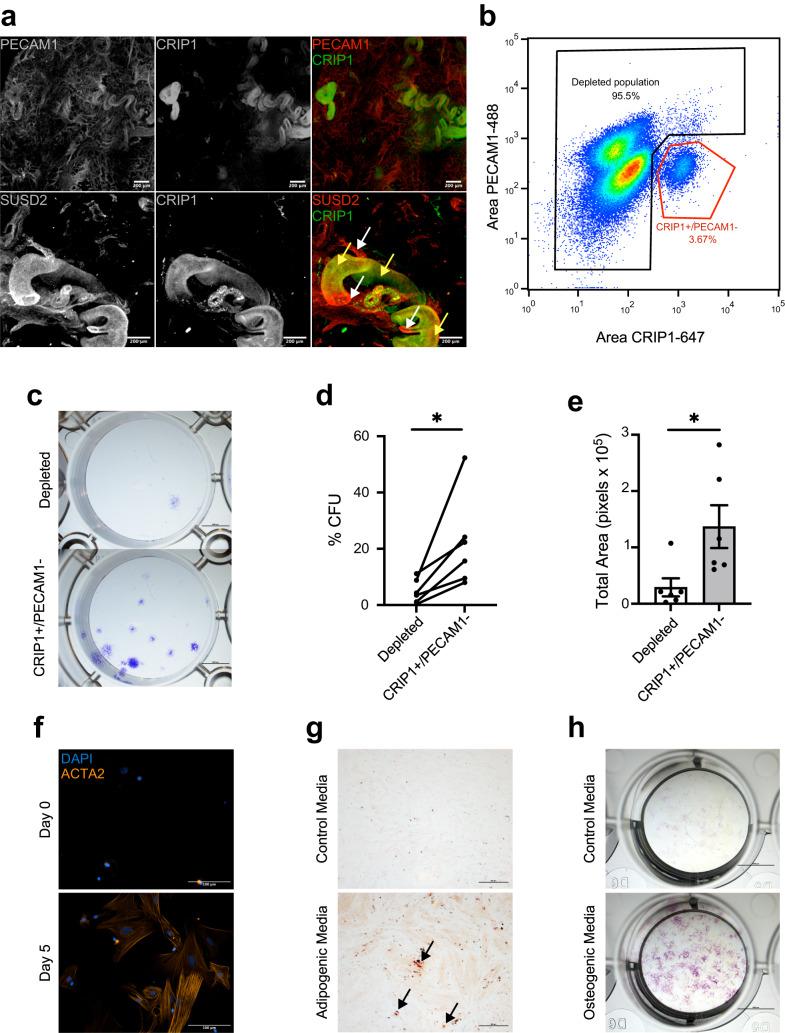
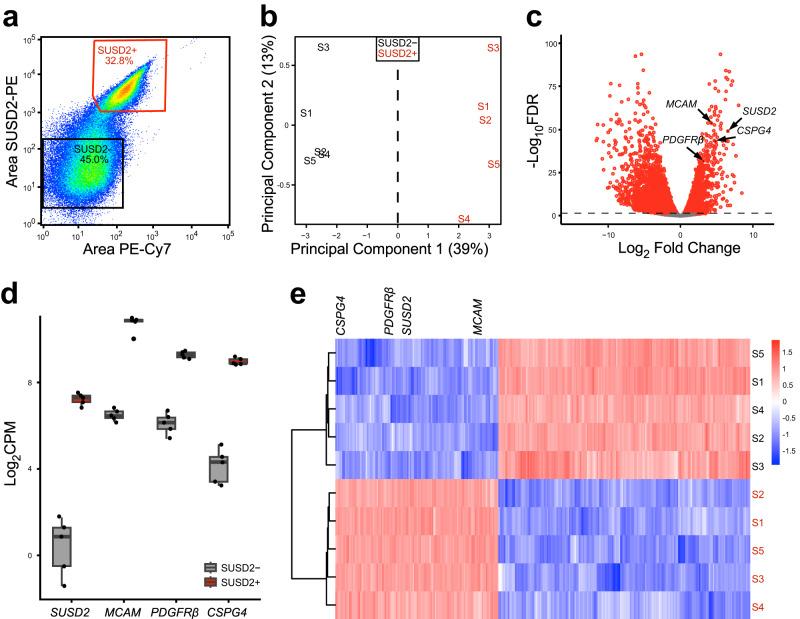
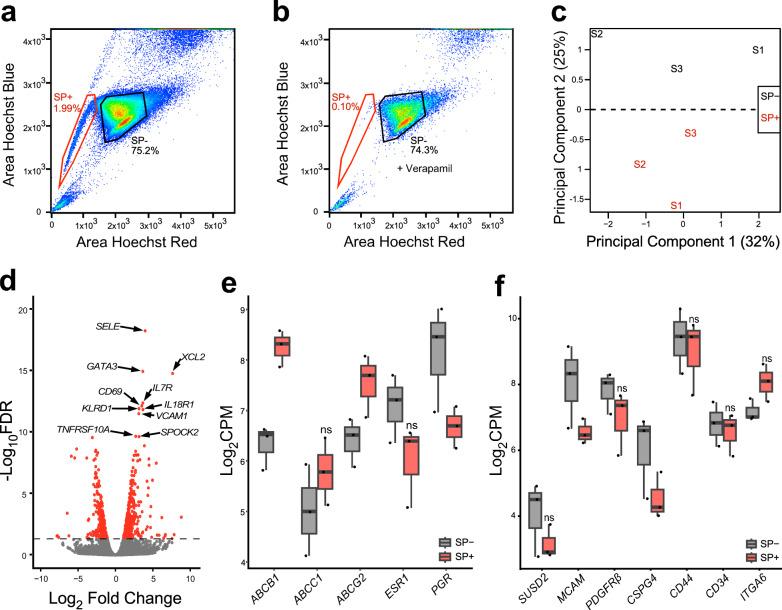
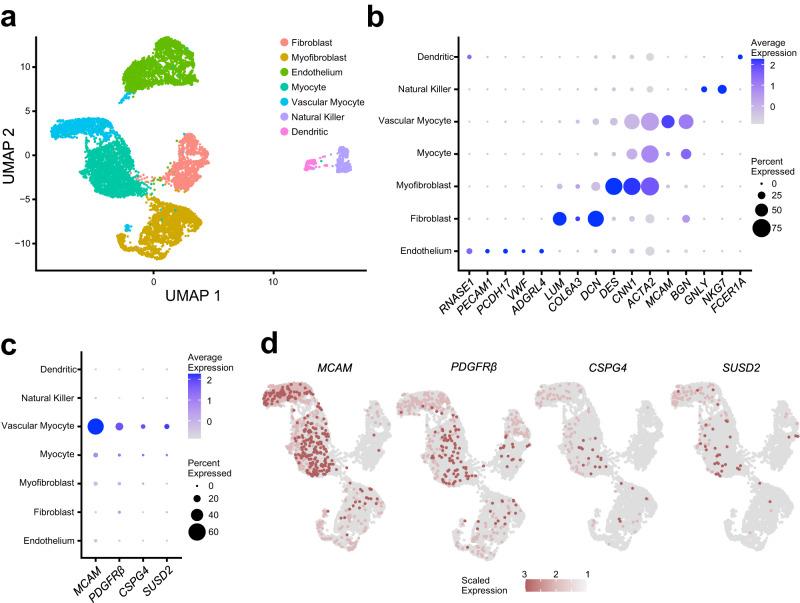
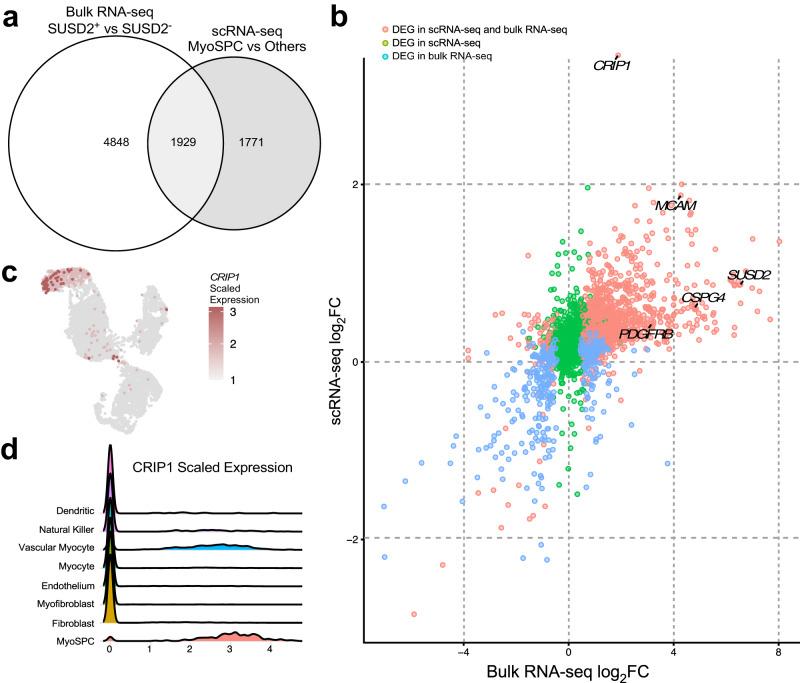
Myometrial stem/progenitor cells (MyoSPCs) have been proposed as the cells of origin for uterine fibroids, but the identity of the MyoSPC has not been well established. We previously identified SUSD2 as a possible MyoSPC marker, but the relatively poor enrichment in stem cell characteristics of SUSD2+ over SUSD2- cells compelled us to find better markers. We combined bulk RNA-seq of SUSD2+/- cells with single cell RNA-seq to identify markers for MyoSPCs. We observed seven distinct cell clusters within the myometrium, with the vascular myocyte cluster most highly enriched for MyoSPC characteristics and markers. CRIP1 expression was found highly upregulated by both techniques and was used as a marker to sort CRIP1+/PECAM1- cells that were both enriched for colony forming potential and able to differentiate into mesenchymal lineages, suggesting that CRIP1+/PECAM1- cells could be used to better study the etiology of uterine fibroids.
肌层干细胞/祖细胞(MyoSPCs)被认为是子宫肌瘤的起源细胞,但 MyoSPC 的身份尚未得到很好的确定。我们之前发现 SUSD2 可能是 MyoSPC 的标志物,但 SUSD2+细胞在干细胞特征上的富集程度相对较差,这促使我们寻找更好的标志物。我们将 SUSD2+/-细胞的批量 RNA-seq 与单细胞 RNA-seq 相结合,以鉴定 MyoSPC 的标志物。我们在子宫肌层中观察到七个不同的细胞簇,其中血管肌细胞簇最富含 MyoSPC 特征和标志物。CRIP1 的表达在两种技术中均被高度上调,并被用作标记物来分选 CRIP1+/PECAM1-细胞,这些细胞既富含集落形成潜力,又能分化为间充质谱系,这表明 CRIP1+/PECAM1-细胞可用于更好地研究子宫肌瘤的病因。

 Zotero 插件