
阿司匹林的摄入与肝细胞癌的关系:系统综述和荟萃分析。
The relationship between aspirin consumption and hepatocellular carcinoma: a systematic review and meta-analysis.
机构信息
Department of Gastroenterology, China-Japan Union Hospital of Jilin University, No. 126 Xiantai Street, Changchun, 130033, Jilin, China.
Department of Gastroenterology, The First Affiliated Hospital of Weifang Medical University, Weifang, China.
出版信息
Eur J Med Res. 2023 Jul 8;28(1):226. doi: 10.1186/s40001-023-01204-5.
BACKGROUND
Recent studies have shown that aspirin consumption may reduce the risk of hepatocellular carcinoma (HCC), but their correlation is still not fully understood. This meta-analysis aimed to investigate the correlation between aspirin consumption and HCC.
METHODS
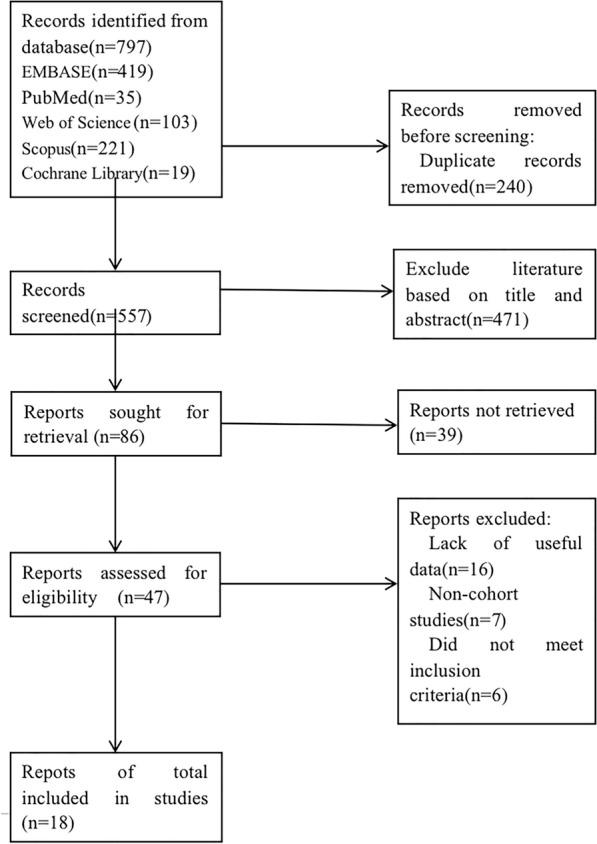
A systematic literature search was conducted on PubMed, Scopus, Cochrane Library, EMBASE, and Web of Science databases. The search period was from the establishment of the database to July 1, 2022 with no language restrictions.
RESULTS
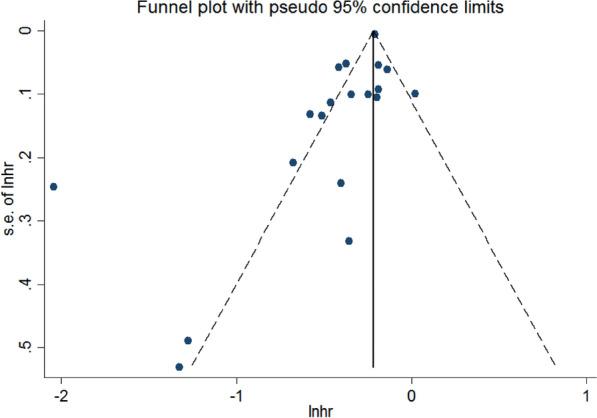
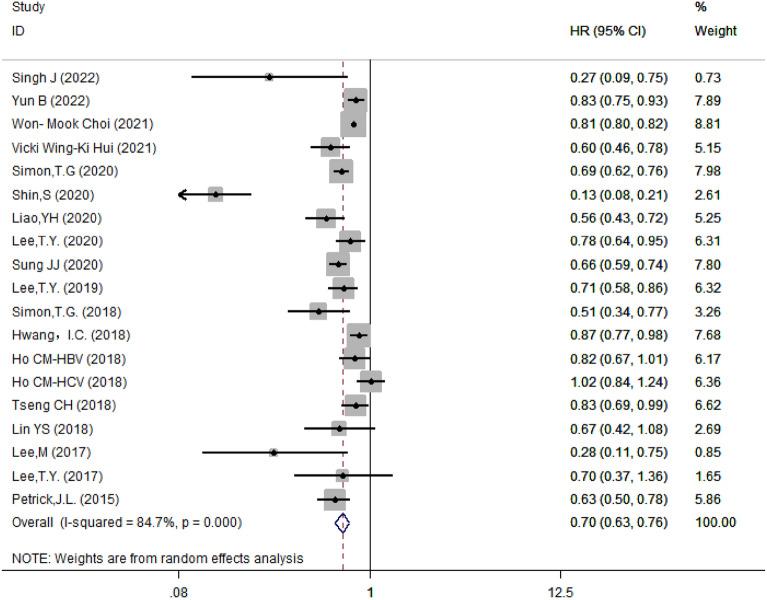
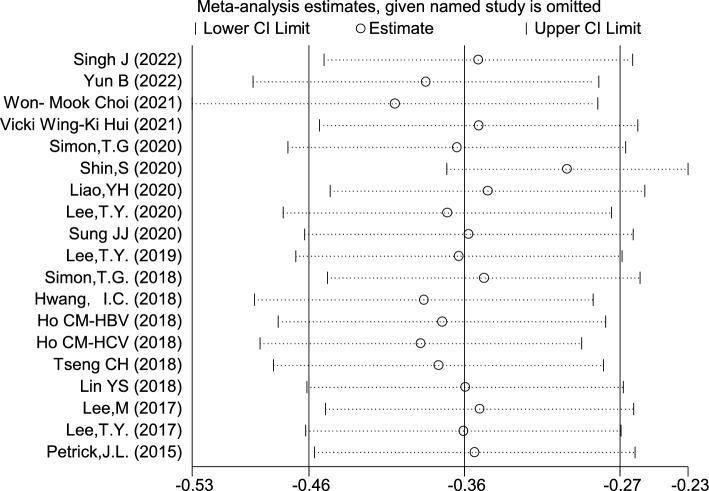
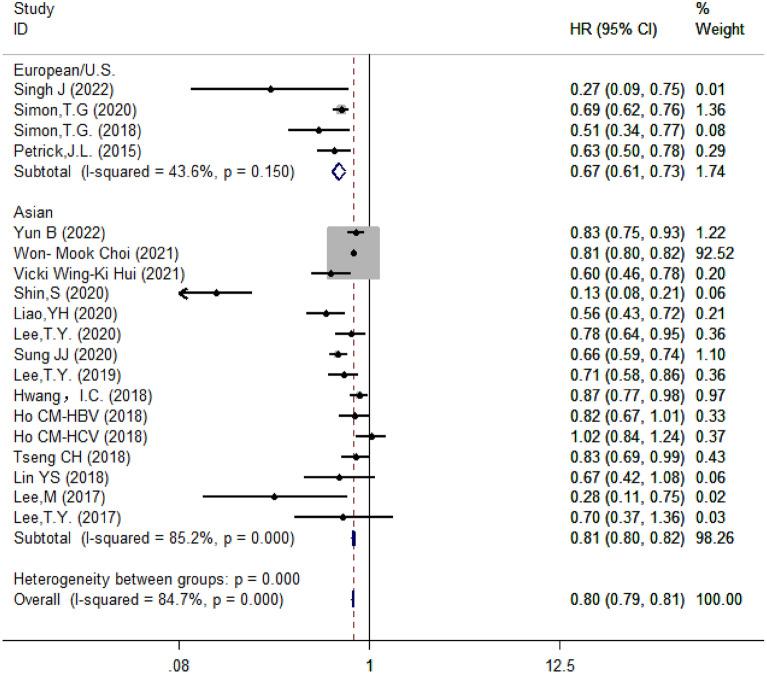
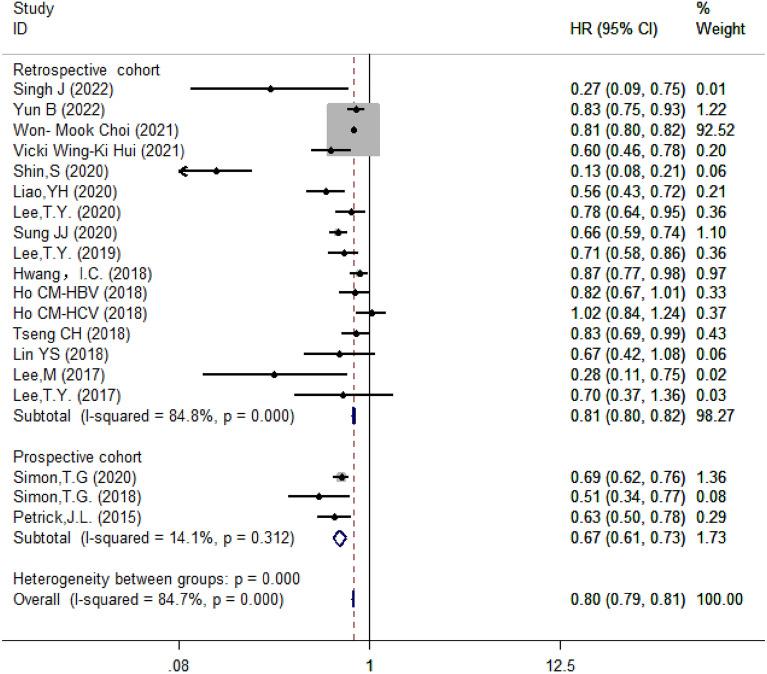
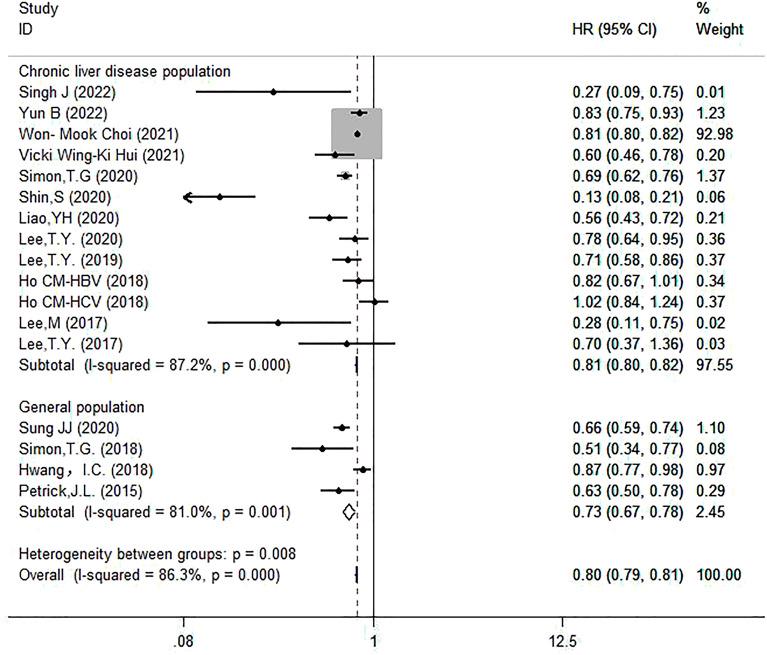
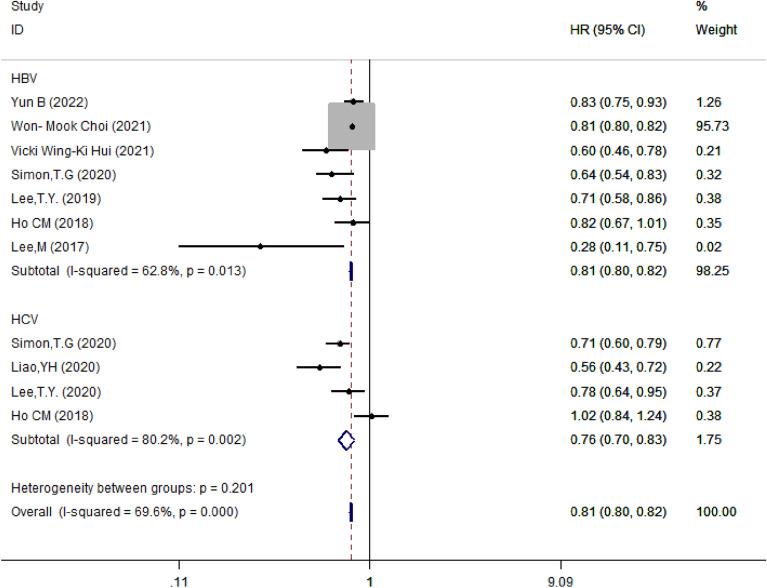
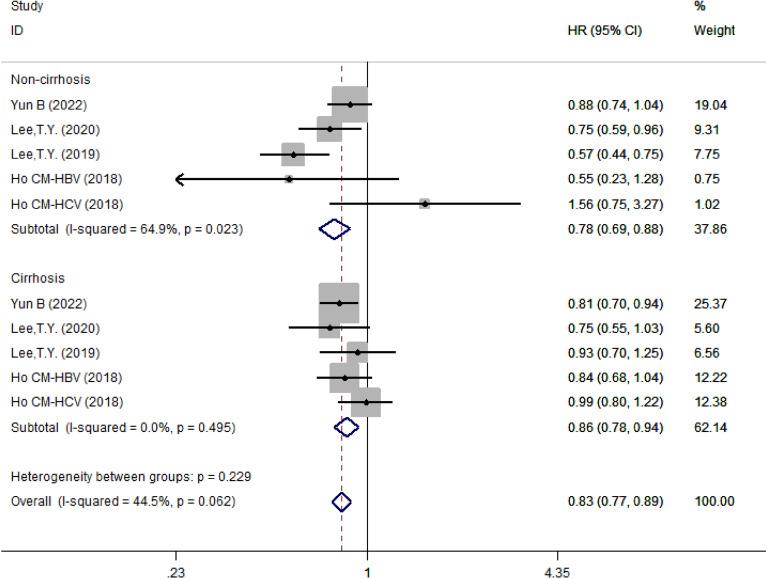
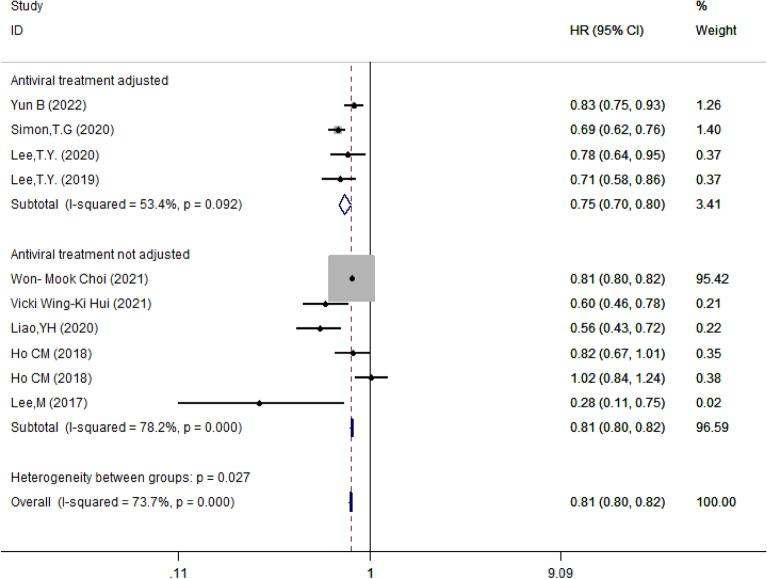
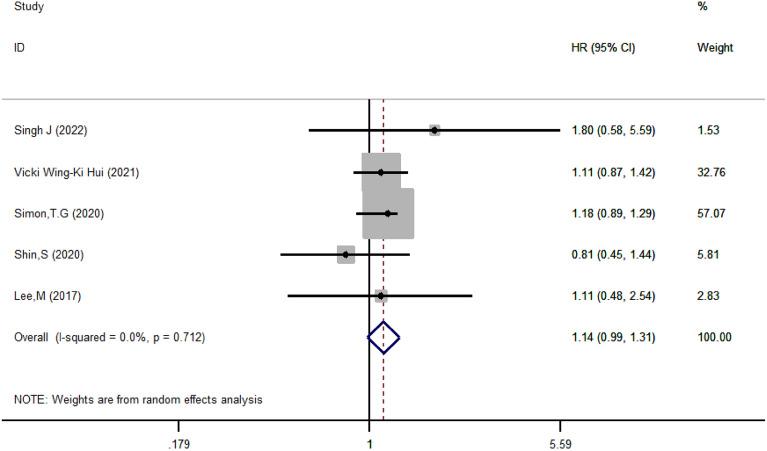
A total of 19 studies including three prospective studies and 16 retrospective ones with 2,217,712 patients were included. Compared with those who did not take aspirin, those who took aspirin had a 30% lower risk of HCC (hazard ratio [HR] = 0.70, 95% confidence interval [CI] 0.63-0.76, I = 84.7%, P < 0.001). Subgroup analysis showed that aspirin significantly reduced the risk of HCC by 19% in Asia (HR = 0.81, 95% CI 0.80-0.82, I = 85.2%, P < 0.001) and by 33% (HR = 0.67, 95% CI 0.61-0.73, I = 43.6%, P = 0.150) in Europe and the U.S with no significant difference. Moreover, in patients with HBV or HCV infection, aspirin reduced 19% and 24% of the risk of HCC, respectively. However, aspirin administration might increase risks of gastrointestinal bleeding in patients with chronic liver disease (HR = 1.14, 95% CI 0.99-1.31, I = 0.0%, P = 0.712). Sensitivity analysis showed no significant difference of results after excluding individual studies, suggesting that the results were robust.
CONCLUSION
Aspirin may reduce the risk of HCC in both healthy population and patients with chronic liver disease. However, attention should be paid to adverse events such as gastrointestinal bleeding in patients with chronic liver disease.
背景
最近的研究表明,阿司匹林的摄入可能降低肝细胞癌(HCC)的风险,但它们之间的相关性仍未完全阐明。本荟萃分析旨在探讨阿司匹林摄入与 HCC 之间的相关性。
方法
系统地检索了 PubMed、Scopus、Cochrane 图书馆、EMBASE 和 Web of Science 数据库,检索时间从数据库建立到 2022 年 7 月 1 日,不限制语言。
结果
共纳入 19 项研究,包括 3 项前瞻性研究和 16 项回顾性研究,共纳入 2217712 例患者。与未服用阿司匹林的患者相比,服用阿司匹林的患者 HCC 风险降低 30%(风险比[HR] = 0.70,95%置信区间 [CI] 0.63-0.76,I = 84.7%,P < 0.001)。亚组分析显示,亚洲人群中阿司匹林显著降低 HCC 风险 19%(HR = 0.81,95% CI 0.80-0.82,I = 85.2%,P < 0.001),而在欧洲和美国人群中降低 33%(HR = 0.67,95% CI 0.61-0.73,I = 43.6%,P = 0.150),差异无统计学意义。此外,在 HBV 或 HCV 感染患者中,阿司匹林分别降低 HCC 风险 19%和 24%。然而,阿司匹林的应用可能会增加慢性肝病患者胃肠道出血的风险(HR = 1.14,95% CI 0.99-1.31,I = 0.0%,P = 0.712)。敏感性分析表明,排除个别研究后结果无显著差异,提示结果稳健。
结论
阿司匹林可能降低健康人群和慢性肝病患者 HCC 的风险。然而,应注意慢性肝病患者发生胃肠道出血等不良事件。
 Zotero 插件