
与邻苯二甲酸二(2-乙基己基)酯(DEHP)、三氧化二萜甲酯(TOTM)或相关的二辛基琥珀酸酯相比,接触非邻苯二甲酸酯增塑剂二庚基琥珀酸酯对 C57BL/6N 小鼠心肌梗死后的恢复影响较小。
Exposure to the non-phthalate plasticizer di-heptyl succinate is less disruptive to C57bl/6N mouse recovery from a myocardial infarction than DEHP, TOTM or related di-octyl succinate.
机构信息
Lady Davis Institute for Medical Research, Montréal, Québec, Canada.
Department of Chemical Engineering, Faculty of Engineering, McGill University, Montréal, Québec, Canada.
出版信息
PLoS One. 2023 Jul 13;18(7):e0288491. doi: 10.1371/journal.pone.0288491. eCollection 2023.
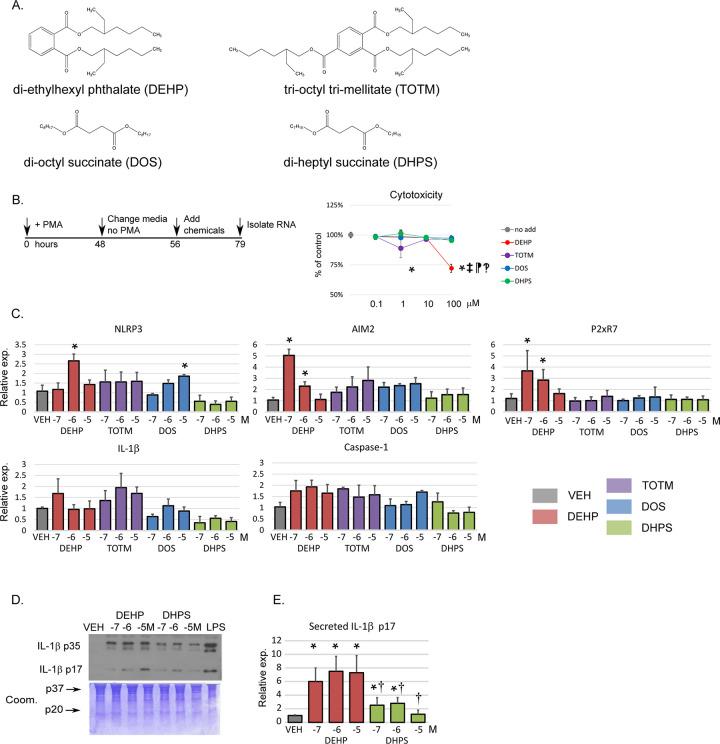
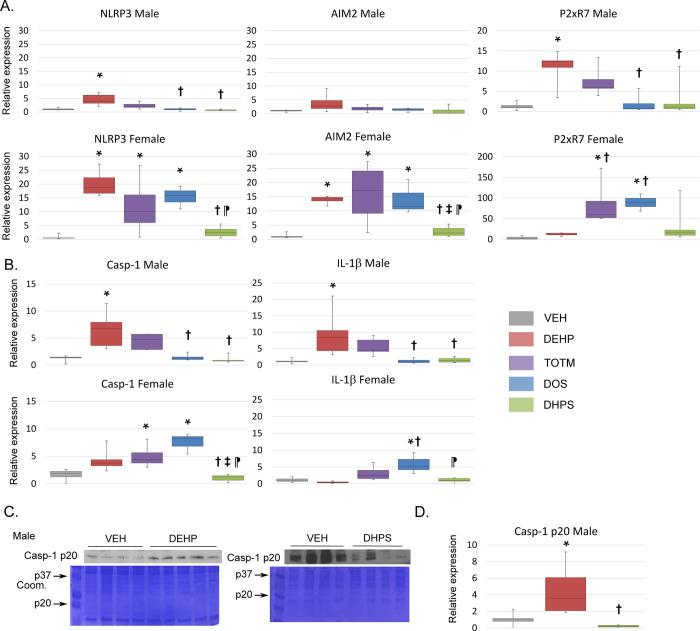
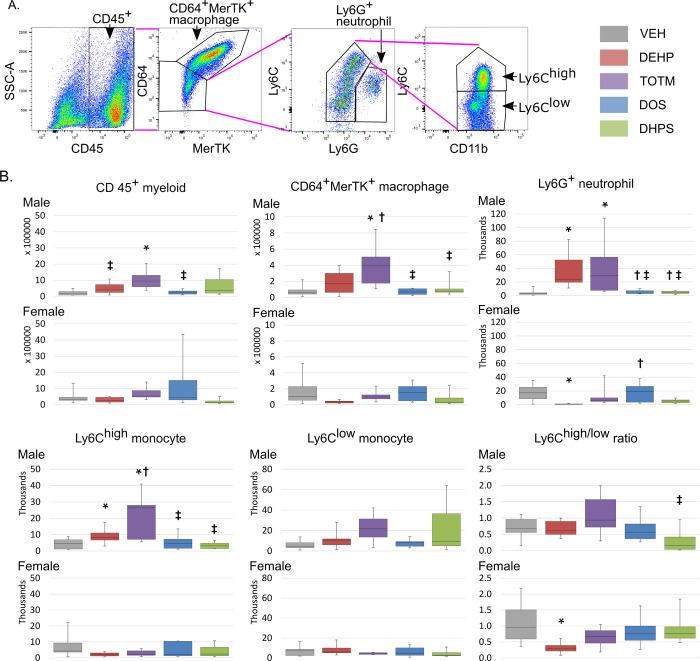
Phthalate plasticizers are incorporated into plastics to make them soft and malleable, but are known to leach out of the final product into their surroundings with potential detrimental effects to human and ecological health. The replacement of widely-used phthalate plasticizers, such as di-ethylhexyl phthalate (DEHP), that are of known toxicity, by the commercially-available alternative Tris(2-ethylhexyl) tri-mellitate (TOTM) is increasing. Additionally, several newly designed "green" plasticizers, including di-heptyl succinate (DHPS) and di-octyl succinate (DOS) have been identified as potential replacements. However, the impact of plasticizer exposure from medical devices on patient recovery is unknown and, moreover, the safety of TOTM, DHPS, and DOS is not well established in the context of patient recovery. To study the direct effect of clinically based chemical exposures, we exposed C57bl/6 N male and female mice to DEHP, TOTM, DOS, and DHPS during recovery from cardiac surgery and assessed survival, cardiac structure and function, immune cell infiltration into the cardiac wound and activation of the NLRP3 inflammasome. Male, but not female, mice treated in vivo with DEHP and TOTM had greater cardiac dilation, reduced cardiac function, increased infiltration of neutrophils, monocytes, and macrophages and increased expression of inflammasome receptors and effectors, thereby suggesting impaired recovery in exposed mice. In contrast, no impact was detected in female mice and male mice exposed to DOS and DHPS. To examine the direct effects in cells involved in wound healing, we treated human THP-1 macrophages with the plasticizers in vitro and found DEHP induced greater NLRP3 expression and activation. These results suggest that replacing current plasticizers with non-phthalate-based plasticizers may improve patient recovery, especially in the male population. In our assessment, DHPS is a promising possibility for a non-toxic biocompatible plasticizer.
邻苯二甲酸酯类增塑剂被添加到塑料中以使其柔软和具有延展性,但已知它们会从最终产品中浸出到周围环境中,对人类和生态健康可能产生有害影响。目前,广泛使用的邻苯二甲酸酯类增塑剂,如邻苯二甲酸二(2-乙基己基)酯(DEHP),由于其毒性已被商业上可用的替代品三(2-乙基己基)偏苯三酸酯(TOTM)所取代。此外,几种新设计的“绿色”增塑剂,包括二庚基琥珀酸酯(DHPS)和二辛基琥珀酸酯(DOS),已被确定为潜在替代品。然而,目前尚不清楚医疗器械中的增塑剂暴露对患者康复的影响,此外,TOTM、DHPS 和 DOS 在患者康复方面的安全性也尚未得到充分证实。为了研究临床相关化学暴露的直接影响,我们在心脏手术后的恢复期间,用 DEHP、TOTM、DOS 和 DHPS 暴露 C57bl/6 N 雄性和雌性小鼠,并评估其存活率、心脏结构和功能、免疫细胞浸润到心脏伤口和 NOD、LRP 和热蛋白结构域包含蛋白 3(NLRP3)炎症小体的激活。体内用 DEHP 和 TOTM 处理的雄性,而不是雌性,小鼠的心脏扩张更大,心脏功能降低,中性粒细胞、单核细胞和巨噬细胞浸润增加,炎症小体受体和效应物的表达增加,表明暴露的小鼠恢复受损。相比之下,在雌性小鼠和接受 DOS 和 DHPS 暴露的雄性小鼠中未检测到影响。为了研究在参与伤口愈合的细胞中的直接作用,我们在体外用增塑剂处理人 THP-1 巨噬细胞,发现 DEHP 诱导更高的 NLRP3 表达和激活。这些结果表明,用非邻苯二甲酸酯类增塑剂代替当前的增塑剂可能会改善患者的康复,尤其是在男性人群中。在我们的评估中,DHPS 是一种有前途的无毒生物相容性增塑剂。



 Zotero 插件