
厄瓜多尔本土无刺蜂蜂蜜的多酚谱及其对敏感和耐多药病原体的抗生物膜活性评估:一项探索性分析。
Evaluation of the polyphenolic profile of native Ecuadorian stingless bee honeys () and their antibiofilm activity on susceptible and multidrug-resistant pathogens: An exploratory analysis.
作者信息
Cabezas-Mera Fausto Sebastián, Atiencia-Carrera María Belén, Villacrés-Granda Irina, Proaño Adrian Alexander, Debut Alexis, Vizuete Karla, Herrero-Bayo Lorena, Gonzalez-Paramás Ana M, Giampieri Francesca, Abreu-Naranjo Reinier, Tejera Eduardo, Álvarez-Suarez José M, Machado António
机构信息
Universidad San Francisco de Quito USFQ, Colegio de Ciencias Biológicas y Ambientales COCIBA, Instituto de Microbiología, Laboratorio de Bacteriología, Calle Diego de Robles y Pampite, Quito, 170901, Ecuador.
Programa de Doctorado Interuniversitario en Ciencias de la Salud, Universidad de Sevilla, Sevilla, Spain.
出版信息
Curr Res Food Sci. 2023 Jun 29;7:100543. doi: 10.1016/j.crfs.2023.100543. eCollection 2023.
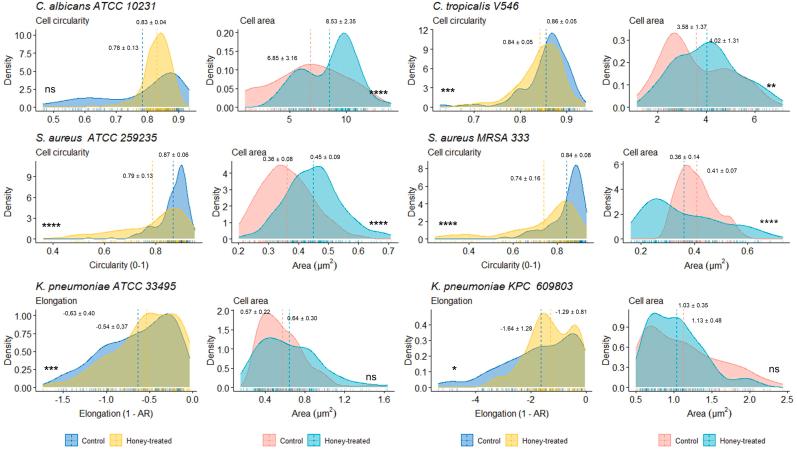
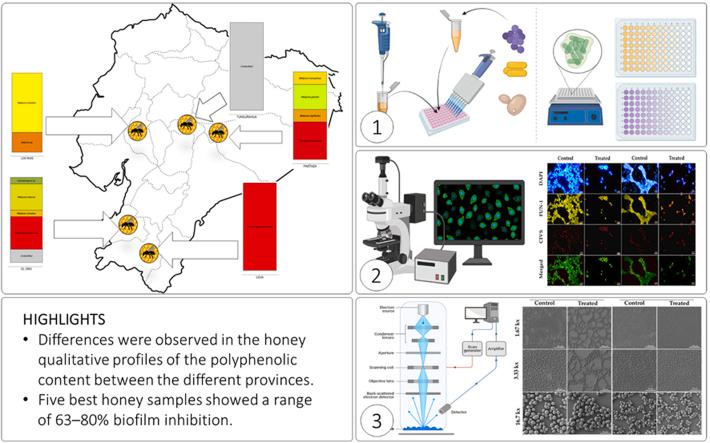
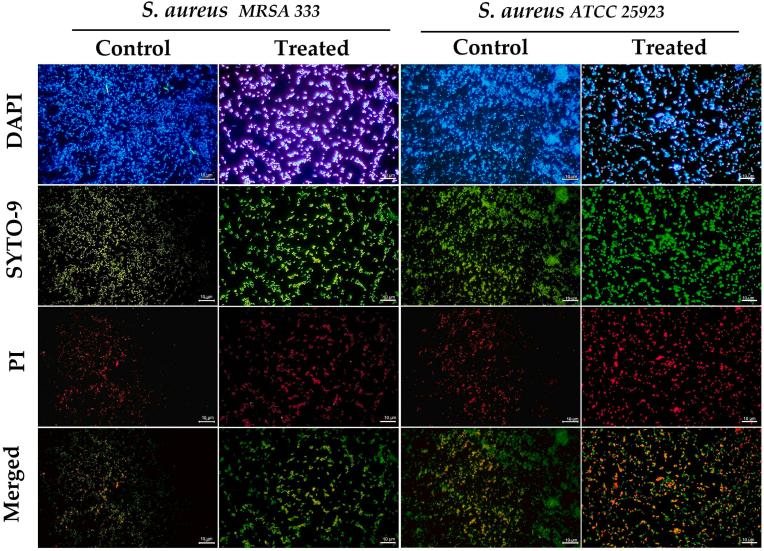
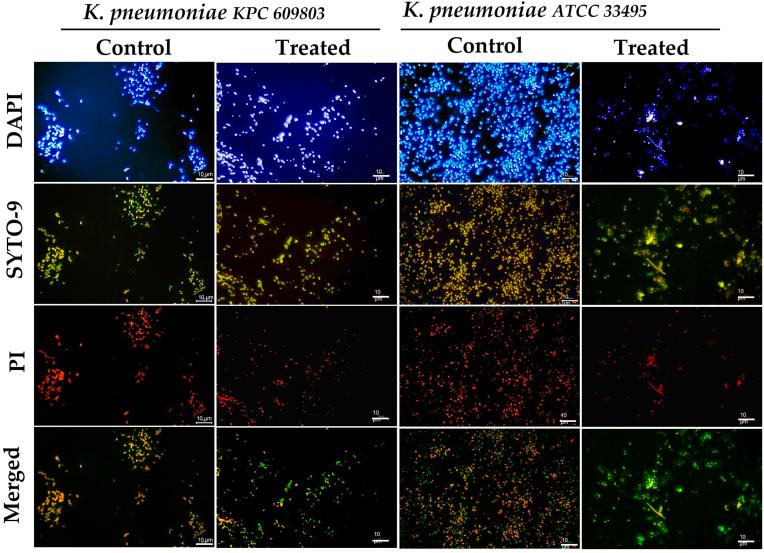
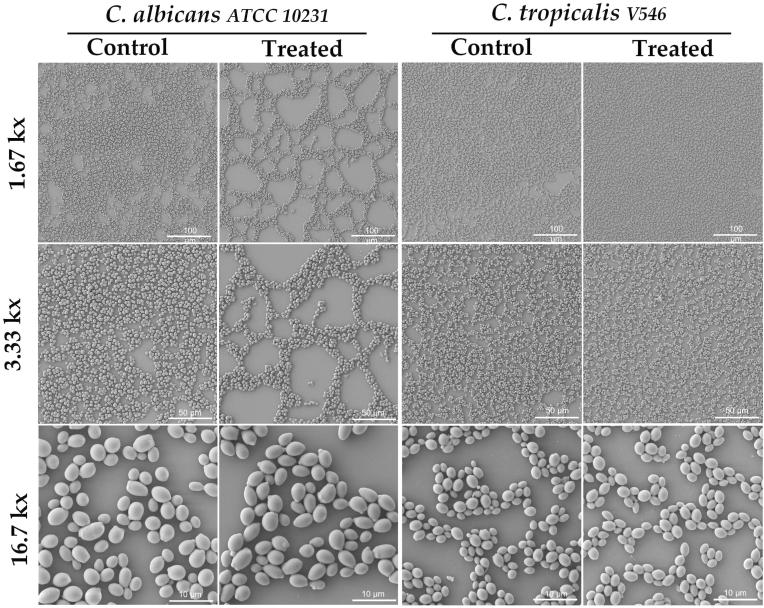
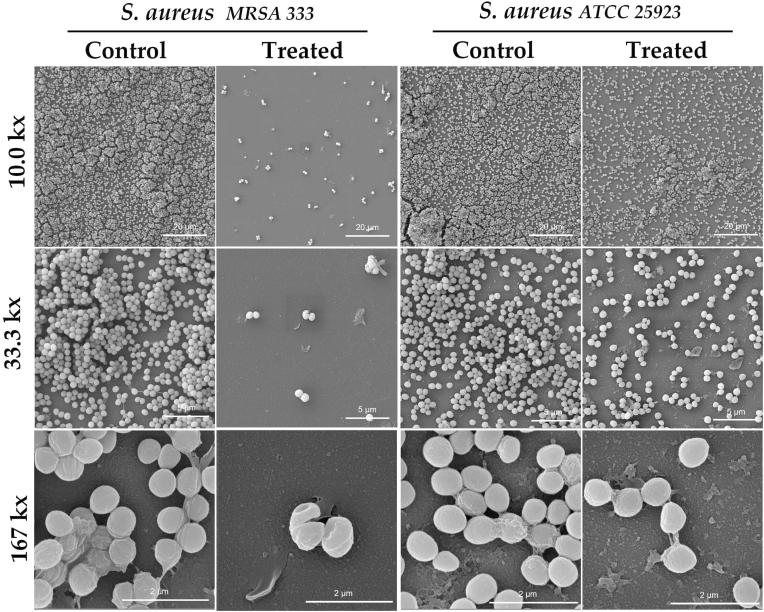
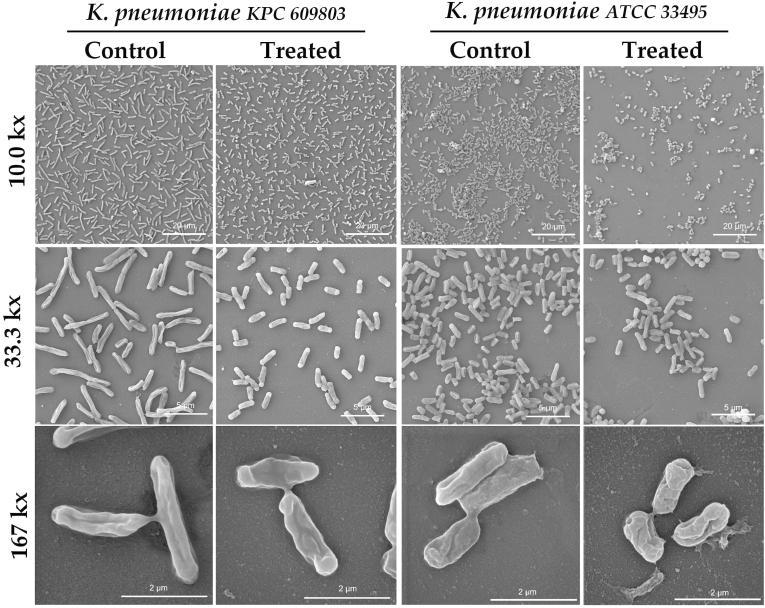
Biofilms are associated with infections that are resistant to conventional therapies, contributing to the antimicrobial resistance crisis. The need for alternative approaches against biofilms is well-known. Although natural products like stingless bee honeys (tribe: ) constitute an alternative treatment, much is still unknown. Our main goal was to evaluate the antibiofilm activity of stingless bee honey samples against multidrug-resistant (MDR) pathogens through biomass assays, fluorescence (cell count and viability), and scanning electron (structural composition) microscopy. We analyzed thirty-five honey samples at 15% (v/v) produced by ten different stingless bee species ( sp., sp., , , , , , , , and ) from five provinces of Ecuador (Tungurahua, Pastaza, El Oro, Los Ríos, and Loja) against 24-h biofilms of , , , and . The present honey set belonged to our previous study, where the samples were collected in 2018-2019 and their physicochemical parameters, chemical composition, mineral elements, and minimal inhibitory concentration (MIC) were screened. However, the polyphenolic profile and their antibiofilm activity on susceptible and multidrug-resistant pathogens were still unknown. According to polyphenolic profile of the honey samples, significant differences were observed according to their geographical origin in terms of the qualitative profiles. The five best honey samples (OR24.1, LR34, LO40, LO48, and LO53) belonging to , sp., and were selected for further analysis due to their high biomass reduction values, identification of the stingless bee specimens, and previously reported physicochemical parameters. This subset of honey samples showed a range of 63-80% biofilm inhibition through biomass assays. Fluorescence microscopy (FM) analysis evidenced statistical log reduction in the cell count of honey-treated samples in all pathogens ( <0.05), except for ATCC 25923. Concerning cell viability, , ATCC 33495, and KPC significantly decreased ( <0.01) by 21.67, 25.69, and 45.62%, respectively. Finally, scanning electron microscopy (SEM) analysis demonstrated structural biofilm disruption through cell morphological parameters (such as area, size, and form). In relation to their polyphenolic profile, medioresinol was only found in the honey of Loja, while scopoletin, kaempferol, and quercetin were only identified in honey of Los Rios, and dihydrocaffeic and dihydroxyphenylacetic acids were only detected in honey of El Oro. All the five honey samples showed dihydrocoumaroylhexose, luteolin, and kaempferol rutinoside. To the authors' best knowledge, this is the first study to analyze stingless bees honey-treated biofilms of susceptible and/or MDR strains of , , and species.
生物膜与对传统疗法耐药的感染相关,这加剧了抗菌药物耐药性危机。对抗生物膜的替代方法的需求是众所周知的。尽管像无刺蜂蜂蜜(部落: )这样的天然产物构成了一种替代治疗方法,但仍有许多未知之处。我们的主要目标是通过生物量测定、荧光(细胞计数和活力)以及扫描电子(结构组成)显微镜来评估无刺蜂蜂蜜样本对多重耐药(MDR)病原体的抗生物膜活性。我们分析了来自厄瓜多尔五个省份(通古拉瓦、帕斯塔萨、埃尔奥罗、洛斯里奥斯和洛哈)的十种不同无刺蜂物种( 种、 种、 、 、 、 、 、 、 、 和 )所产的15%(v/v)的35个蜂蜜样本对 、 、 和 的24小时生物膜的影响。目前这批蜂蜜样本属于我们之前的研究,在2018 - 2019年采集了样本并筛选了它们的理化参数、化学成分、矿物质元素以及最低抑菌浓度(MIC)。然而,蜂蜜样本的多酚谱及其对敏感和多重耐药病原体的抗生物膜活性仍然未知。根据蜂蜜样本的多酚谱,在定性谱方面,根据其地理来源观察到了显著差异。由于其高生物量减少值、无刺蜂标本的鉴定以及先前报道的理化参数,选择了属于 、 种和 的五个最佳蜂蜜样本(OR24.1、LR34、LO40、LO48和LO53)进行进一步分析。这组蜂蜜样本通过生物量测定显示出63 - 80%的生物膜抑制范围。荧光显微镜(FM)分析证明,除了 ATCC 25923外,所有病原体中经蜂蜜处理的样本的细胞计数均有统计学意义的对数减少( <0.05)。关于细胞活力, 、 ATCC 33495和 KPC分别显著降低( <0.01)了21.67%、25.69%和45.62%。最后,扫描电子显微镜(SEM)分析通过细胞形态参数(如面积、大小和形态)证明了生物膜结构的破坏。关于它们的多酚谱,中肌醇仅在洛哈的蜂蜜中发现,而东莨菪素、山奈酚和槲皮素仅在洛斯里奥斯的蜂蜜中鉴定出,二氢咖啡酸和二羟基苯乙酸仅在埃尔奥罗的蜂蜜中检测到。所有五个蜂蜜样本都显示出二氢香豆酰己糖、木犀草素和山奈酚芸香苷。据作者所知,这是第一项分析无刺蜂蜂蜜对 、 、 和 物种的敏感和/或多重耐药菌株生物膜影响的研究。


 Zotero 插件