
宏基因组学研究为阿曼萨迈尔蛇绿岩地下蛇纹石化环境中产甲烷菌群的生态位分化提供了见解。
Metapangenomic investigation provides insight into niche differentiation of methanogenic populations from the subsurface serpentinizing environment, Samail Ophiolite, Oman.
作者信息
Thieringer Patrick H, Boyd Eric S, Templeton Alexis S, Spear John R
机构信息
Department of Civil and Environmental Engineering, Colorado School of Mines, Golden, CO, United States.
Department of Microbiology and Cell Biology, Montana State University, Bozeman, MT, United States.
出版信息
Front Microbiol. 2023 Jul 3;14:1205558. doi: 10.3389/fmicb.2023.1205558. eCollection 2023.
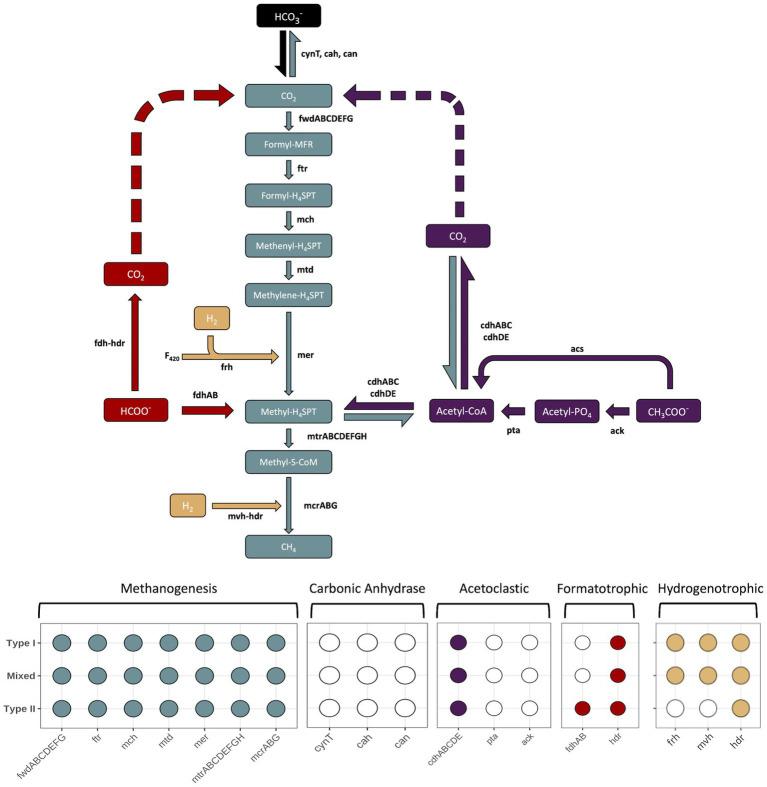
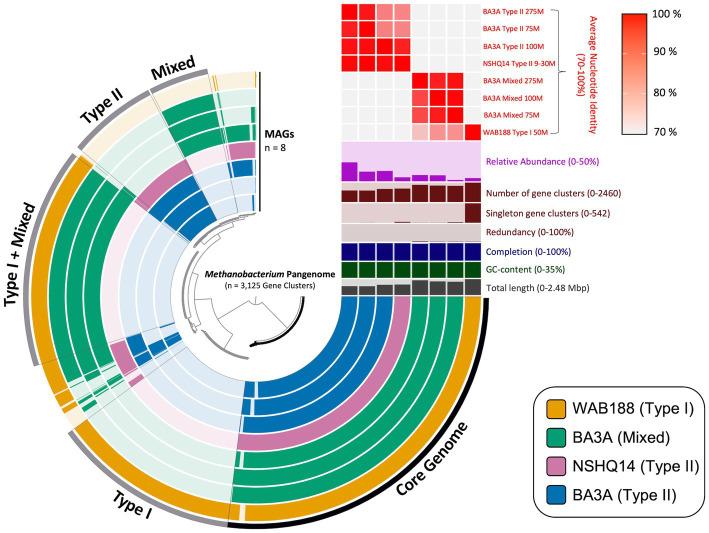
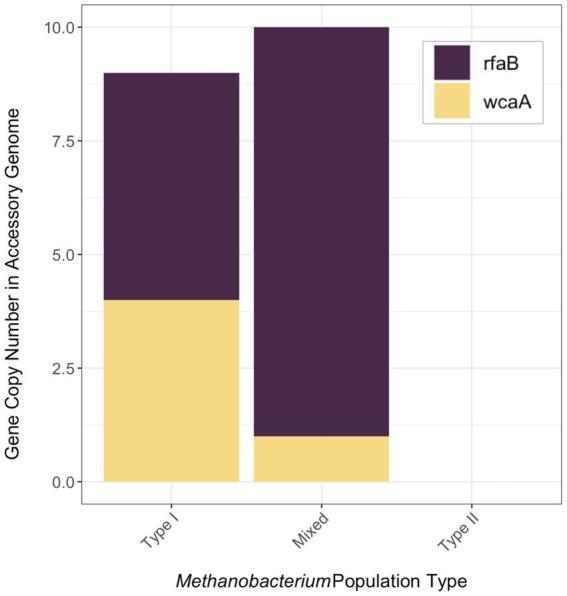
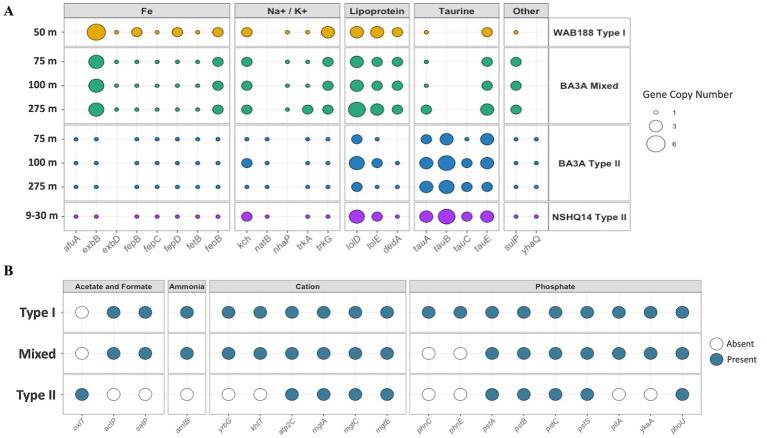
Serpentinization reactions produce highly reduced waters that have hyperalkaline pH and that can have high concentrations of H and CH. Putatively autotrophic methanogenic archaea have been identified in the subsurface waters of the Samail Ophiolite, Sultanate of Oman, though the strategies to overcome hyperalkaline pH and dissolved inorganic carbon limitation remain to be fully understood. Here, we recovered metagenome assembled genomes (MAGs) and applied a metapangenomic approach to three different populations to assess habitat-specific functional gene distribution. A Type I population was identified in the fluids with neutral pH, while a Type II and "Mixed" population were identified in the most hyperalkaline fluids (pH 11.63). The core genome of all populations highlighted potential DNA scavenging techniques to overcome phosphate or nitrogen limitation induced by environmental conditions. With particular emphasis on the Mixed and Type II population found in the most hyperalkaline fluids, the accessory genomes unique to each population reflected adaptation mechanisms suggesting lifestyles that minimize niche overlap. In addition to previously reported metabolic capability to utilize formate as an electron donor and generate intracellular CO, the Type II population possessed genes relevant to defense against antimicrobials and assimilating potential osmoprotectants to provide cellular stability. The accessory genome of the Mixed population was enriched in genes for multiple glycosyltransferases suggesting reduced energetic costs by adhering to mineral surfaces or to other microorganisms, and fostering a non-motile lifestyle. These results highlight the niche differentiation of distinct populations to circumvent the challenges of serpentinization impacted fluids through coexistence strategies, supporting our ability to understand controls on methanogenic lifestyles and adaptations within the serpentinizing subsurface fluids of the Samail Ophiolite.
蛇纹石化反应产生高度还原的水,这些水具有超碱性pH值,并且可能含有高浓度的H和CH。在阿曼苏丹国萨迈尔蛇绿岩的地下水中已鉴定出推测为自养产甲烷古菌,不过克服超碱性pH值和溶解无机碳限制的策略仍有待充分了解。在此,我们回收了宏基因组组装基因组(MAG),并对三个不同群体应用宏泛基因组方法来评估特定生境的功能基因分布。在中性pH值的流体中鉴定出I型群体,而在碱性最强的流体(pH 11.63)中鉴定出II型群体和“混合”群体。所有群体的核心基因组突出了潜在的DNA清除技术,以克服环境条件引起的磷酸盐或氮限制。特别强调在碱性最强的流体中发现的混合群体和II型群体,每个群体独特的辅助基因组反映了适应机制,表明其生活方式使生态位重叠最小化。除了先前报道的利用甲酸盐作为电子供体并产生细胞内CO的代谢能力外,II型群体还拥有与抗微生物防御和同化潜在渗透保护剂以提供细胞稳定性相关的基因。混合群体的辅助基因组富含多种糖基转移酶的基因,这表明通过附着在矿物表面或其他微生物上,并形成不运动的生活方式,可降低能量成本。这些结果突出了不同群体的生态位分化,通过共存策略规避蛇纹石化影响流体带来的挑战,支持我们理解萨迈尔蛇绿岩蛇纹石化地下流体中产甲烷生活方式和适应性的控制因素的能力。


 Zotero 插件