
急性外周炎症引发的疾病行为的发作,以皮质活动中细胞因子非依赖性转换为标志。
A brain cytokine-independent switch in cortical activity marks the onset of sickness behavior triggered by acute peripheral inflammation.
机构信息
Faculty of Biological and Environmental Sciences, Molecular and Integrative Biosciences, University of Helsinki, P. O. Box 64, 00014, Helsinki, Finland.
Neuroscience Center, HiLIFE, University of Helsinki, Helsinki, Finland.
出版信息
J Neuroinflammation. 2023 Jul 28;20(1):176. doi: 10.1186/s12974-023-02851-5.
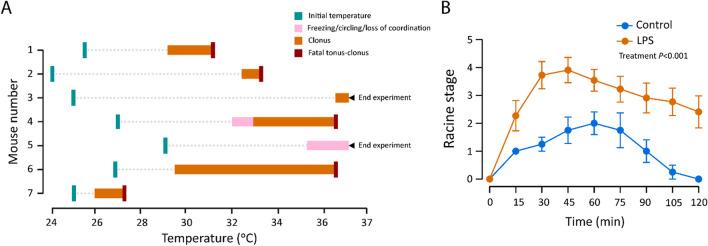
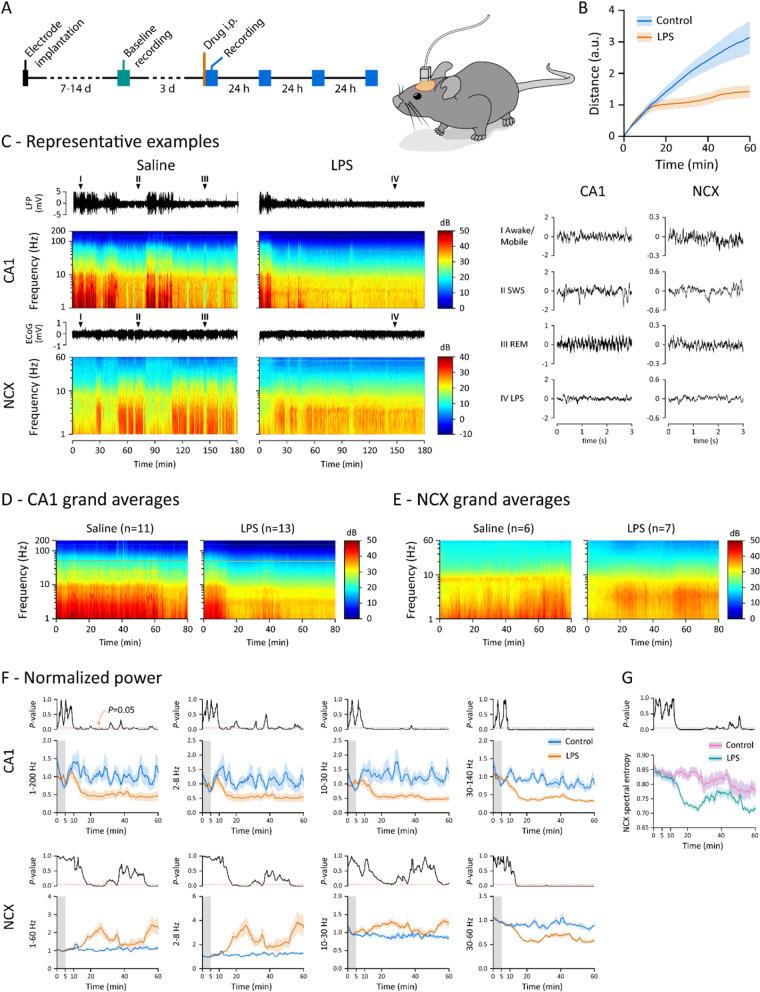
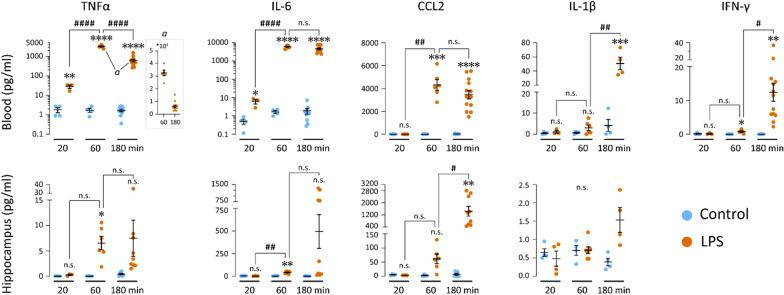
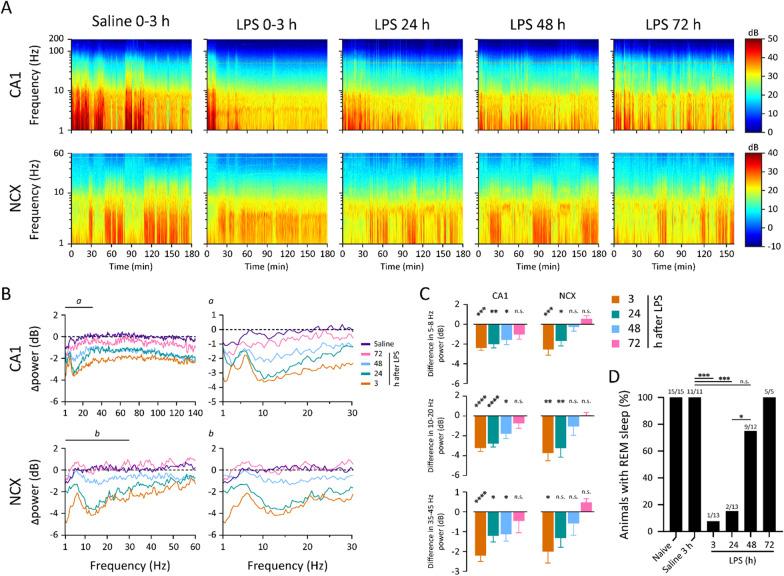
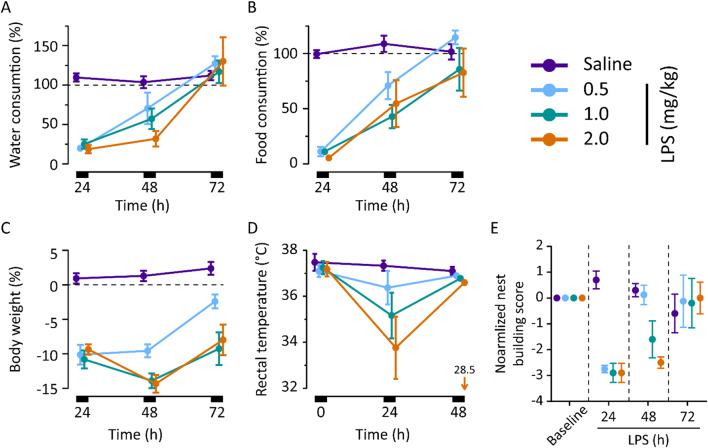
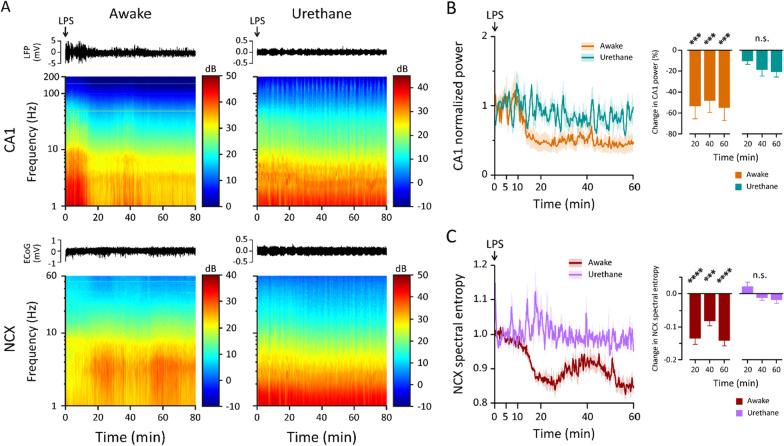
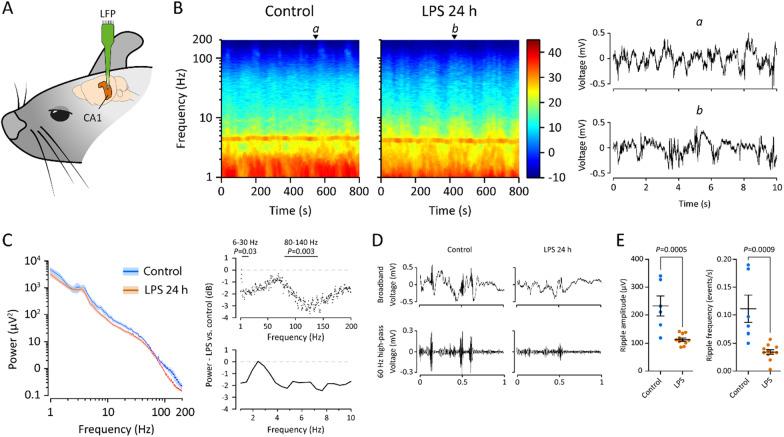
Systemic inflammation triggers protective as well as pro-inflammatory responses in the brain based on neuronal and/or cytokine signaling, and it associates with acutely and protractedly disrupted cognition. However, the multiple mechanisms underlying the peripheral-central inflammatory signaling are still not fully characterized. We used intraperitoneal (i.p.) injection of lipopolysaccharide (LPS) in freely moving mice with chronically implanted electrodes for recording of local field potentials (LFP) and electrocorticography (ECoG) in the hippocampus and neocortex, respectively. We show here that a sudden switch in the mode of network activity occurred in both areas starting at 10-15 min after the LPS injection, simultaneously with a robust change from exploration to sickness behavior. This switch in cortical mode commenced before any elevations in pro-inflammatory cytokines IL-1β, TNFα, CCL2 or IL-6 were detected in brain tissue. Thereafter, this mode dominated cortical activity for the recording period of 3 h, except for a partial and transient recovery around 40 min post-LPS. These effects were closely paralleled by changes in ECoG spectral entropy. Continuous recordings for up to 72 h showed a protracted attenuation in hippocampal activity, while neocortical activity recovered after 48 h. The acute sickness behavior recovered by 72 h post-LPS. Notably, urethane (1.3 mg/kg) administered prior to LPS blocked the early effect of LPS on cortical activity. However, experiments under urethane anesthesia which were started 24 h post-LPS (with neuroinflammation fully developed before application of urethane) showed that both theta-supratheta and fast gamma CA1 activity were reduced, DG delta activity was increased, and sharp-wave ripples were abolished. Finally, we observed that experimental compensation of inflammation-induced hypothermia 24-48 h post-LPS promoted seizures and status epilepticus; and that LPS decreased the threshold of kainate-provoked seizures beyond the duration of acute sickness behavior indicating post-acute inflammatory hyperexcitability. Taken together, the strikingly fast development and initial independence of brain cytokines of the LPS-induced cortical mode, its spectral characteristics and simultaneity in hippocampus and neocortex, as well as inhibition by pre-applied urethane, strongly suggest that the underlying mechanisms are based on activation of the afferent vagus nerve and its mainly cholinergic ascending projections to higher brain areas.
全身炎症根据神经元和/或细胞因子信号触发大脑中的保护性和促炎反应,并与急性和长期认知障碍相关。然而,外周-中枢炎症信号的多种机制仍未完全阐明。我们使用腹腔内(i.p.)注射脂多糖(LPS),在海马体和新皮层分别植入慢性电极以记录局部场电位(LFP)和脑电图(ECoG)。我们在这里展示,在 LPS 注射后 10-15 分钟,两种区域的网络活动模式突然发生切换,同时出现从探索行为到疾病行为的剧烈变化。这种皮质模式的切换发生在大脑组织中检测到促炎细胞因子 IL-1β、TNFα、CCL2 或 IL-6 升高之前。此后,这种模式主导皮质活动 3 小时,除了在 LPS 后 40 分钟左右出现部分和短暂的恢复。这些效应与 ECoG 频谱熵的变化密切平行。连续记录长达 72 小时显示海马体活动持续减弱,而新皮层活动在 48 小时后恢复。LPS 后 72 小时,急性疾病行为恢复。值得注意的是,LPS 给药前给予尿嘧啶(1.3mg/kg)可阻断 LPS 对皮质活动的早期影响。然而,在 LPS 给药前 24 小时开始的尿嘧啶麻醉实验(在应用尿嘧啶之前,神经炎症已完全发展)表明,CA1 区的θ超高频和快γ活动减少,DG 区的δ活动增加,而尖波涟漪被消除。最后,我们观察到,LPS 诱导的低温在 24-48 小时后的炎症诱导补偿促进了癫痫发作和癫痫持续状态;LPS 降低了海人藻酸诱导的癫痫发作的阈值,超过了急性疾病行为的持续时间,表明急性炎症后过度兴奋。综上所述,LPS 诱导的皮质模式的脑细胞因子的快速发展及其初始独立性、其频谱特征及其在海马体和新皮层中的同时性,以及预先应用尿嘧啶的抑制作用,强烈表明其潜在机制基于传入迷走神经及其主要胆碱能上行投射到大脑区域的激活。
 Zotero 插件