
间质干细胞衍生的细胞外囊泡在皮肤伤口愈合中的作用、机遇和挑战。
Mesenchymal stem cell-derived extracellular vesicles in skin wound healing: roles, opportunities and challenges.
机构信息
Key Laboratory of Imaging Diagnosis and Minimally Invasive Intervention Research, Institute of Imaging Diagnosis and Minimally Invasive Intervention Research, the Fifth Affiliated Hospital of Wenzhou Medical University, Zhejiang, 323000, Lishui, China.
Oujiang Laboratory (Zhejiang Lab for Regenerative Medicine, Vision and Brain Health), School of Pharmaceutical Science, Wenzhou Medical University, Wenzhou, 325035, Zhejiang, China.
出版信息
Mil Med Res. 2023 Aug 17;10(1):36. doi: 10.1186/s40779-023-00472-w.
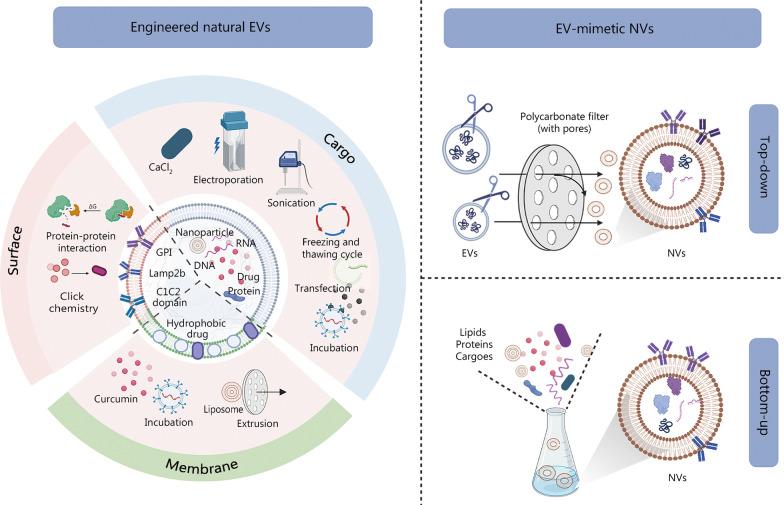
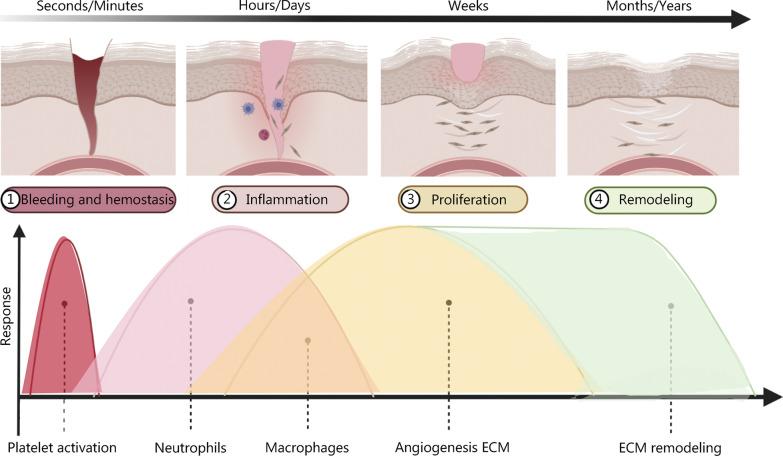
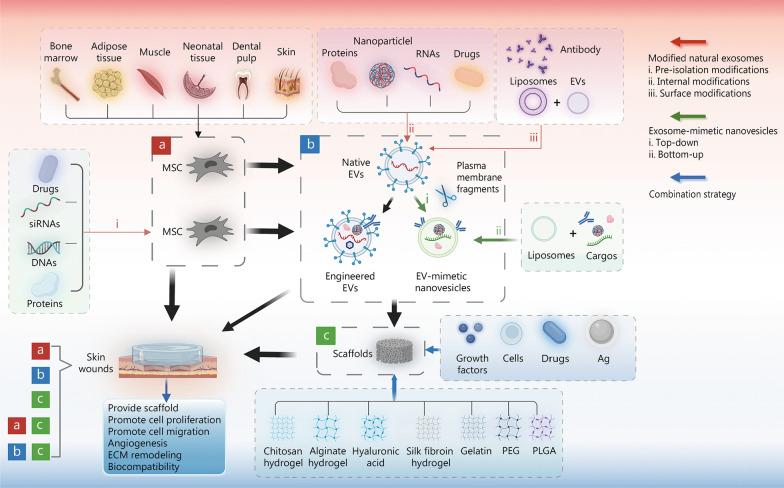
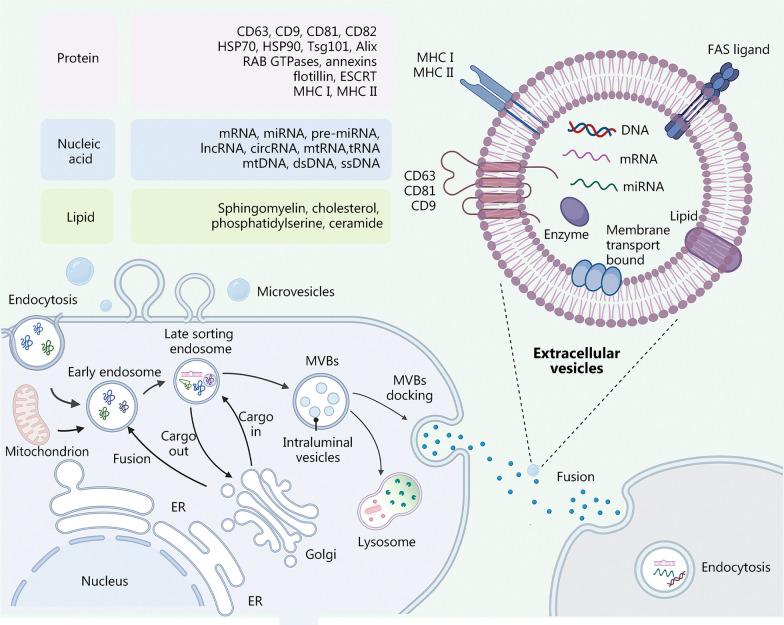
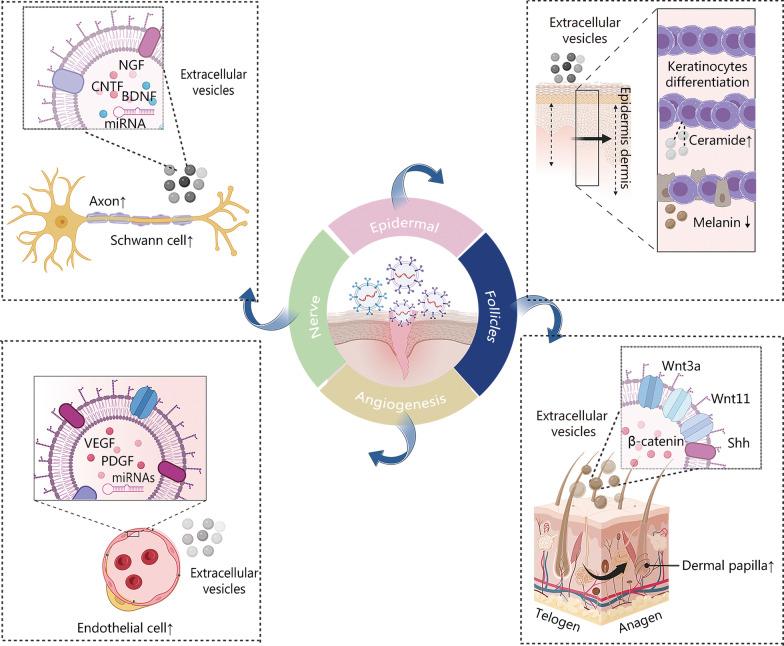
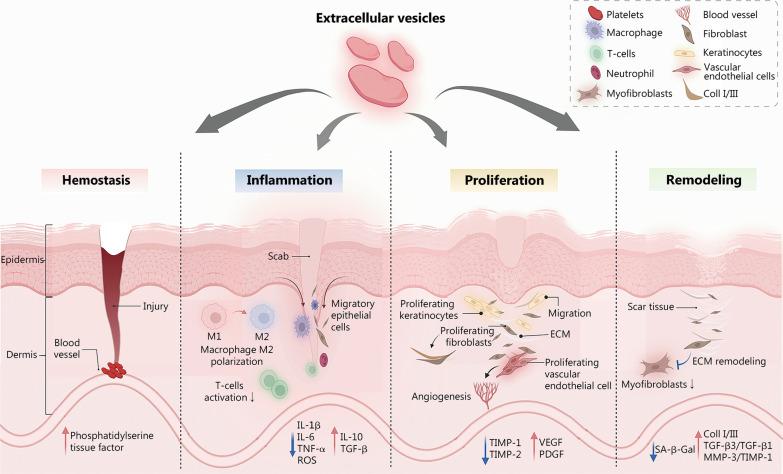
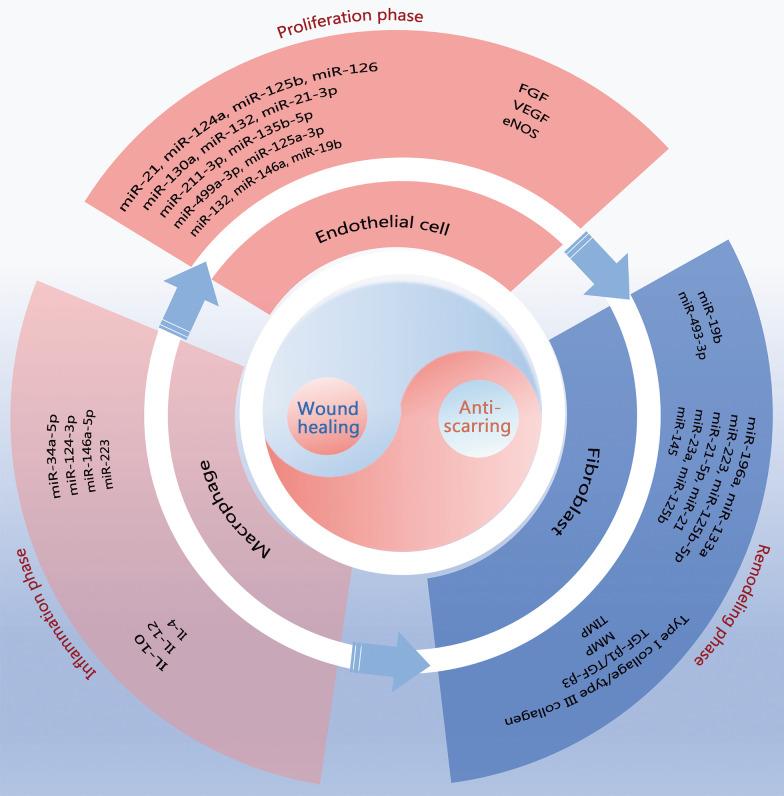
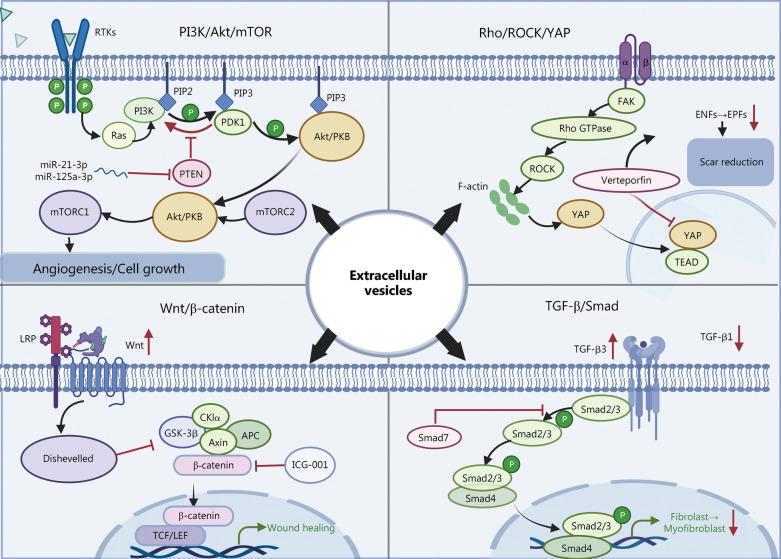
Skin wounds are characterized by injury to the skin due to trauma, tearing, cuts, or contusions. As such injuries are common to all human groups, they may at times represent a serious socioeconomic burden. Currently, increasing numbers of studies have focused on the role of mesenchymal stem cell (MSC)-derived extracellular vesicles (EVs) in skin wound repair. As a cell-free therapy, MSC-derived EVs have shown significant application potential in the field of wound repair as a more stable and safer option than conventional cell therapy. Treatment based on MSC-derived EVs can significantly promote the repair of damaged substructures, including the regeneration of vessels, nerves, and hair follicles. In addition, MSC-derived EVs can inhibit scar formation by affecting angiogenesis-related and antifibrotic pathways in promoting macrophage polarization, wound angiogenesis, cell proliferation, and cell migration, and by inhibiting excessive extracellular matrix production. Additionally, these structures can serve as a scaffold for components used in wound repair, and they can be developed into bioengineered EVs to support trauma repair. Through the formulation of standardized culture, isolation, purification, and drug delivery strategies, exploration of the detailed mechanism of EVs will allow them to be used as clinical treatments for wound repair. In conclusion, MSC-derived EVs-based therapies have important application prospects in wound repair. Here we provide a comprehensive overview of their current status, application potential, and associated drawbacks.
皮肤创伤的特征是由于创伤、撕裂、切割或挫伤而导致的皮肤损伤。由于所有人类群体都可能受到此类伤害,因此它们有时可能会造成严重的社会经济负担。目前,越来越多的研究集中在间充质干细胞(MSC)衍生的细胞外囊泡(EVs)在皮肤创伤修复中的作用。作为一种无细胞治疗方法,MSC 衍生的 EVs 在创伤修复领域显示出了显著的应用潜力,因为与传统细胞治疗相比,它更为稳定和安全。基于 MSC 衍生的 EVs 的治疗方法可以显著促进受损亚结构的修复,包括血管、神经和毛囊的再生。此外,MSC 衍生的 EVs 可以通过影响血管生成相关和抗纤维化途径来抑制瘢痕形成,促进巨噬细胞极化、伤口血管生成、细胞增殖和细胞迁移,并抑制过度的细胞外基质产生。此外,这些结构可以作为用于伤口修复的成分的支架,并且可以将其开发成生物工程 EVs 来支持创伤修复。通过制定标准化的培养、分离、纯化和药物传递策略,可以探索 EVs 的详细机制,从而将其用作创伤修复的临床治疗方法。总之,基于 MSC 衍生的 EVs 的治疗方法在伤口修复方面具有重要的应用前景。在这里,我们全面概述了它们的现状、应用潜力和相关缺陷。
 Zotero 插件