
药物再利用:一种靶向癌症干细胞和治疗抗性的新策略。
Drug repurposing: A novel strategy to target cancer stem cells and therapeutic resistance.
作者信息
Ajmeera Divya, Ajumeera Rajanna
机构信息
Cell Biology Department, ICMR-National Institute of Nutrition (NIN), Hyderabad, Telangana 500007, India.
出版信息
Genes Dis. 2023 Jan 20;11(1):148-175. doi: 10.1016/j.gendis.2022.12.013. eCollection 2024 Jan.
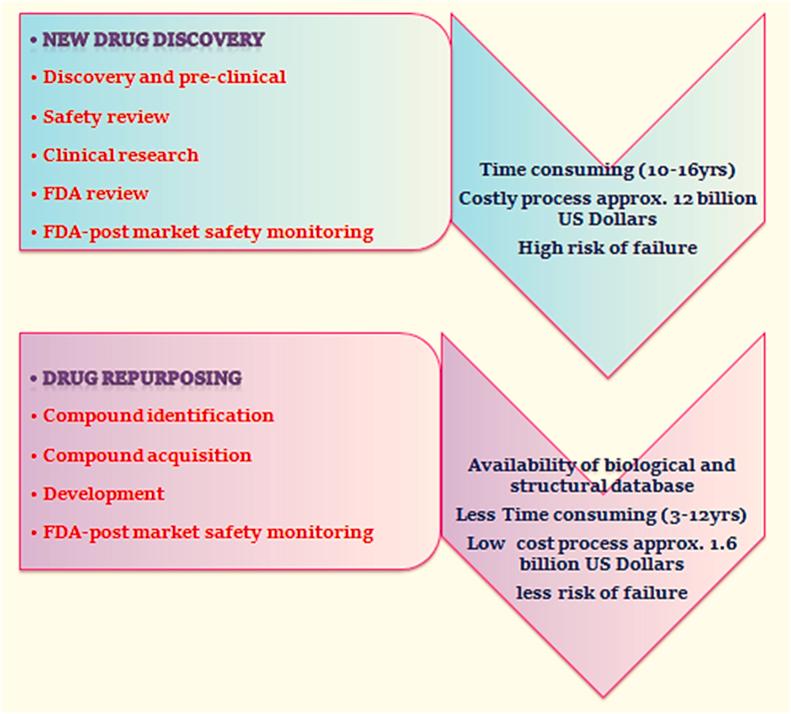
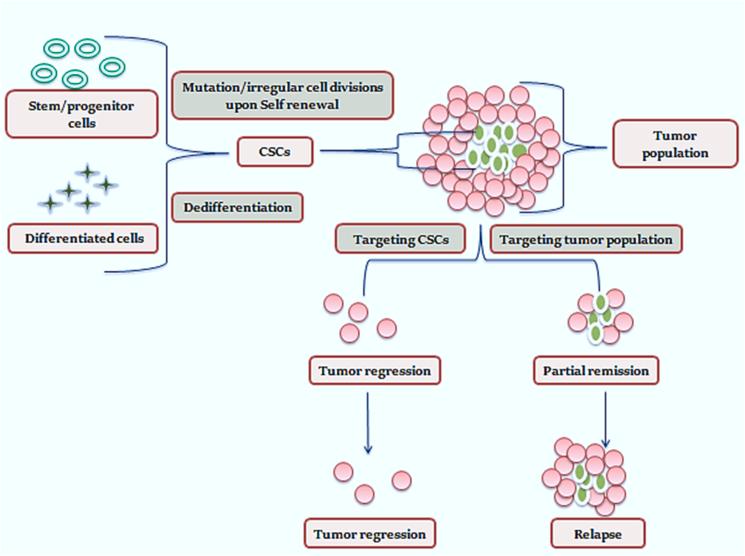
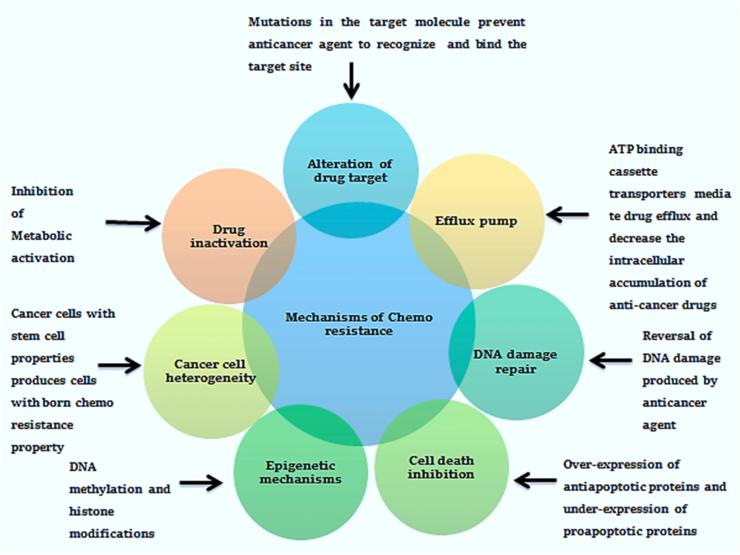
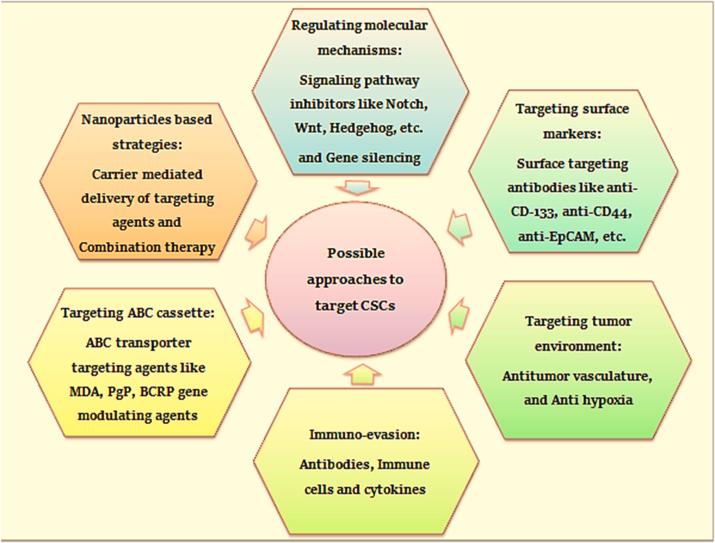
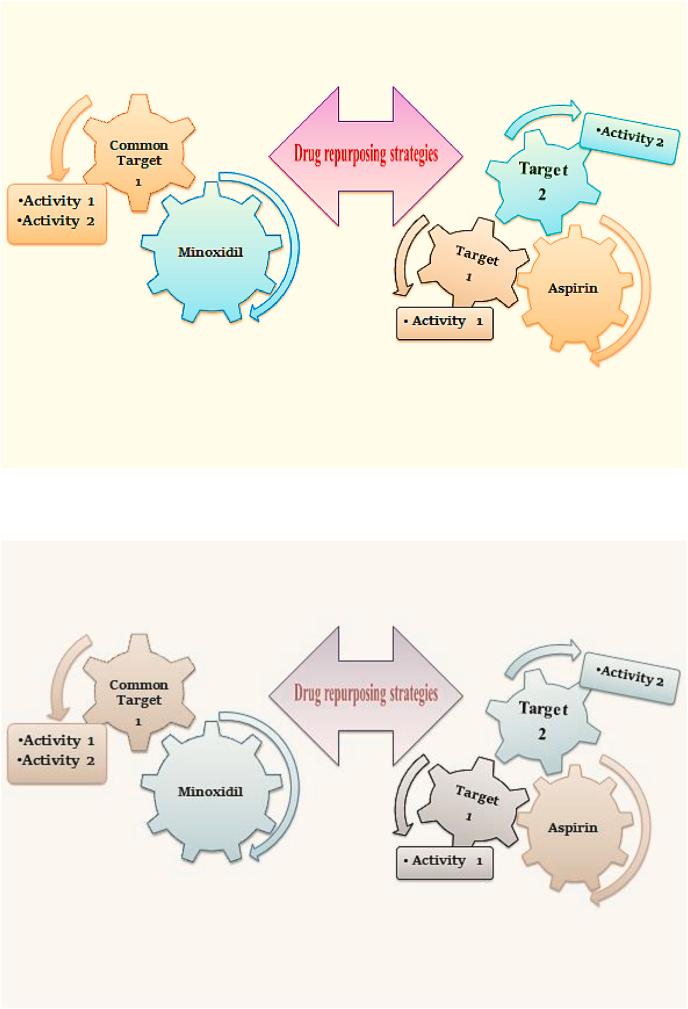
Chemotherapy is an effortless and frequently used approach in cancer therapy. However, in most cases, it can only prolong life expectancy and does not guarantee a complete cure. Furthermore, chemotherapy is associated with severe adverse effects, one of the major complications of effective cancer therapy. In addition, newly published research outputs show that cancer stem cells are involved in cancer disease progression, drug resistance, metastasis, and recurrence and that they are functional in the trans-differentiation capacity of cancer stem cells to cancer cells in response to treatments. Novel strategies are therefore required for better management of cancer therapy. The prime approach would be to synthesize and develop novel drugs that need extensive resources, time, and endurance to be brought into therapeutic use. The subsequent approach would be to screen the anti-cancer activity of available non-cancerous drugs. This concept of repurposing non-cancer drugs as an alternative to current cancer therapy has become popular in recent years because using existing anticancer drugs has several adverse effects. Micronutrients have also been investigated for cancer therapy due to their significant anti-cancer effects with negligible or no side effects and availability in food sources. In this paper, we discuss an ideal hypothesis for screening available non-cancerous drugs with anticancer activity, with a focus on cancer stem cells and their clinical application for cancer treatment. Further, drug repurposing and the combination of micronutrients that can target both cancers and cancer stem cells may result in a better therapeutic approach leading to maximum tumor growth control.
化疗是癌症治疗中一种简便且常用的方法。然而,在大多数情况下,它只能延长预期寿命,并不能保证完全治愈。此外,化疗会带来严重的副作用,这是有效癌症治疗的主要并发症之一。另外,新发表的研究成果表明,癌症干细胞参与癌症疾病进展、耐药性、转移和复发,并且它们在癌症干细胞对治疗产生反应时向癌细胞的转分化能力中发挥作用。因此,需要新的策略来更好地管理癌症治疗。首要方法是合成和开发新型药物,这需要大量资源、时间和耐心才能投入治疗使用。后续方法是筛选现有非癌症药物的抗癌活性。将非癌症药物重新用于替代当前癌症治疗的这一概念近年来已变得流行,因为使用现有的抗癌药物有多种副作用。由于其显著的抗癌作用且副作用可忽略不计或没有副作用,并且在食物来源中可获取,微量营养素也已被研究用于癌症治疗。在本文中,我们讨论一种筛选具有抗癌活性的现有非癌症药物的理想假设,重点关注癌症干细胞及其在癌症治疗中的临床应用。此外,药物重新利用以及可靶向癌症和癌症干细胞的微量营养素组合可能会产生一种更好的治疗方法,从而实现对肿瘤生长的最大控制。



 Zotero 插件