
氧化应激及其在糖尿病视网膜病变中的调节
Oxidative Stress and Its Regulation in Diabetic Retinopathy.
作者信息
Haydinger Cameron D, Oliver Genevieve F, Ashander Liam M, Smith Justine R
机构信息
College of Medicine and Public Health, Flinders University, Adelaide, SA 5042, Australia.
出版信息
Antioxidants (Basel). 2023 Aug 21;12(8):1649. doi: 10.3390/antiox12081649.
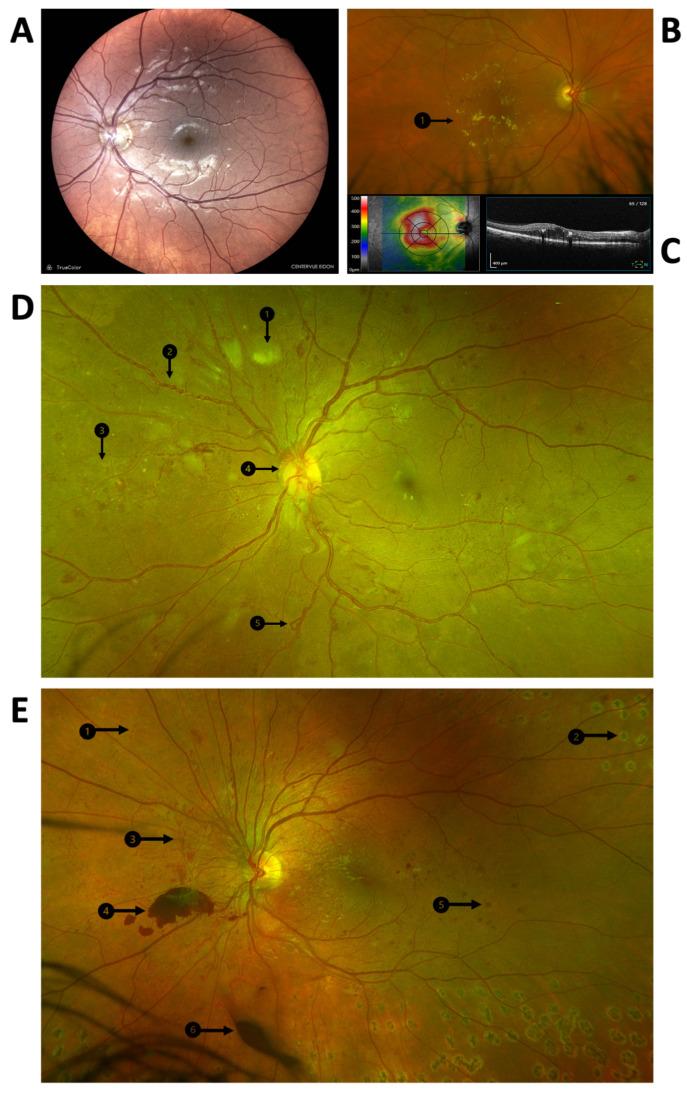
Diabetic retinopathy is the retinal disease associated with hyperglycemia in patients who suffer from type 1 or type 2 diabetes. It includes maculopathy, involving the central retina and characterized by ischemia and/or edema, and peripheral retinopathy that progresses to a proliferative stage with neovascularization. Approximately 10% of the global population is estimated to suffer from diabetes, and around one in 5 of these individuals have diabetic retinopathy. One of the major effects of hyperglycemia is oxidative stress, the pathological state in which elevated production of reactive oxygen species damages tissues, cells, and macromolecules. The retina is relatively prone to oxidative stress due to its high metabolic activity. This review provides a summary of the role of oxidative stress in diabetic retinopathy, including a description of the retinal cell players and the molecular mechanisms. It discusses pathological processes, including the formation and effects of advanced glycation end-products, the impact of metabolic memory, and involvements of non-coding RNA. The opportunities for the therapeutic blockade of oxidative stress in diabetic retinopathy are also considered.
糖尿病视网膜病变是1型或2型糖尿病患者中与高血糖相关的视网膜疾病。它包括黄斑病变,累及视网膜中央,其特征为缺血和/或水肿,以及进展为伴有新生血管形成的增殖期的周边视网膜病变。据估计,全球约10%的人口患有糖尿病,其中约五分之一的个体患有糖尿病视网膜病变。高血糖的主要影响之一是氧化应激,即活性氧产生增加导致组织、细胞和大分子受损的病理状态。视网膜因其高代谢活性而相对容易受到氧化应激的影响。本综述总结了氧化应激在糖尿病视网膜病变中的作用,包括对视网膜细胞参与者和分子机制的描述。它讨论了病理过程,包括晚期糖基化终产物的形成和影响、代谢记忆的影响以及非编码RNA的参与。还考虑了在糖尿病视网膜病变中治疗性阻断氧化应激的机会。
 Zotero 插件