
新型心音听诊系统,可从不同部位检测心跳。
Novel phonocardiography system for heartbeat detection from various locations.
机构信息
Department of Cybernetics and Biomedical Engineering, Faculty of Electrical Engineering and Computer Science, VSB-Technical University of Ostrava, 17. listopadu, 708 00, Ostrava, Czechia.
出版信息
Sci Rep. 2023 Sep 1;13(1):14392. doi: 10.1038/s41598-023-41102-8.
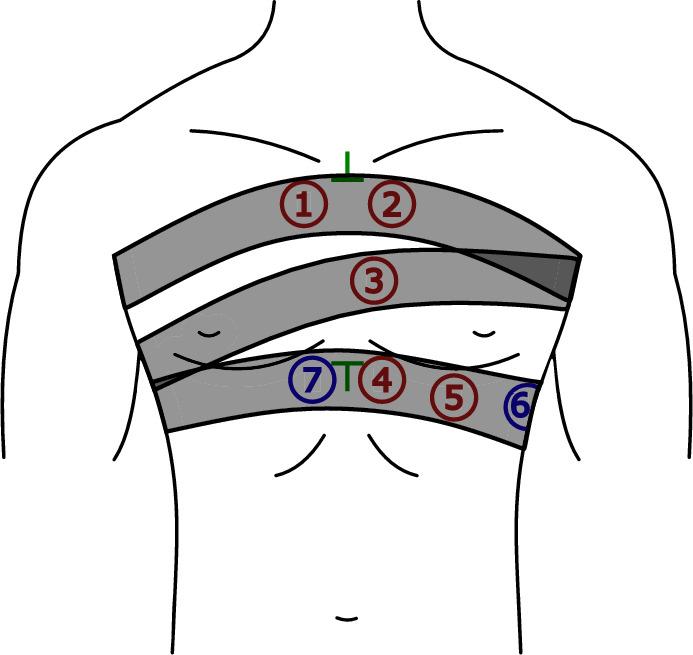
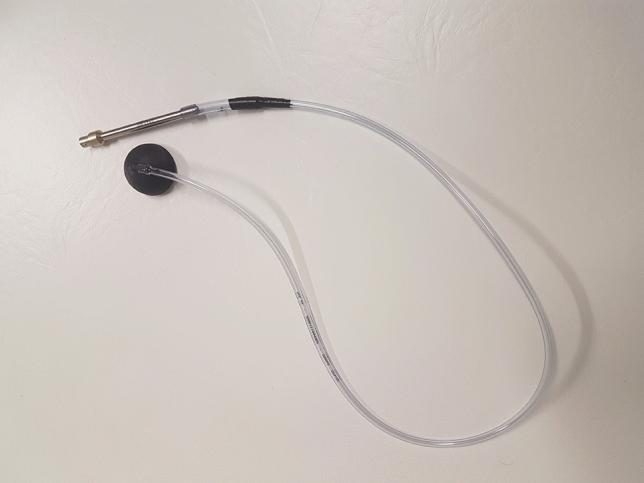
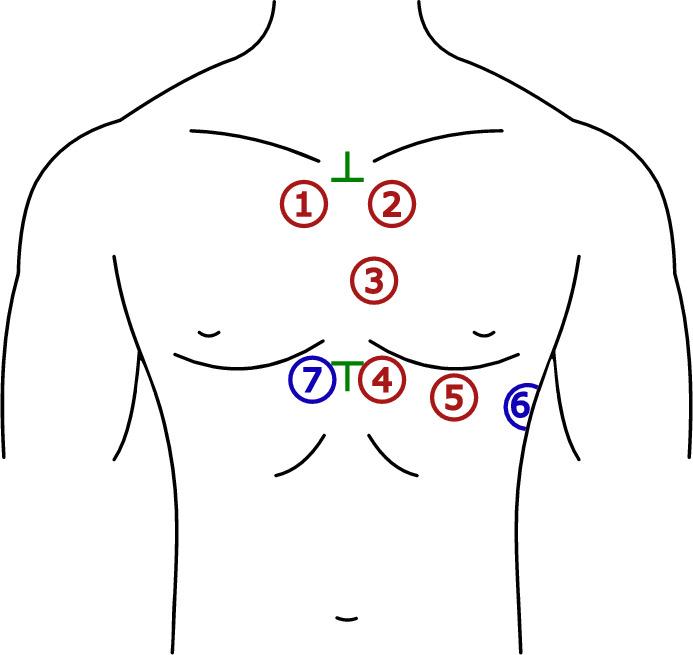
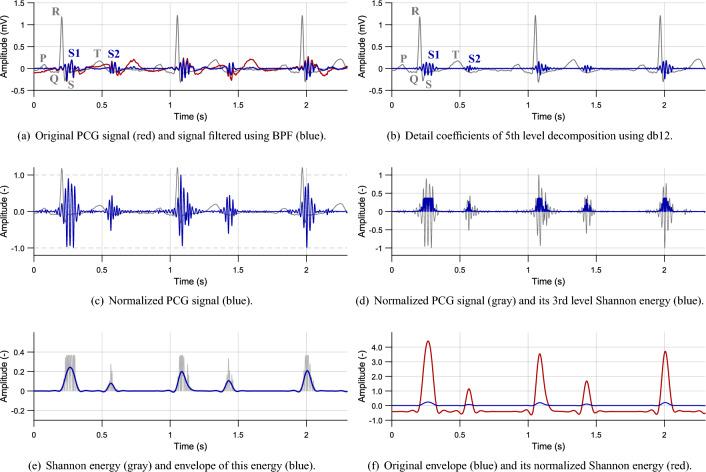
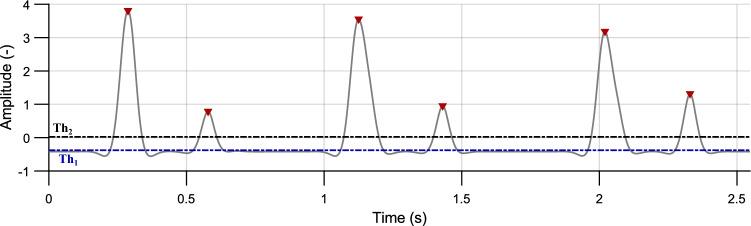
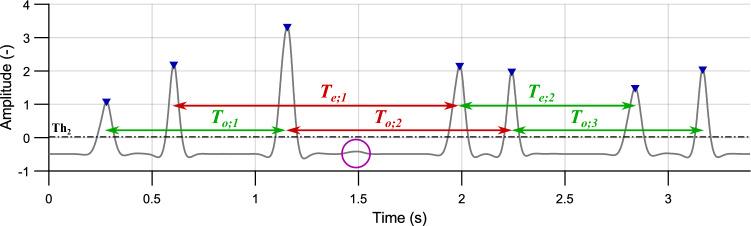
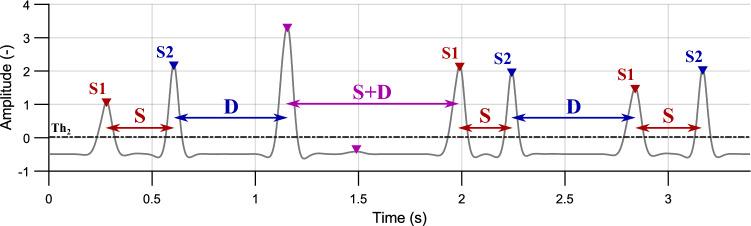
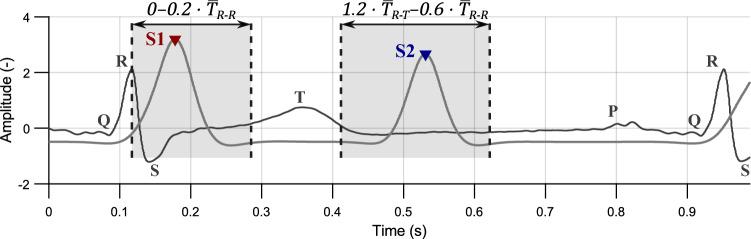
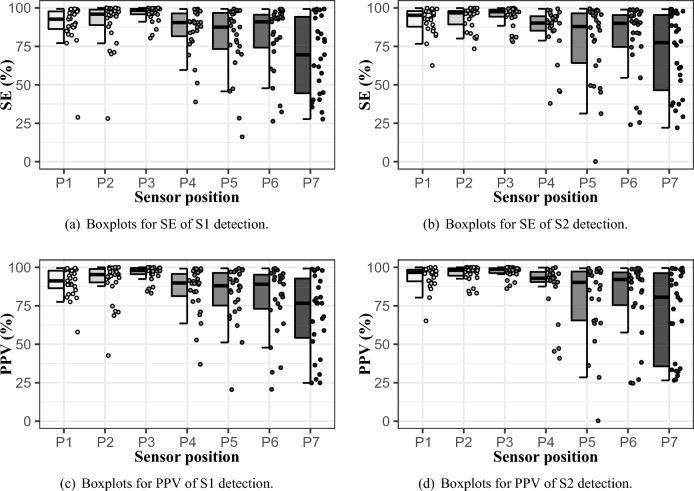
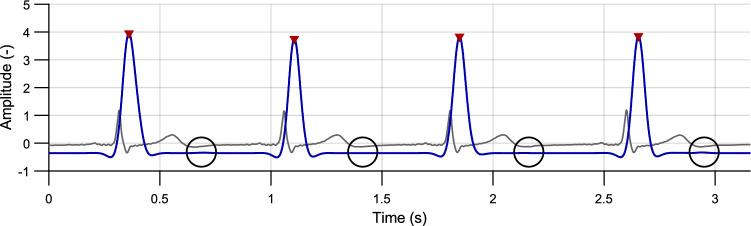
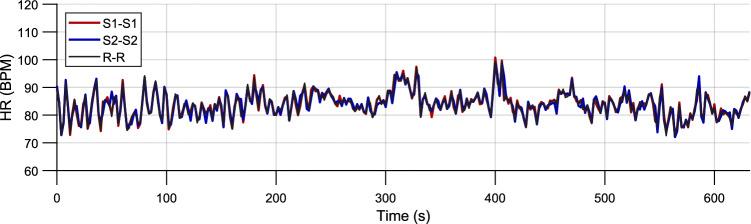
The paper presents evaluation of the proposed phonocardiography (PCG) measurement system designed primarily for heartbeat detection to estimate heart rate (HR). Typically, HR estimation is performed using electrocardiography (ECG) or pulse wave as one of the fundamental diagnostic methodologies for assessing cardiac function. The system includes novel both sensory part and data processing procedure, which is based on signal preprocessing using Wavelet Transform (WT) and Shannon energy computation and heart sounds classification using K-means. Due to the lack of standardization in the placement of PCG sensors, the study focuses on evaluating the signal quality obtained from 7 different sensor locations on the subject's chest and investigates which locations are most suitable for recording heart sounds. The suitability of sensor localization was examined in 27 subjects by detecting the first two heart sounds (S1, S2). The HR detection sensitivity related to reference ECG from all sensor positions reached values over 88.9 and 77.4% in detection of S1 and S2, respectively. The placement in the middle of sternum showed the higher signal quality with median of the proper S1 and S2 detection sensitivity of 98.5 and 97.5%, respectively.
本文提出了一种基于心音(PCG)测量系统的评估,该系统主要用于心跳检测以估计心率(HR)。通常,HR 估计是使用心电图(ECG)或脉搏波作为评估心脏功能的基本诊断方法之一来进行的。该系统包括新颖的传感部分和数据处理程序,该程序基于使用小波变换(WT)进行信号预处理以及使用 K-均值进行心音分类和香农能量计算。由于心音传感器的放置缺乏标准化,因此该研究侧重于评估从受试者胸部的 7 个不同传感器位置获得的信号质量,并研究哪些位置最适合记录心音。通过检测第一和第二心音(S1、S2),在 27 名受试者中检查了传感器定位的适用性。来自所有传感器位置的参考 ECG 的 HR 检测灵敏度与 S1 和 S2 的检测灵敏度分别达到 88.9%和 77.4%以上。胸骨中部的放置显示出更高的信号质量,适当的 S1 和 S2 检测灵敏度的中位数分别为 98.5%和 97.5%。



 Zotero 插件