
溶血、黄疸和脂血会干扰犬血清中两种氧化应激生物标志物的测定。
Hemolysis, icterus and lipemia interfere with the determination of two oxidative stress biomarkers in canine serum.
机构信息
Clinical Pathology Service, Veterinary Teaching Hospital, Complutense University, Madrid, Spain.
Animal Medicine and Surgery Department, Faculty of Veterinary Medicine, Complutense University, Madrid, Spain.
出版信息
BMC Vet Res. 2023 Sep 23;19(1):172. doi: 10.1186/s12917-023-03740-y.
BACKGROUND
Oxidative stress has been proven to play a role in numerous human and canine diseases. Among the biomarkers of oxidative stress, Thiobarbituric Acid Reactive Substances (TBARS) and Total Antioxidant Status (TAS) are two of the most widely used. Preanalytical factors are crucial for obtaining accurate results in these assays. Hemolysis, icterus and lipemia (HIL) are common sources of preanalytical errors in the laboratory; however, limited information is available regarding the considerations for canine specimens. Therefore, the objective of this study was to evaluate the potential interferences of HIL in the determination of TBARS and TAS in canine serum.
METHODS
Solutions of pooled canine serum samples were prepared by adding increasing concentrations of hemolysate, bilirubin and a synthetic lipid emulsion. TBARS and TAS were determined, and biases from the control value caused by the interfering substances were calculated.
RESULTS
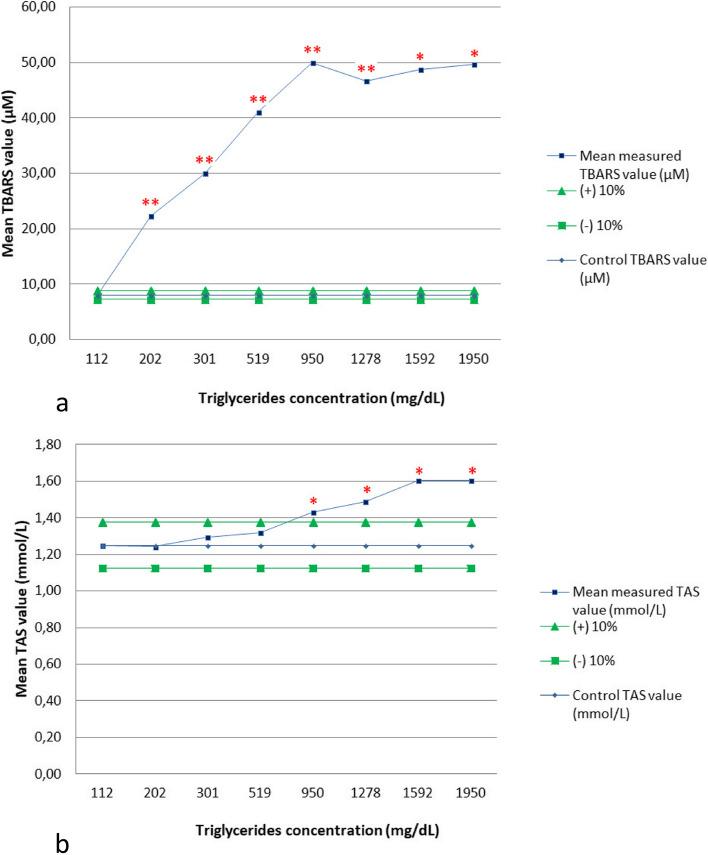
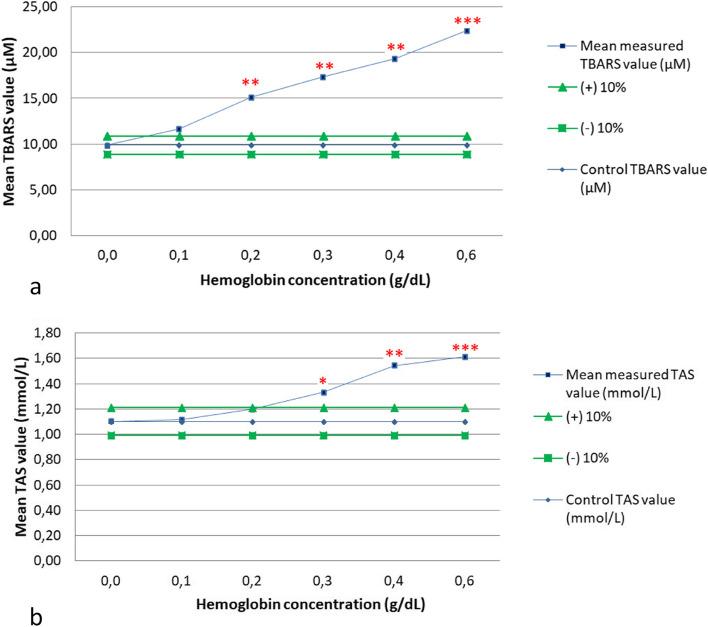
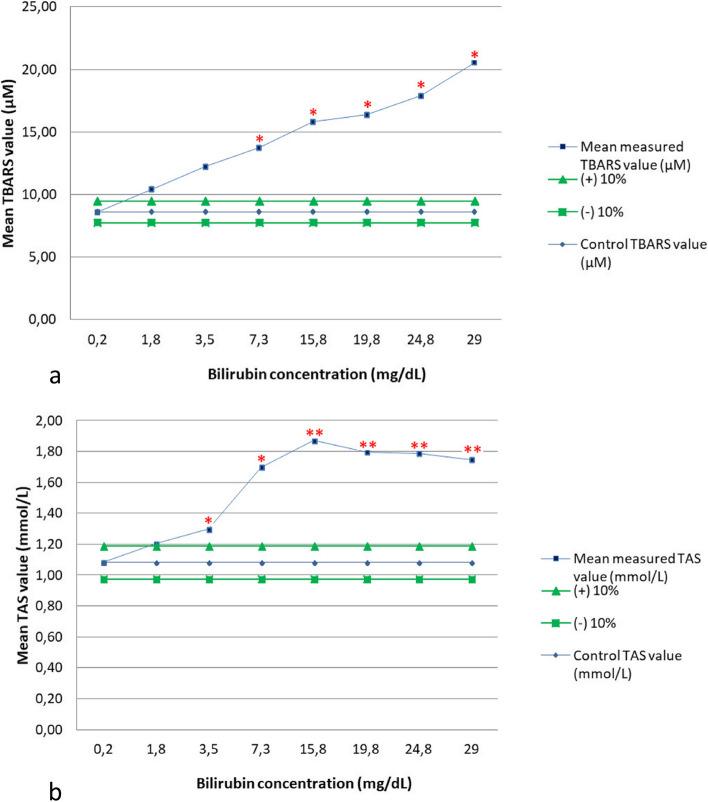
Hemolysis, icterus and lipemia induced significant interferences on TBARS and TAS, albeit to varying degrees depending on the specific biomarker and interfering substance. TBARS appeared to be more susceptible to interferences in this study. Slight hemolysis, moderate icterus and slight lipemia caused notable deviations in TBARS values, surpassing the acceptable threshold for interference. TAS assay was also affected by HIL, although to a lesser extent compared to TBARS. Significant biases from TAS control value were observed when icterus was moderate, and when hemolysis and lipemia were more pronounced.
CONCLUSIONS
In light of our results, we conclude that hemolyzed, icteric and lipemic specimens are not suitable for TBARS and TAS determination in canine serum. Our findings hold considerable practical utility, as a simple visual inspection would be sufficient for identifying and excluding such specimens.
背景
氧化应激已被证明在许多人类和犬类疾病中发挥作用。在氧化应激的生物标志物中,硫代巴比妥酸反应物质(TBARS)和总抗氧化状态(TAS)是应用最广泛的两种。在这些检测中,获得准确结果的关键是分析前因素。溶血、黄疸和脂血(HIL)是实验室中常见的分析前误差来源;然而,关于犬标本的考虑因素的信息有限。因此,本研究的目的是评估 HIL 对犬血清中 TBARS 和 TAS 测定的潜在干扰。
方法
通过向混合犬血清样本溶液中加入逐渐增加浓度的溶血物、胆红素和合成脂质乳剂来制备解决方案。测定 TBARS 和 TAS,并计算干扰物质对对照值的偏差。
结果
溶血、黄疸和脂血对 TBARS 和 TAS 均产生显著干扰,但具体生物标志物和干扰物质的程度不同。在本研究中,TBARS 似乎更容易受到干扰。轻度溶血、中度黄疸和轻度脂血导致 TBARS 值明显偏离,超过了干扰的可接受阈值。尽管与 TBARS 相比,TAS 测定受到 HIL 的影响较小,但仍受到影响。当黄疸中度时,以及当溶血和脂血更明显时,TAS 对照值出现显著偏差。
结论
根据我们的结果,我们得出结论,溶血、黄疸和脂血的标本不适合用于犬血清中 TBARS 和 TAS 的测定。我们的发现具有相当大的实际应用价值,因为简单的目视检查足以识别和排除此类标本。
 Zotero 插件