
艰难梭菌感染治疗中生物膜形成、毒素产生及传统抗生素替代方案
Biofilm Formation of , Toxin Production and Alternatives to Conventional Antibiotics in the Treatment of CDI.
作者信息
Dicks Leon M T
机构信息
Department of Microbiology, Stellenbosch University, Stellenbosch 7600, South Africa.
出版信息
Microorganisms. 2023 Aug 26;11(9):2161. doi: 10.3390/microorganisms11092161.
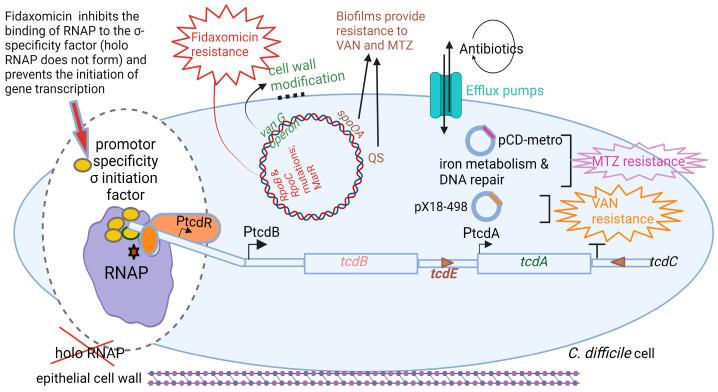
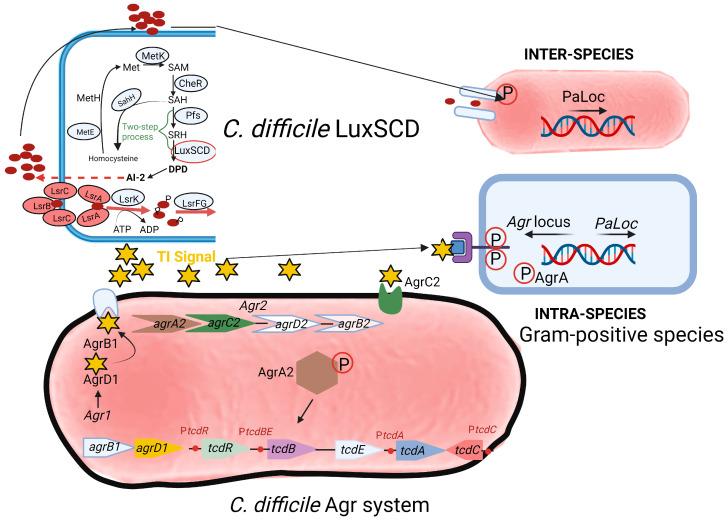
is considered a nosocomial pathogen that flares up in patients exposed to antibiotic treatment. However, four out of ten patients diagnosed with infection (CDI) acquired the infection from non-hospitalized individuals, many of whom have not been treated with antibiotics. Treatment of recurrent CDI (rCDI) with antibiotics, especially vancomycin (VAN) and metronidazole (MNZ), increases the risk of experiencing a relapse by as much as 70%. Fidaxomicin, on the other hand, proved more effective than VAN and MNZ by preventing the initial transcription of RNA toxin genes. Alternative forms of treatment include quorum quenching (QQ) that blocks toxin synthesis, binding of small anion molecules such as tolevamer to toxins, monoclonal antibodies, such as bezlotoxumab and actoxumab, bacteriophage therapy, probiotics, and fecal microbial transplants (FMTs). This review summarizes factors that affect the colonization of and the pathogenicity of toxins TcdA and TcdB. The different approaches experimented with in the destruction of and treatment of CDI are evaluated.
被认为是一种在接受抗生素治疗的患者中突然发作的医院病原体。然而,每十名被诊断为感染(CDI)的患者中有四名是从非住院个体那里获得感染的,其中许多人并未接受过抗生素治疗。用抗生素,尤其是万古霉素(VAN)和甲硝唑(MNZ)治疗复发性CDI(rCDI),会使复发风险增加多达70%。另一方面,非达霉素通过阻止RNA毒素基因的初始转录,被证明比VAN和MNZ更有效。替代治疗形式包括群体感应淬灭(QQ),它可阻断毒素合成;小阴离子分子如托利霉素与毒素的结合;单克隆抗体,如贝佐妥单抗和阿妥珠单抗;噬菌体疗法、益生菌和粪便微生物移植(FMT)。本综述总结了影响定植以及毒素TcdA和TcdB致病性的因素。对在消灭和治疗CDI中所试验的不同方法进行了评估。


 Zotero 插件