
神经元型一氧化氮合酶与中枢神经系统疾病发展中的翻译后修饰:影响与调控
Neuronal Nitric Oxide Synthase and Post-Translational Modifications in the Development of Central Nervous System Diseases: Implications and Regulation.
作者信息
Maccallini Cristina, Amoroso Rosa
机构信息
Department of Pharmacy, University "G. d'Annunzio" of Chieti-Pescara, Via dei Vestini 31, 66100 Chieti, Italy.
出版信息
Molecules. 2023 Sep 19;28(18):6691. doi: 10.3390/molecules28186691.
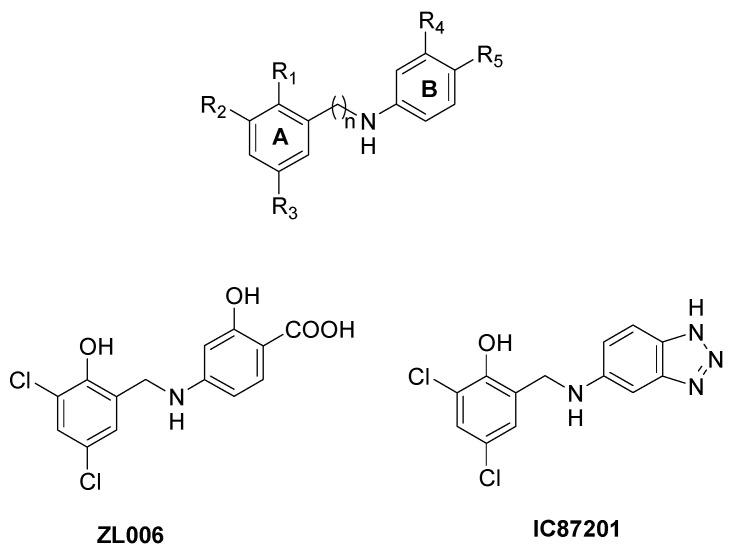
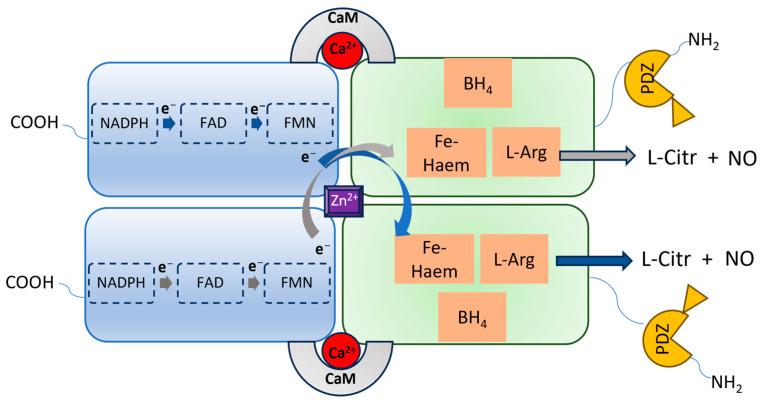
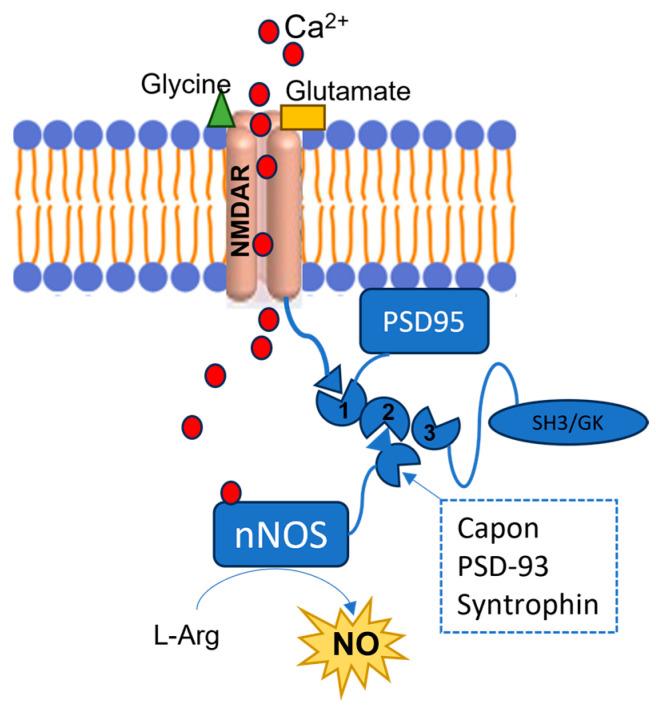
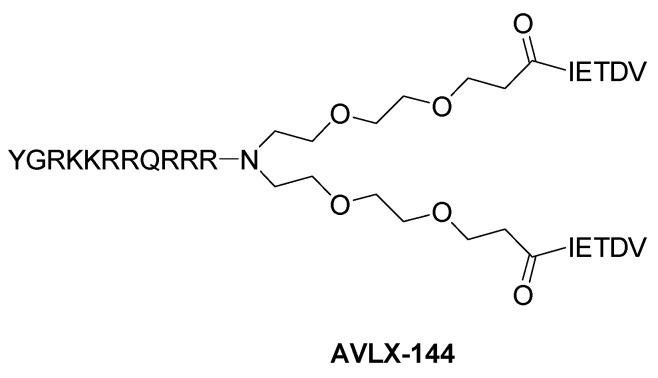
In the Central Nervous System (CNS), Nitric Oxide (NO) is mainly biosynthesized by neuronal Nitric Oxide Synthase (nNOS). The dysregulated activation of nNOS in neurons is critical in the development of different conditions affecting the CNS. The excessive production of NO by nNOS is responsible for a number of proteins' post-translational modifications (PTMs), which can lead to aberrant biochemical pathways, impairing CNS functions. In this review, we briefly revise the main implications of dysregulated nNOS in the progression of the most prevalent CNS neurodegenerative disorders, i.e., Alzheimer's disease (AD) and Parkinson's disease, as well as in the development of neuronal disorders. Moreover, a specific focus on compounds able to modulate nNOS activity as promising therapeutics to tackle different neuronal diseases is presented.
在中枢神经系统(CNS)中,一氧化氮(NO)主要由神经元型一氧化氮合酶(nNOS)生物合成。神经元中nNOS的失调激活在影响中枢神经系统的不同病症的发展中至关重要。nNOS产生的过量NO导致多种蛋白质的翻译后修饰(PTM),这可能导致异常的生化途径,损害中枢神经系统功能。在本综述中,我们简要回顾了nNOS失调在最常见的中枢神经系统神经退行性疾病(即阿尔茨海默病(AD)和帕金森病)进展中的主要影响,以及在神经元疾病发展中的影响。此外,还特别关注了能够调节nNOS活性的化合物,这些化合物有望成为治疗不同神经元疾病的疗法。



 Zotero 插件