
用于增强针对新冠病毒核衣壳CTD的抗病毒活性的卟啉衍生碳点
Porphyrin-derived carbon dots for an enhanced antiviral activity targeting the CTD of SARS-CoV-2 nucleocapsid.
作者信息
Fibriani Azzania, Taharuddin Audrey Angelina Putri, Yamahoki Nicholas, Stephanie Rebecca, Laurelia Jessica, Agustiyanti Dian Fitria, Wisnuwardhani Popi Hadi, Angelina Marissa, Rubiyana Yana, Ningrum Ratih Asmana, Wardiana Andri, Desriani Desriani, Iskandar Ferry, Permatasari Fitri Aulia, Giri-Rachman Ernawati Arifin
机构信息
School of Life Sciences and Technology, Institut Teknologi Bandung, Bandung, 40132, Indonesia.
Research Center for Nanoscience and Nanotechnology, Institut Teknologi Bandung, Bandung, 40132, Indonesia.
出版信息
J Genet Eng Biotechnol. 2023 Oct 6;21(1):93. doi: 10.1186/s43141-023-00548-z.
BACKGROUND
Since effective antiviral drugs for COVID-19 are still limited in number, the exploration of compounds that have antiviral activity against SARS-CoV-2 is in high demand. Porphyrin is potentially developed as a COVID-19 antiviral drug. However, its low solubility in water restricts its clinical application. Reconstruction of porphyrin into carbon dots is expected to possess better solubility and bioavailability as well as lower biotoxicity.
METHODS AND RESULTS
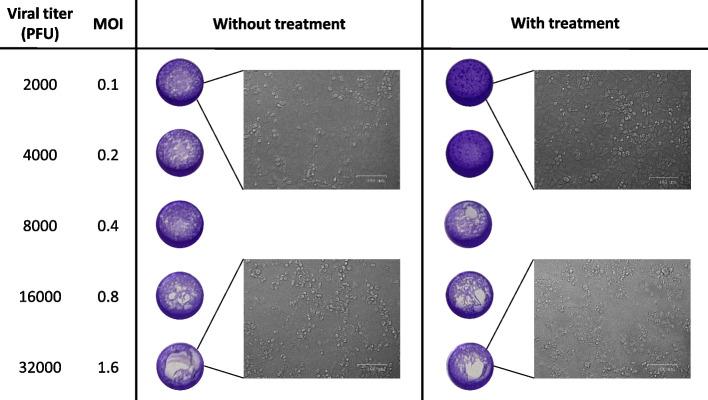
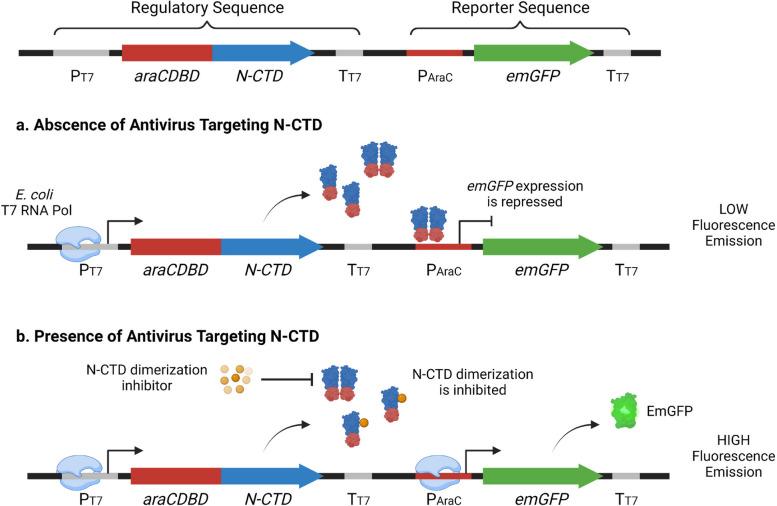
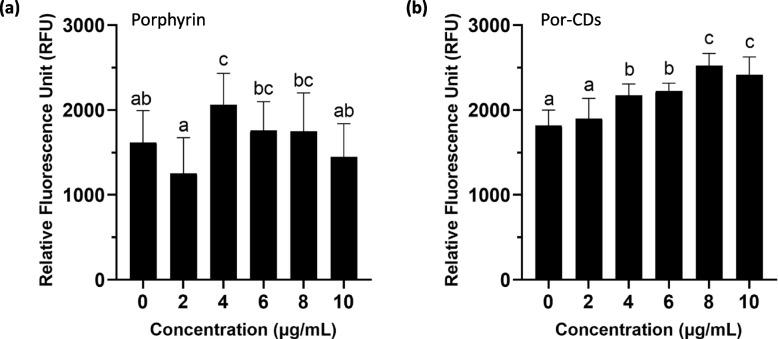
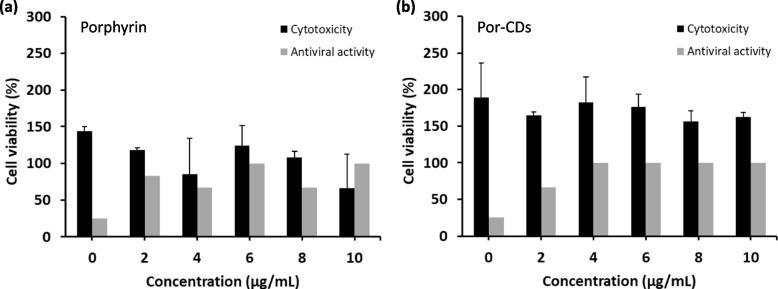
In this study, we investigated the antiviral activity of porphyrin and porphyrin-derived carbon dots against SARS-CoV-2. Through the in silico analysis and assessment using a novel drug screening platform, namely dimer-based screening system, we demonstrated the capability of the antivirus candidates in inhibiting the dimerization of the C-terminal domain of SARS-CoV-2 Nucleocapsid. It was shown that porphyrin-derived carbon dots possessed lower cytotoxicity on Vero E6 cells than porphyrin. Furthermore, we also assessed their antiviral activity on the SARS-CoV-2-infected Vero E6 cells. The transformation of porphyrin into carbon dots substantially augmented its performance in disrupting SARS-CoV-2 propagation in vitro.
CONCLUSIONS
Therefore, this study comprehensively demonstrated the potential of porphyrin-derived carbon dots to be developed further as a promisingly safe and effective COVID-19 antiviral drug.
背景
由于针对新型冠状病毒肺炎(COVID-19)的有效抗病毒药物数量仍然有限,因此对具有抗严重急性呼吸综合征冠状病毒2(SARS-CoV-2)活性的化合物的探索需求很高。卟啉有潜力被开发为一种COVID-19抗病毒药物。然而,其在水中的低溶解度限制了其临床应用。将卟啉重构为碳点有望具有更好的溶解度、生物利用度以及更低的生物毒性。
方法与结果
在本研究中,我们研究了卟啉及其衍生的碳点对SARS-CoV-2的抗病毒活性。通过使用一种新型药物筛选平台,即基于二聚体的筛选系统进行计算机模拟分析和评估,我们证明了候选抗病毒药物抑制SARS-CoV-2核衣壳C端结构域二聚化的能力。结果表明,卟啉衍生的碳点对Vero E6细胞的细胞毒性低于卟啉。此外,我们还评估了它们对感染SARS-CoV-2的Vero E6细胞的抗病毒活性。卟啉向碳点的转化显著增强了其在体外破坏SARS-CoV-2传播的性能。
结论
因此,本研究全面证明了卟啉衍生的碳点作为一种有前景的安全有效的COVID-19抗病毒药物进一步开发的潜力。

 Zotero 插件